
Pruning
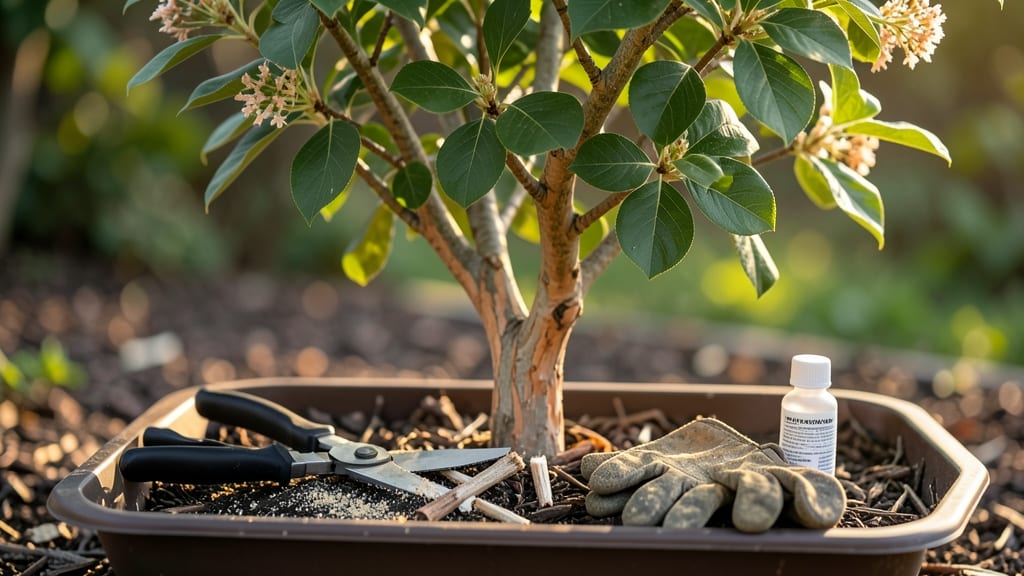
Pruning crepe myrtles in late winter reveals their true potential. ✨ I’ve seen these bushes go from scraggly to showstopping in just one season—when you cut at the right time and in the right way.
The key? Timing it right and avoiding the dreaded "crepe murder" look that turns your yard into a botanical crime scene.
You’ll need sharp pruners, gloves, and a clear day to work—crepe myrtles respond best to clean cuts made when they’re dormant. The goal is to shape the bush while encouraging strong new growth for next year’s boldest blooms.
Think of it like giving your plant a fresh start before spring kicks in.
After pruning, you’ll end up with a bush that’s fuller, healthier, and ready to burst with vibrant flowers. The branches will be more evenly spaced, and the plant will focus its energy on producing stunning blooms instead of struggling with overgrowth.
It’s the difference between a bush that fades into the background and one that becomes the star of your landscape.
This method works for both young and mature crepe myrtles, and the results last all season long. Once you’ve mastered the technique, you’ll never look at these bushes the same way again—just wait until you see them in full bloom!
📚 In This Guide
- What you need
- Instructions
- Tips and common mistakes
- Wrapping up and next steps
What you need
- ● Pruning shears – Bypass pruners (sharp, 6–8" blades) for clean cuts on small branches. Quantity: 1 pair.
- ● Loppers – Bypass or anvil type (8–12" blades) for thicker branches (½–1.5" diameter). Quantity: 1 pair.
- ● Pruning saw – Curved-tooth or folding saw for branches >1.5" in diameter. Quantity: 1.
- ● Gloves – Heavy-duty, cut-resistant (e.g., leather or Kevlar) to protect from thorns and debris. Quantity: 1 pair.
- ● Disinfectant – 70% isopropyl alcohol or diluted bleach solution (1 part bleach to 9 parts water) to sterilize tools between cuts. Quantity: Small spray bottle or wipe.
- ● Ladder – Sturdy, extendable (12–16 ft) if your bush exceeds 6 ft tall. Quantity: 1 (safety first—secure it to the tree!).
- ● Heavy-duty trash bags – For hauling pruned branches. Quantity: 2–3.
- ○ Marking twine or flags – Optional but helpful for tagging branches to remove (e.g., dead or crossing stems).
- ● Hand pruners – For precision trimming on tiny branches (if you’re detail-oriented!).
- ● Tree wound dressing – Controversial but some swear by it (e.g., pruning sealant) for larger cuts. Note: Most experts skip this—let cuts heal naturally!
- ● Work gloves with grip – If your bush is dense or thorny.
- ● Safety glasses – To shield eyes from debris.
- ● Notebook & pen – To sketch a quick pruning plan before you start.
Step-by-step instructions for pruning crepe myrtle bush
This is the method I use every winter to keep my crepe myrtles healthy and blooming like crazy.
✂️ Step 1: Time Your Pruning Perfectly
Wait until late winter or early spring when your crepe myrtle is completely dormant—no leaves or buds showing. I usually prune in February or March when temperatures stay below 40°F at night. This timing prevents new growth from being damaged by late frosts while giving your plant plenty of time to recover before summer heat arrives.
If you prune too early, you risk encouraging tender new growth that can be killed by cold snaps. If you wait too long, you'll miss the best window for shaping and risk removing next year's flower buds. Look for brown, leafless branches as your signal that it's time to start.
✂️ Step 2: Remove Dead, Diseased, or Weak Wood
Start by examining each branch closely. Cut out any dead wood (branches that are completely brown inside and out) or diseased branches (those with black spots, oozing sap, or unusual growths). Use clean, sharp pruners to make 45-degree cuts just above a healthy bud or branch collar. I always sterilize my tools with rubbing alcohol between cuts to prevent spreading disease.
Next, remove any branches that are crossing or rubbing against each other. These create wounds that invite pests and diseases. Thin out crowded branches to improve airflow—your goal is an open, vase-like shape that lets sunlight reach the center. You'll know you're doing well when you can see light filtering through to the inner branches.
✂️ Step 3: Shape the Bush for Next Year's Blooms
Crepe myrtles bloom on new wood, so you can prune back last year's growth without fear. I like to shape mine into a rounded, slightly tapered form that's wider at the top than the bottom. Start by cutting back the tallest stems to create a balanced silhouette—never remove more than one-third of the plant's total height in one season.
Look for lateral branches (side branches) that can take over as the main structure. These will produce next year's flowers. Avoid cutting back into old wood (the thick, woody stems at the base)—this won't produce new growth. If you accidentally cut into old wood, seal the wound with pruning sealant to protect the plant.
✂️ Step 4: Clean Up and Monitor Recovery
After pruning, rake up all the debris and dispose of it—don't leave clippings on the ground, as they can harbor pests and diseases. Water your crepe myrtle deeply to help it recover from the stress of pruning. You'll see new green shoots emerging from the buds within 2-4 weeks, signaling that your pruning was successful.
Keep an eye on the plant over the next few weeks. If you notice any yellowing leaves or wilting branches, it might be a sign of over-pruning or stress. In this case, reduce watering slightly and avoid fertilizing until the plant shows signs of new, healthy growth. Your goal is to encourage strong, vigorous new shoots that will become next year's flowering stems.
🌿 Step 5: Maintain Through the Growing Season
Once your crepe myrtle starts growing again, focus on keeping it healthy with regular watering (about 1 inch per week) and light fertilization in early spring. Avoid heavy pruning during the growing season—just remove any dead or diseased branches as they appear. This lets the plant concentrate its energy on producing strong, blooming stems for next year.
Here's the thing—crepe myrtles reward patience. If you prune correctly now, you'll have bold, abundant blooms next summer with minimal effort. Just remember: the key is timing, clean cuts, and shaping for airflow. You've got this!
Tips & tricks for perfect crepe myrtle pruning
Here's how to avoid the most common mistakes and get professional results every time.
Timing Secret: The February-March window is non-negotiable for most climates. I've learned the hard way that pruning too early (before last frost) can encourage tender new growth that gets fried by late freezes. Check your local frost dates—if you're in Zone 7 like me, aim for mid-February. Look for branches that are completely brown and brittle when you bend them; that's your perfect signal.
Tool Technique: Your pruners are more important than you think. I use bypass pruners for clean cuts, but anvil pruners work too if you keep them sharp. The 45-degree angle is crucial—it prevents water from pooling in the cut and causing rot. Make sure to cut just above a healthy bud or branch collar, never leaving a stub. This simple detail makes all the difference in how quickly your plant recovers.
Shape Strategy: When shaping, think of your crepe myrtle as a vase—wider at the top than the bottom. I start by removing the tallest stems first, then work my way down. Remember the one-third rule: never remove more than one-third of the plant's height in one season. This preserves the plant's energy reserves for next year's blooms. If you're unsure, take a photo before you start—you can always refer back to it.
Recovery Watch: After pruning, keep an eye out for those first green shoots emerging in 2-4 weeks. This is your confirmation that everything went right. If you don't see new growth within 4 weeks, you might have over-pruned or cut into old wood. In that case, reduce watering and avoid fertilizing until you see signs of recovery. Patience is key—crepe myrtles are tough but need time to bounce back.
Pro Tips for Prune Crepe Myrtle Bush
- Here's how to avoid the most common mistakes and get professional results every time.
- Timing Secret: The February-March window is non-negotiable for most climates.
- Tool Technique: Your pruners are more important than you think.
Frequently asked questions
Got questions about pruning your crepe myrtle bush?
You’re not alone! Here are answers to the most common queries to help you tackle the job like a pro—so you can enjoy those stunning blooms next season.
When is the best time to prune a crepe myrtle?
The ideal window is late winter or early spring, just as the plant begins to wake up but before new growth starts. Pruning in dormant season (Dec–Feb in most climates) prevents disease and encourages vigorous spring blooms. Avoid pruning in fall—it can stimulate tender new growth that won’t survive winter.
How much can I cut back my crepe myrtle?
You can safely remove up to ⅓ of the plant’s height in one season, but avoid over-pruning. Focus on removing last year’s blooms (deadheading) and thinning out water sprouts or crossing branches. Never cut into old wood—crepe myrtles bloom on new growth, so prune just above a bud or lateral branch.
What if I prune at the wrong time?
Pruning too early (mid-winter) can leave cuts vulnerable to frost damage, while pruning too late (spring/summer) may reduce flowering. If you’ve already pruned at the wrong time, don’t stress! Just avoid heavy cuts this year and focus on light shaping to encourage recovery. Next year, stick to the dormant-season rule.
Can I prune a crepe myrtle in summer?
Summer pruning is possible, but it’s not ideal for blooms. If you must prune, do it after flowering (late summer) to remove spent blooms and shape the bush. Avoid heavy cuts—this can stress the plant and reduce next year’s flowers. Pro tip: If you prune in summer, water deeply afterward to help the plant recover.
What if my crepe myrtle looks “leggy” after pruning?
Leggy growth happens when you cut too far back or prune at the wrong time. To fix it, focus on thinning (removing inner branches) rather than just topping. Next season, prune just above outward-facing buds to encourage bushier, fuller growth. Avoid “lion’s tailing” (cutting all branches to stubs)—this is a common mistake that harms the plant!
Wrapping up and next steps
Pruning your crepe myrtle bush during the dormant season isn’t just about tidying up—it’s your secret weapon for stunning, healthier blooms next year! By following the right techniques, you’ll encourage strong growth, prevent pests, and showcase that showstopping bark.
Now that you’re armed with the know-how, grab those shears and get pruning—your future floral masterpiece starts with this one simple step.
🌱 Next up: Mark your calendar for late winter or early spring and watch your crepe myrtle thrive like never before!