
Pruning
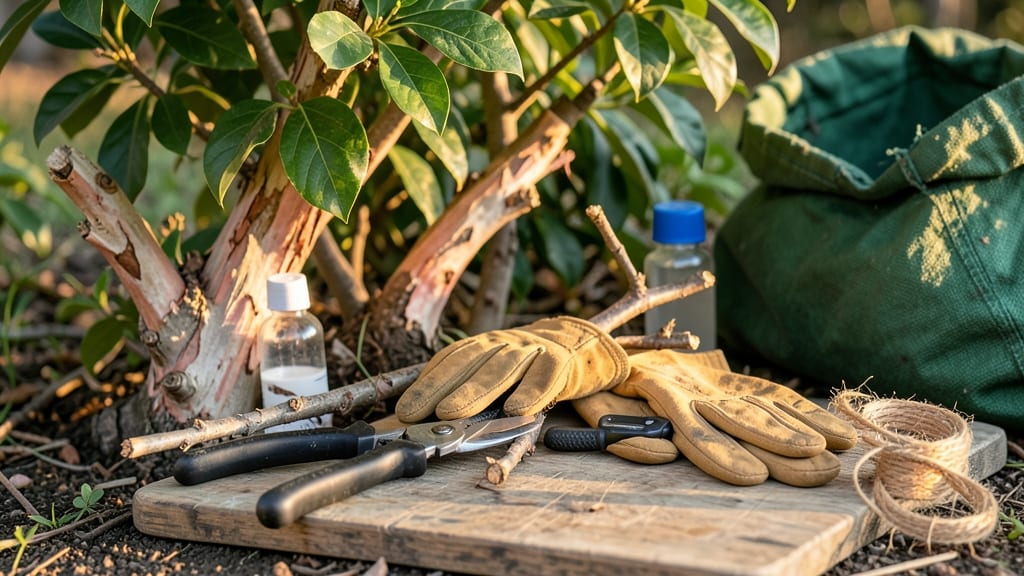
Pruning crepe myrtles in late winter reveals their true potential—longer blooms, stronger branches, and a shape that turns heads all summer. 🌿 I’ve pruned mine for five years now, and the difference between a neglected shrub and a showstopper comes down to a few key cuts made at the right time.
Most people wait until spring, but the best time is actually when the plant is still dormant—just as buds begin to swell. You’ll need sharp pruners, loppers for thicker branches, and gloves to protect your hands from thorns.
The goal is to remove dead, crossing, or weak branches first, then shape the plant by cutting just above a bud or leaf node. Cutting too close to the trunk can leave ugly stubs, while leaving too much stem weakens the plant.
Aim for an open center that lets light and air circulate—this prevents disease and encourages more flowers. By the time summer rolls around, your pruned crepe myrtle will be bursting with blooms from top to bottom, not just at the tips.
The branches will grow straighter, and the plant will look fuller without the need for constant trimming later. I’ve seen neighbors’ shrubs struggle with weak stems or sparse flowers—until they prune properly, that is.
This method works for both small shrubs and large trees, and it’s beginner-friendly once you get the hang of it. The key is patience—skip summer pruning, and avoid cutting into old wood. With just a little practice, you’ll have a crepe myrtle that’s the envy of the neighborhood.
📚 In This Guide
- What you need
- Instructions
- Tips and common mistakes
- Wrapping up and next steps
What you need
- ● Pruning shears or lopers: Sharp, bypass-style shears (for cuts under ½ inch) or loppers (for thicker branches up to 2 inches). 1-2 pairs recommended.
- ○ Pruning saw: A curved-tooth or folding pruning saw for branches thicker than 2 inches. 1 unit (optional but helpful for mature shrubs).
- ● Gloves: Heavy-duty, cut-resistant gloves (e.g., leather or reinforced fabric) to protect hands from thorns and sharp branches. 1 pair.
- ● Disinfectant: Rubbing alcohol (70%+) or bleach solution (1 part bleach to 9 parts water) to sterilize tools between cuts and prevent disease spread.
- ● Heavy-duty trash bags or bucket: For collecting pruned branches and debris. 1-2 units.
- ● Step ladder or sturdy stool: If your crepe myrtle is taller than 6 feet, a stable, extendable ladder (e.g., 8–10 feet) is a must. 1 unit (safety first!).
- ○ Marking twine or paint: Colored twine or non-toxic paint to temporarily mark branches for removal (optional but useful for complex pruning).
- ● Pruning sealant: Tree wound dressing (e.g., Tanglefoot or similar) to seal large cuts (controversial but some swear by it for rapid healing).
- ● Safety glasses: Protect your eyes from debris, especially when using a pruning saw.
- ● Work apron or bandana: Keeps leaves and twigs off your clothes while you work.
- ● Garden hose with nozzle: For rinsing tools and cleaning up sap or saplings.
- ● Pruning guide or ruler: A measuring tape or pruning gauge to ensure proper branch spacing and height.
Crepe myrtle shrub pruning: Step-by-Step dormant season care
Here’s how I prune crepe myrtles for stronger growth and bigger blooms—no guesswork involved.
✂️ Step 1: Identify and Remove Dead or Weak Wood
Start by scanning your shrub for branches that are completely bare, brittle, or showing signs of disease. These will be the first to go. I grab my pruning shears and cut back to the main trunk or a healthy lateral branch—never leave stubs. The goal is clean cuts at a 45-degree angle, about ¼ inch above a leaf node or bud.
If you spot any branches with holes, oozing sap, or blackened bark, those are clear candidates for removal. Healthy branches should have a firm green or brown interior when you cut into them. Don’t worry about size—even small dead branches can harbor pests or diseases that spread to the rest of the plant.
✂️ Step 2: Thin Out Crowded Branches for Better Airflow
Crepe myrtles bloom best when they have good airflow and light penetration. Look for branches that cross or rub against each other—these create weak points and invite disease. I remove about 20-30% of the total branches, focusing on the oldest wood first. Start from the bottom and work your way up, cutting back to a strong lateral branch or the main trunk.
Thinning isn’t about making the shrub smaller—it’s about creating an open, vase-like shape. You’ll see where branches compete for space; these are the ones to prune. Avoid over-thinning, though. A crepe myrtle needs a sturdy framework to support its flowers. Leave at least 3-5 main branches to maintain structure.
✂️ Step 3: Shape the Shrub for Longer Blooms
Now it’s time to encourage that classic crepe myrtle silhouette. I focus on the top third of the shrub, cutting back the longest branches by about one-third to promote bushier growth. Make your cuts just above an outward-facing bud or leaf node. This ensures new growth will fill out the center and create a balanced shape.
For taller varieties, I avoid heavy pruning at the top—this can weaken the plant and reduce flowering. Instead, I trim just enough to open up the canopy and let sunlight reach the lower branches. You’ll know you’ve done it right when the shrub looks fuller at the base and has room for air to circulate.
⏰ Step 4: Clean Up and Prepare for New Growth
After pruning, gather all the clippings and dispose of them properly. Don’t leave them on the ground—this can attract pests or fungal diseases. I like to burn them if possible, or at least bag them for trash pickup. Now’s also the time to check your tools. Clean your pruning shears with rubbing alcohol to prevent the spread of bacteria between cuts.
Give your crepe myrtle a light application of balanced fertilizer (like 10-10-10) to support new growth. Water deeply but not excessively—you want the soil to be moist but not soggy. In 4-6 weeks, you’ll start seeing fresh green shoots. This is your signal that the pruning worked and the plant is ready to bloom again next season.
🌱 Step 5: Monitor and Adjust for Future Seasons
Keep an eye on your crepe myrtle over the next few months. If you notice any new branches growing in awkward directions, trim them back in early summer to maintain shape. Avoid heavy pruning during the growing season—this can stimulate weak, leggy growth and reduce flowering.
I also mark my calendar for next winter’s pruning. Dormant season is the best time to prune, but if you miss it, you can do light maintenance pruning in late winter or early spring. Just remember: the key to longer blooms is patience and consistency. Each year, your crepe myrtle will reward you with bigger, more vibrant flowers if you follow this routine.
Tips & tricks for perfect crepe myrtle shrub pruning
These simple strategies will help you transform your crepe myrtle into a blooming powerhouse—without the guesswork.
Pruning Angle Precision: In Step 1, when making those 45-degree cuts about ¼ inch above leaf nodes, I use a small notched ruler or even the edge of a credit card to guide the angle. This ensures clean, precise cuts that heal faster and look professional. The notch helps me visualize where to cut without guessing—trust me, it makes all the difference when you're dealing with dozens of branches.
Visual Branch Assessment: For Step 2, I developed a quick test: tap branches with your knuckles. Dead wood makes a hollow sound, while healthy branches sound solid. This works especially well for thick branches where you can't easily see inside. I also look for where branches cross—they'll often have calloused areas where they've rubbed together, signaling they need removal for better airflow.
Seasonal Timing Secret: The 4-6 week window mentioned in Step 4 is critical for new growth. I mark my calendar for February 15th each year as my target date, since most areas experience dormancy by then. If you're in a warmer climate, wait until you've had at least three consecutive days below 40°F—this ensures the plant is truly dormant and won't stress from pruning.
Tool Maintenance Tip: After cleaning your pruning shears with rubbing alcohol (Step 4), I run them through a few strokes on a sharpening stone to maintain their edge. Dull blades crush stems instead of cleanly cutting them, which can damage the plant and spread disease. I keep a small sharpening kit in my gardening toolbox specifically for this purpose.
Pro Tips for Crepe Myrtle Shrub Pruning
- These simple strategies will help you transform your crepe myrtle into a blooming powerhouse—without the guesswork.
- Pruning Angle Precision: In Step 1, when making those 45-degree cuts about ¼ inch above leaf nodes, I use a small notched ruler or even the edge of a credit card to guide the angle.
- Visual Branch Assessment: For Step 2, I developed a quick test: tap branches with your knuckles.
Frequently asked questions
Got questions about pruning your crepe myrtle shrubs? You’re not alone! Here are some of the most common concerns—and their answers—to help you prune like a pro.
When is the best time to prune crepe myrtles?
Prune your crepe myrtles during dormancy, typically late winter or early spring (before buds swell). Avoid pruning in fall, as new growth won’t harden off before winter. If you must prune in summer, do so after blooming to preserve next year’s flowers.
Should I remove all the branches, or just some?
Never remove more than 1/3 of the plant’s total growth in one season. Focus on thinning out old wood (3+ years) and crossing branches. Leave some younger stems to ensure the shrub stays healthy and blooms abundantly. Never “hat-rack” prune—this weakens the plant!
My crepe myrtle isn’t blooming after pruning. What went wrong?
If your shrub skips blooms, you may have pruned too late (after buds formed) or cut back all the current season’s growth. Blooms form on new wood, so always leave some fresh stems. For future blooms, prune in late winter and avoid heavy summer cuts.
Can I prune crepe myrtles into a tree shape?
Yes! To train your crepe myrtle as a small tree, select one central leader and remove competing branches. Thin out lower branches to create a clean trunk (about 3–4 feet tall). Prune regularly to maintain shape, but avoid over-trimming—crepe myrtles bloom best with a balanced canopy.
What should I do if my crepe myrtle has dead branches after pruning?
Dead branches can happen if you cut into old, diseased wood or pruned too aggressively. To fix it, sterilize your tools with rubbing alcohol, then make clean cuts just outside the branch collar. If large sections die, the shrub may need time to recover—avoid pruning for a season and focus on watering and fertilizer.
Wrapping up and next steps
Pruning your crepe myrtle during the dormant season isn’t just about tidying up—it’s your secret weapon for longer, showier blooms and a healthier shrub!
By following this blueprint, you’ll encourage strong growth, prevent pests, and keep your landscape looking polished year-round. Now’s the perfect time to grab those pruners and get started!
Ready to transform your crepe myrtle into a blooming star? Bookmark this guide, gather your tools, and schedule your pruning session before spring arrives. Your future blooms will thank you! 🌸✂️