
Pruning
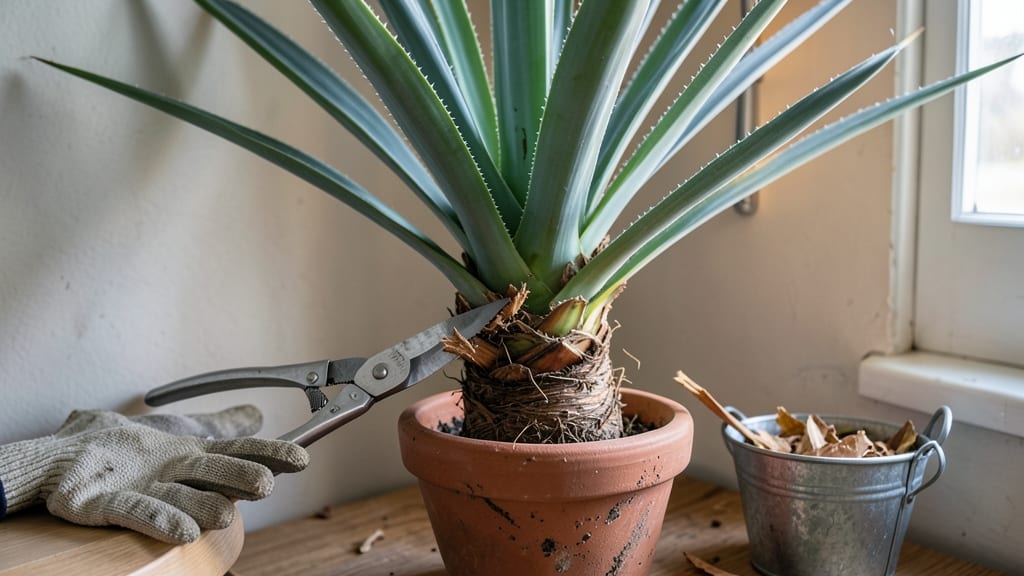
Pruning your outdoor yucca plant in early spring unlocks a revival that keeps it thriving for years. 🌵 I’ve seen neglected yuccas go from brown and brittle to lush and full just by following these three steps—no green thumb required.
The secret lies in timing, sharp cuts, and letting the plant focus its energy where it matters most.
You’ll need just a few tools: pruning shears (sterilized with rubbing alcohol), gloves (yucca spines are no joke), and a bucket for clippings. The best time to prune is right after the last frost, when new growth is about to burst through.
This gives your yucca a head start on the growing season without stressing it in the heat.
Start by removing any dead or damaged leaves at the base—these are the energy vampires of your plant. Next, cut back any leggy growth that’s stretching too far from the center, making a clean slice just above a healthy leaf node.
Finally, trim back any overly long flower stalks (yes, even after blooming!) to redirect nutrients into stronger foliage.
After pruning, give your yucca a deep watering to help it recover, and avoid fertilizing for at least a month. Within weeks, you’ll see fresh, vibrant growth pushing out from the center, and your plant will look like it just got a spa day.
The best part? This simple routine keeps yuccas looking sharp and healthy for decades.
📚 In This Guide
- What you need
- Instructions
- Tips and common mistakes
- Wrapping up and next steps
What you need
- ● Pruning shears or bypass pruners: Sharp, sterilized shears (5-7 inch blade) for clean cuts—avoid dull tools that crush stems.
- ● Garden gloves: Heavy-duty, cut-resistant gloves (e.g., leather or reinforced fabric) to protect hands from sharp edges and sap.
- ● Disinfectant (rubbing alcohol or bleach solution): 1 part bleach to 9 parts water for sterilizing tools between cuts.
- ● Trash bag or compost bin: For disposing of pruned debris (yucca is non-toxic but best composted if diseased).
- ● Hose or watering can: To rinse tools and clean sap off gloves post-pruning.
- ● Loppers: For thicker stems (1-2 inch diameter) if your yucca has mature, woody growth.
- ● Hand saw: Small pruning saw for stubborn, thick branches (avoid serrated blades—they tear fibers).
- ● Pruning sealant: (e.g., tree wound dressing) for large cuts over 1 inch in diameter—though yucca often heals without it.
- ● Notebook & pen: To record pruning dates, plant condition, or growth notes for future reference.
- ● Safety glasses: If working with large, heavy branches that might snap unexpectedly.
Step-by-step instructions for outdoor yucca plant pruning
Revive your yucca with these three simple steps—your plant will thank you with stronger growth all season.
✂️ Step 1: Identify and Remove Dead or Damaged Growth
Start by examining your yucca plant for any brown, crispy, or mushy foliage—these are clear signs of dead growth that needs removal. I always prune in the early morning when the plant is fully hydrated, making it easier to spot what’s truly dead versus just dormant. Use clean, sharp pruners or shears to cut back any dead fronds at their base, about ½ inch above the healthy tissue.
Don’t skip this step, even if the dead parts look minor. Dead foliage can harbor pests or diseases that might spread to the rest of the plant. If you’re unsure whether a frond is dead, gently tug on it—if it resists, it’s still alive and should stay put. Focus on removing anything that snaps off easily or looks brittle and dried out.
✂️ Step 2: Trim Overgrown or Crowded Fronds for Better Airflow
Yuccas grow best when they have good airflow around their base. If your plant has fronds that are too long, touching the ground, or growing in a way that crowds the center, it’s time to thin them out. I like to trim back any fronds that are over ⅓ of the plant’s height or growing in a way that blocks sunlight from reaching the center.
Make your cuts just above a leaf node or branch point—this encourages new growth from that spot. Avoid cutting into the thick, woody trunk unless it’s absolutely necessary, as yuccas store water there and rely on it for survival. If you’re pruning to shape the plant, step back occasionally to check your progress and ensure the plant still looks balanced.
🌱 Step 3: Encourage New Growth with Proper Aftercare
After pruning, your yucca might look a little sparse, but don’t worry—it’s about to bounce back. Water the plant deeply right after pruning to help it recover, especially if you’ve removed a lot of foliage. However, don’t overdo it; yuccas are drought-tolerant and prefer to dry out between waterings. Wait until the top 2-3 inches of soil feel dry before watering again.
In the weeks following pruning, keep an eye out for new growth emerging from the base or along the trunk. This is your plant’s way of telling you it’s happy and thriving. If you notice any yellowing leaves after pruning, it’s usually a sign of overwatering—yuccas prefer well-draining soil and can’t handle soggy roots. Adjust your watering habits if you see this happen.
Tips & tricks for perfect outdoor yucca plant pruning
Here's what nobody tells you about giving your yucca the second chance it deserves.
Timing Tip: The early morning is your best friend for pruning—this is when the plant's moisture content is highest, making it easiest to distinguish between dead and dormant fronds. I've found that pruning in the late afternoon can sometimes lead to confusion because the leaves may appear more turgid due to heat stress rather than true health. If morning isn't possible, wait until late afternoon when the plant has had time to recover from daytime heat.
Tool Selection: Never use dull or rusty pruners on your yucca. The sharpness of your tools makes all the difference in clean cuts that heal properly. I keep a dedicated pair of pruners just for my succulents, sterilized with rubbing alcohol between uses. For particularly thick fronds, a small handsaw can be a game-changer—just be sure to make clean cuts rather than sawing back and forth.
Visual Cue for Healthy Tissue: When making your cuts in Step 1, look for the green, slightly waxy tissue just below the dead frond. This healthy tissue should be firm and bright green, not yellow or brown. I've learned this the hard way after cutting too close and exposing the plant to potential rot. Aim to leave that ½ inch margin of healthy tissue—it's your plant's best defense against infection.
Post-Pruning Observation: After completing your pruning, take a step back and examine the plant's overall shape. You want to maintain a balanced silhouette that allows sunlight to reach all parts of the plant. I've noticed that yuccas often grow new fronds from the side where they've been most crowded, so be intentional about creating space. This is especially important for larger yuccas where the center can become quite shaded.
Pro Tips for Outdoor Yucca Plant Pruning
- Here's what nobody tells you about giving your yucca the second chance it deserves.
- Timing Tip: The early morning is your best friend for pruning—this is when the plant's moisture content is highest, making it easiest to distinguish between dead and dormant fronds.
- Tool Selection: Never use dull or rusty pruners on your yucca.
Frequently asked questions
Got questions about pruning your outdoor yucca plant? You’re not alone! Here are some of the most common concerns—plus straightforward answers to keep your plant thriving.
When is the best time to prune a yucca plant?
Prune your yucca in early spring (just as new growth begins) or late winter before the growing season kicks off. Avoid pruning in fall or winter, as cold stress can slow recovery. If you spot dead or damaged foliage anytime, remove it promptly to prevent pests or disease.
Do I need special tools to prune my yucca?
Nope! A sharp pair of pruning shears or clean garden shears work perfectly. Sterilize your tools with rubbing alcohol before and after pruning to avoid spreading bacteria. For thick stems, a pruning saw (like a bow saw) can make the job easier—just keep cuts clean and angled to prevent water pooling.
What if my yucca plant looks sad after pruning?
Don’t panic! Yuccas are tough and often bounce back in 4–6 weeks. If you see yellowing leaves or soft stems, it might signal over-pruning or stress. Reduce watering temporarily and ensure it’s in well-draining soil with full sun. If rot sets in, trim affected areas immediately and repot if needed.
Can I propagate my yucca from pruned cuttings?
After pruning, let cuttings dry out for 1–2 days to form a callous. Plant them in sandy, well-draining soil and keep them in bright, indirect light (avoid direct sun at first). Roots typically form in 2–4 weeks. Pro tip: Use a rooting hormone to speed up the process!
How do I prune a yucca in hot or cold climates?
| Hot Climates (Zones 8–11) | Cold Climates (Zones 3–7) |
|---|---|
| Prune in early spring to avoid summer heat stress. Water deeply but infrequently post-pruning. | Wait until late spring (after frost risk passes). Mulch the base to protect roots during recovery. |
| Watch for sunburn on fresh cuts—apply a light layer of gardening sulfur if needed. | If pruning in fall, do it early and avoid heavy cuts to prevent winter damage. |
Wrapping up and next steps
Pruning your outdoor yucca plant is like giving it a fresh start—simple steps that unlock healthier growth, stunning blooms, and long-term resilience. 🌿 Whether you’re trimming dead fronds, shaping for aesthetics, or encouraging new shoots, the key is confidence and consistency.
Now that you’re armed with the right tools and techniques, there’s no better time to roll up your sleeves and revitalize your yucca.
Ready to see the difference? Pick a calm, sunny day and start with just one section—your yucca will thank you! For extra inspiration, snap a before-and-after photo to track its progress. Happy pruning! ✂️