
Pruning
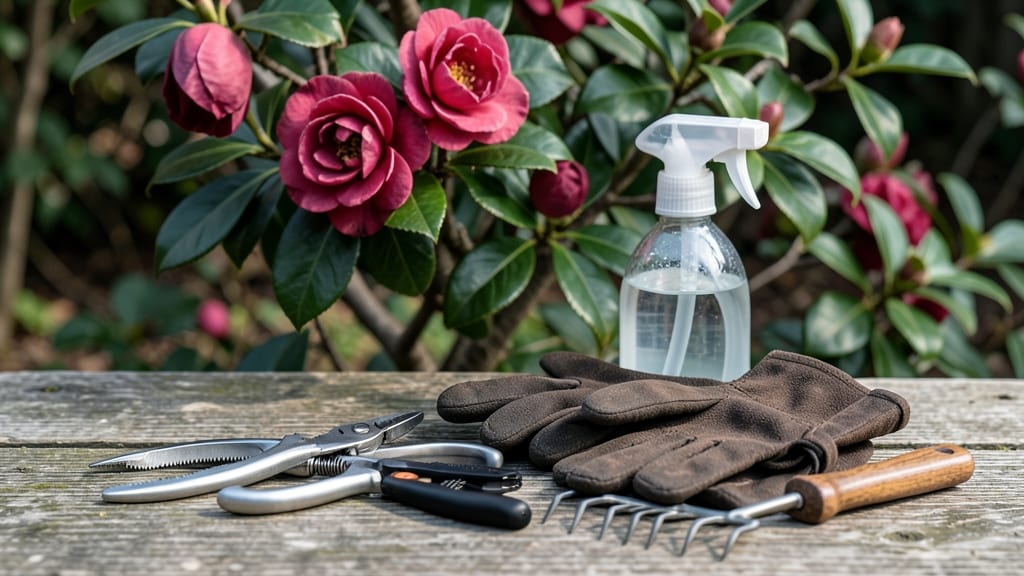
Three strategic cuts transform your japonica plant pruning into a year-round blooming machine. ✂️ I’ve pruned Camellia japonicas for years, and these simple cuts—done at the right time—double your flowers while keeping plants healthy and compact. The secret isn’t complexity; it’s timing and precision.
Start with late winter (before buds swell) to shape the plant and remove dead growth. Then, prune again after spring blooms fade to encourage new shoots. The third cut comes after summer flowers drop, keeping energy flowing toward next season’s buds.
Each cut should target 1/3 of the plant’s height—never more—to avoid stress.
What you’ll end up with is a Japonica that blooms heavily in spring and fall, with bonus summer flowers if you’re lucky. The leaves stay glossy, the branches stay sturdy, and you’ll spend less time wrestling with overgrown limbs. Even my first attempt looked shockingly lush by midsummer.
Works for Camellia japonica, Sasanqua, and other Japonica varieties. Just adjust timing slightly for your climate—warmer zones can prune a little later. Here’s how to do it without a single snag.
Root Causes Of Overgrown Japonica
When your Lagerstroemia indica (commonly called Japonica) starts looking unruly, it’s rarely just "bad luck"—there’s usually a clear reason behind the unchecked growth. Understanding these triggers helps you prune with precision, not panic. Here’s why your plant might be sending out wild, leggy branches or sparse blooms:
Japonicas thrive when their roots have space to stretch, but when roots become tangled or compete for nutrients, the plant reacts by sending up fast, weak growth to reach sunlight. This is especially common in:
- Small containers: Roots circle the pot (a condition called root-bound), starving the plant of oxygen and water. The plant prioritizes vertical growth over dense foliage.
- Poor soil drainage: Compacted or clay-heavy soil suffocates roots, forcing the plant to "escape" upward with thin, watery stems.
- Lack of mulch: Without a 2–3 inch layer of organic mulch, soil dries out quickly, stressing roots and triggering erratic growth spurts.
Actionable fix: Repot every 2–3 years in well-draining soil, or for in-ground plants, aerate the soil annually and top-dress with compost.
Japonicas are not "set it and forget it" plants—they bloom on new wood, meaning they need regular pruning to encourage dense, flowering growth. Missing these key times sends mixed signals:
- Late winter/early spring (before buds swell): Pruning here removes old, weak wood and stimulates fresh growth. Skipping it leaves the plant with last year’s exhausted branches.
- Post-bloom (summer): Light shaping after flowers fade prevents leggy growth by redirecting energy to lateral branches.
- Fall cleanup (after leaves drop): Removing dead or crossing branches prevents disease and overcrowding.
Actionable fix: Prune once annually (late winter) for structure, then do a light touch-up in summer to maintain shape.
Japonicas are sun-worshippers, but too little (or too much) light throws their growth off balance. Here’s how:
| Light Issue | Plant Response | Fix |
|---|---|---|
| ⚡ Too much direct sun (especially in hot climates) | Leaves scorch, stems grow long and sparse to avoid leaf burn. | Provide afternoon shade (use sheer fabric or a lattice). |
| 🌑 Too little light (indoors or shaded yards) | Leggy, pale stems stretch toward any available light (etiolation). | Move to a south/west-facing spot or supplement with grow lights (12–14 hrs/day). |
| 💀 Nutrient deficiency (e.g., low nitrogen or phosphorus) | Slow growth, small leaves, or all-bloom-no-foliage (or vice versa). | Test soil and amend with a balanced 10-10-10 fertilizer in spring. |
Pro tip: 🌡️ If your plant is flopping (not standing upright), it’s often a sign of root-bound stress or overwatering—both reduce structural support.
Watering is a tightrope walk for Japonicas—they hate soggy roots but also can’t handle drought stress. Both extremes trigger compensatory growth:
- Overwatering: Roots suffocate, leading to fungal infections (like root rot) and weak, mushy stems. The plant puts energy into survival mode, not blooms.
- Underwatering: Leaves curl, stems harden, and the plant sends up thin, brittle growth to conserve moisture.
- Inconsistent watering: Drying out then drowning the roots confuses the plant, causing split growth (some branches lush, others bare).
Actionable fix:
- Water deeply 1–2 times per week (check soil 2 inches down—it should be damp, not soggy).
- Use drip irrigation or soaker hoses to avoid wetting foliage (prevents fungal diseases).
- Avoid mulch volcanoes—keep mulch 6 inches away from the trunk to prevent rot.
Remember: Most pruning "problems" start below ground or with basic care. Fix the root cause (literally and figuratively), and your Japonica will reward you with year-round blooms and sturdy structure.
Revive Your Japonica Blooms
If your Japonica plant isn’t thriving, don’t panic—most issues can be fixed with the right pruning techniques and a little TLC. Below, we’ve mapped out common problems to targeted fixes, ensuring your plant stays lush and blooming year-round. 🌿✂️
Cause: Too much shade, lack of pruning, or excessive fertilizer (especially nitrogen-heavy). Fix It: 🔥 Prune Back Aggressively – Trim 1/3 of the leggiest stems just above a leaf node or bud. This encourages bushier growth. 🍳 Thin Out Crowded Branches – Remove any crossing or inward-growing stems to improve airflow and sunlight penetration. 👨🍳 Repot if Needed – If roots are circling, gently loosen them and repot in fresh, well-draining soil.
Prevention Tip: 💡 Prune every 4-6 weeks during the growing season (spring-fall) to maintain shape and encourage blooms.
Cause: Over-pruning in fall/winter, poor light, or not deadheading spent blooms. Fix It: 🔪 Light Pruning for Blooms – Cut back only after flowering (late summer/fall) to avoid removing next year’s buds. Focus on shaping, not drastic cuts. 🌡️ Boost Light Exposure – Move to a sunnier spot (6+ hours of direct sun) or supplement with grow lights in winter. ✨ Deadhead Regularly – Snip off faded flowers just above the next set of leaves to redirect energy to new blooms.
Prevention Tip: 🎯 Feed with a balanced fertilizer (10-10-10 or 20-20-20) every 6-8 weeks during bloom season.
Cause: Overwatering, poor drainage, or nutrient deficiencies (often iron or magnesium). Fix It: 🥘 Check the Roots – Let the top 1-2 inches of soil dry out between waterings. If roots are mushy, trim affected areas and repot in fresh soil. 📊 Flush the Soil – Run water through the pot to remove excess salts (common with tap water or fertilizer buildup). 💪 Fertilize Smartly – Use a chelated iron supplement if leaves are yellow with green veins (iron deficiency) or Epsom salt (1 tsp per gallon of water) for magnesium.
Prevention Tip: 🌡️ Use pots with drainage holes and a mix of perlite/pumice to improve aeration.
Cause: Weakened plant from stress (overwatering, poor nutrition) or high humidity. Fix It: 🔥 Isolate the Plant – Move it away from other plants to prevent spread. 🍳 Blast Off Pests – Spray with a strong stream of water to dislodge soft-bodied pests like aphids. 👨🍳 Neem Oil or Insecticidal Soap – Mix 1 tsp neem oil per quart of water + a drop of dish soap. Spray thoroughly (repeat every 5-7 days). 🌿 Encourage Beneficial Insects – Release ladybugs or lacewings to eat pests naturally.
Prevention Tip: 🌡️ Wipe leaves with a damp cloth weekly to remove dust and deter pests.
Cause: Root-bound plants, cold drafts, or sudden temperature shifts. Fix It: ⏰ Repot if Roots Are Circling – Gently tease roots and move to a pot 1-2 inches larger with fresh soil. 🌡️ Adjust Temperature – Keep Japonicas in 60–75°F range. Avoid placing near AC vents or drafty windows. 💡 Use a Growth Stimulator – A diluted seaweed extract (1 tsp per gallon) can boost root and shoot growth.
Prevention Tip: ✨ Gradually acclimate plants to outdoor conditions if moving between indoor/outdoor spaces.
With these targeted fixes, your Japonica will bounce back stronger than ever. Remember: pruning isn’t just about cutting—it’s about guiding growth. Stay consistent, and your plant will reward you with vibrant blooms all season! 🌸🌿
Frequently asked questions
When is the best time to prune my Japonica plant for maximum blooms?
Prune your Japonica three times a year: late winter (before buds swell), summer (after spring blooms fade), and fall (after summer flowers drop). This timing ensures you never remove next year’s flower buds while keeping the plant compact and healthy.
How do I know if I'm pruning too much or too little?
Never remove more than 1/3 of the plant’s height in one session. If you see bare stems or sparse foliage, you’ve over-pruned. Too little pruning leads to leggy growth and fewer blooms. Aim for 2-3 light cuts per year for balance.
Can I prune Japonica plants in containers differently than in-ground plants?
Yes! Container Japonicas need more frequent pruning—every 4-6 weeks during growing season—to prevent root-bound stress. In-ground plants can handle annual pruning (late winter). Always use sterilized tools and repot every 2-3 years to refresh soil.
What should I do if my Japonica looks sad after pruning?
Give it 2-3 weeks to recover. Water deeply but less often (check soil 2 inches down) and avoid fertilizing until new growth appears. If leaves yellow, flush the soil with water to remove excess salts from pruning stress.
Are there any tools I should avoid when pruning Japonica?
Avoid dull shears (they crush stems) or pruning saws (too aggressive). Use bypass pruners for clean cuts or concave cutters for thicker branches. Never use scissors—they tear instead of cut. Always sterilize tools with rubbing alcohol between cuts.