
Pruning
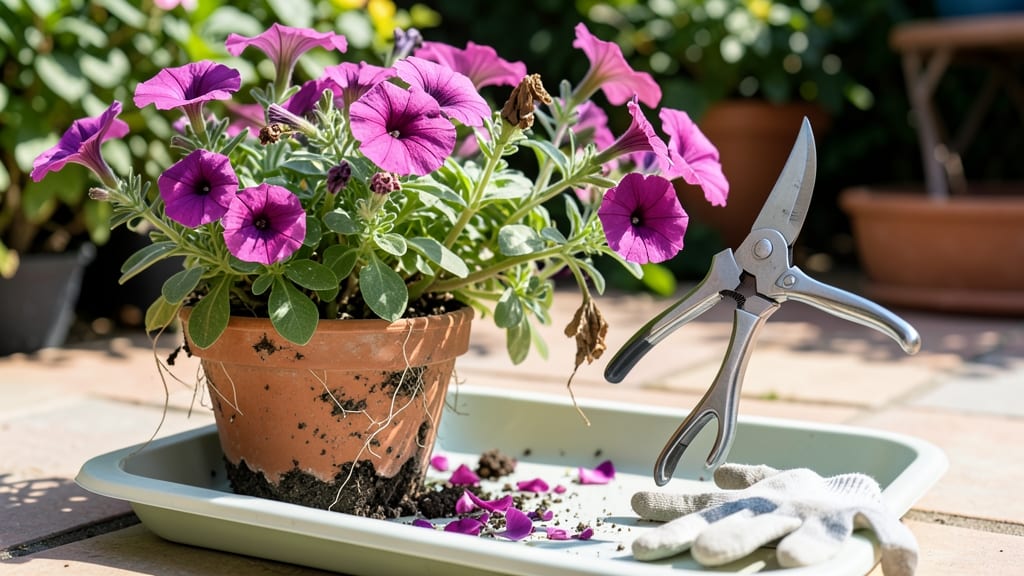
Pruning petunias in pots isn’t just about cutting back—it’s about unlocking nonstop blooms that turn your containers into vibrant, fragrant showstops. 🌸 I’ve learned the hard way that skipping this step means leggy plants with half the flowers, but the right cuts transform them into bushy, flowering powerhouses that last all season.
The key? Timing, technique, and knowing when to stop before you strip them bare.
You only need three tools: sharp bypass pruners (dull scissors crush stems), clean hand pruners for smaller cuts, and a small spray bottle for post-pruning hydration. Prune in the morning on dry days to let cuts heal before evening moisture sets in—this prevents rot.
For bushier growth, pinch back the tips of new stems when they’re about 4 inches tall, encouraging branching. To boost flowering, trim back one-third of the plant after the first flush of blooms, focusing on leggy stems and spent flowers.
After pruning, your petunias will bounce back faster than you think—within 10-14 days, you’ll see fresh green growth and a surge of new buds. The secret? Don’t overdo it: petunias are resilient but not indestructible.
A quick check for yellowing leaves (sign of over-pruning) or wilting (underwatering) keeps them thriving. For containers, mulch with 1 inch of compost to retain moisture and protect roots from heat stress.
This method works year-round in warm climates, or until your first frost if you’re in cooler zones. Even in small pots, petunias respond beautifully to regular pruning—just adjust the scale.
The payoff? Double the blooms, stronger stems, and plants that stay compact enough for balconies or windowsills. Ready to give it a try?
📚 In This Guide
- What you need
- Instructions
- Tips and common mistakes
- Wrapping up and next steps
What you need
- ● Pruning shears or scissors: Sharp, clean bypass pruners (3–5 inches long) for precise cuts. Avoid dull tools—they crush stems!
- ● Gloves: A pair of gardening gloves (nitrile or leather) to protect your hands from thorns and dirt.
- ○ Disinfectant (optional but recommended): Rubbing alcohol (70%+) or a gardening sanitizer to sterilize tools between cuts and prevent disease.
- ○ Pruning saw (optional): Only needed if your petunia stems are thicker than ½ inch—use a hand pruning saw with a fine-tooth blade.
- ○ Compost or potting mix (optional): A small bag of balanced fertilizer (10-10-10 or 20-20-20) or compost to refresh the soil after pruning (1–2 cups per pot).
- ● Timing: Prune on a dry, sunny morning (avoid wet conditions to prevent fungal issues).
- ● Watering: Lightly water the petunias 1–2 hours before pruning to reduce stress on the plant.
- ● Weather check: Wait for temps above 50°F (10°C)—petunias hate cold snips!
- ● Pot access: Ensure your pot is easily movable (or place it on a stable surface) for comfortable pruning.
Step-by-step guide to pruning potted petunias for lush growth
Here’s the method I use to keep my petunias blooming abundantly all season—no guesswork, just proven results.
✂️ Step 1: Identify and Remove Dead or Diseased Growth
Start by scanning your petunias for anything that’s brown, wilted, or showing signs of disease—those are your first targets. Use clean, sharp pruners (or even scissors) to snip away dead stems at their base, cutting just above the next healthy leaf or bud. This step isn’t just about looks; it prevents pests and diseases from spreading.
If you see leggy stems with no flowers or leaves, trim those too. These stems steal energy from the plant instead of supporting new blooms. I like to work in the morning when the plant is dry—it’s easier to spot problems and the cuts heal faster in cooler temperatures.
✂️ Step 2: Pinch Back Leggy Stems for Bushier Growth
Leggy stems are the enemy of compact, bushy petunias. Look for stems that are stretching tall and thin, often with large gaps between leaves. Using your fingers or pruners, pinch or cut just above a set of leaves where new growth will emerge. This encourages the plant to branch out instead of growing upward.
For established plants, I target stems that are 6-8 inches tall—this is the sweet spot for triggering bushier growth. Avoid cutting into woody stems; focus on the softer, newer growth. You’ll see new side shoots forming within 7-10 days, signaling the plant is responding well.
✂️ Step 3: Trim Back Overly Long Stems to Encourage More Blooms
Petunias bloom best when they’re not overgrown. Once a stem grows too long (usually 8-12 inches), it stops producing flowers and just gets leggy. Cut these stems back by one-third to one-half their length, always just above a leaf node or bud. This redirects the plant’s energy toward producing more flowers instead of just height.
I like to do this every 2-3 weeks during peak blooming season. You’ll notice a surge in new flowers within 10-14 days—it’s like hitting the reset button on your plant’s growth cycle. Just avoid cutting into the main stem if it’s thick or woody; focus on the softer, newer growth.
✂️ Step 4: Deadhead Spent Blooms Regularly
Deadheading is the secret to nonstop blooms. As flowers fade, they turn into seed pods that drain energy from the plant. Use your fingers or pruners to snip off spent blooms just above the next set of leaves or buds. This encourages the plant to produce more flowers instead of wasting energy on seed production.
I make it a habit to deadhead every few days during the blooming season. You’ll see a noticeable increase in new flowers within 3-5 days—it’s like giving your petunias a little boost. If you’re short on time, focus on the oldest blooms first; they’re the ones most likely to turn into seed pods.
☀️ Step 5: Adjust Care After Pruning for Optimal Recovery
After pruning, your petunias will need a little extra care to bounce back strong. Water deeply right after pruning to help the plant recover and encourage new growth. Avoid fertilizing immediately—wait 3-5 days so the plant can focus on healing before taking in more nutrients.
Place your pots in a spot with bright, indirect light for the first few days post-pruning. This gives the plant time to adjust without the added stress of full sun. Once new growth appears (usually within 7-10 days), you can gradually reintroduce full sun and resume regular care.
Tips & tricks for pruning potted petunias
These simple secrets will transform your petunias from straggly to show-stopping all season.
Timing is Everything: I’ve found that pruning in the morning—when plants are dry and dew-free—makes a huge difference. The cuts heal faster in cooler temperatures, and you’ll spot problems like disease or pests more easily. Plus, morning light helps you see the plant’s true condition before the heat of the day.
Precision Cutting Matters: When trimming stems in Step 2 or Step 3, always cut just above a leaf node or bud—not in the middle of a stem. This is where new growth emerges, and cutting here ensures your plant responds with bushier, more compact growth. I use clean, sharp pruners to avoid crushing stems, which can introduce infections.
Deadheading Discipline: The instructions mention deadheading every few days, but I take it a step further by setting a reminder on my phone. Those 3-5 days between deadheading and new blooms fly by, and neglecting this step is what causes that "bloom drought" many gardeners see. Focus on the oldest flowers first—they’re the ones most likely to turn into energy-draining seed pods.
Seasonal Adjustments: In late summer when growth slows, I reduce pruning frequency to every 3-4 weeks instead of the usual 2-3 weeks. The plant needs time to recover before winter, and over-pruning can stress it. Watch for new growth—if it’s slow to appear after pruning, that’s your cue to back off.
Pro Tips for Prune Petunias In Pots
- These simple secrets will transform your petunias from straggly to show-stopping all season.
- Timing is Everything: I’ve found that pruning in the morning—when plants are dry and dew-free—makes a huge difference.
- Precision Cutting Matters: When trimming stems in Step 2 or Step 3, always cut just above a leaf node or bud—not in the middle of a stem.
Frequently asked questions
Got questions about pruning petunias in pots?
You’re not alone! Here are answers to the most common concerns—so you can keep your blooms lush and healthy without stress.
When is the best time to prune petunias in pots?
Prune petunias in the morning on a dry, sunny day to reduce stress on the plant. Early spring (after the last frost) and mid-summer (after flowering spikes) are ideal. Avoid pruning in extreme heat or cold—wait for mild weather for faster recovery.
How much should I cut back petunias in pots?
For a light trim, snip off just the faded blooms and leggy stems. For a harder prune (like after winter), cut back by ⅓ to ½ of the plant’s height. Never remove more than ⅓ at once—petunias bounce back best with gradual pruning!
What if my petunias don’t bloom after pruning?
If blooms stall, check for these fixes:
- Light: Petunias need 6+ hours of sun daily—move pots to a sunnier spot.
- Water: Overwatering or soggy soil can stress roots. Ensure pots have drainage holes.
- Fertilizer: Feed with a balanced, water-soluble fertilizer (like 10-10-10) every 2–3 weeks.
Can I prune petunias in pots in winter?
Yes! In mild climates (zones 9–11), prune lightly to shape the plant and remove dead foliage. In colder zones, wait until spring—petunias are annuals and won’t survive frost. If growing indoors, prune as needed to encourage bushiness.
What do I do with the pruned stems?
Toss them in the compost (unless diseased)—petunia stems decompose easily! For extra blooms, propagate healthy cuttings in water or soil. Just dip stems in rooting hormone and place in moist potting mix under bright, indirect light. New plants in 4–6 weeks!
Wrapping up and next steps
Pruning petunias in pots doesn’t have to be intimidating—just a little regular TLC can transform your plants into bushy, blooming powerhouses! 🌸 The key is timing, clean cuts, and patience, ensuring your petunias stay healthy and vibrant all season.
Now that you’re armed with the know-how, grab those shears and give your petunias the care they deserve.
Ready to see the results? Start with a light trim this week and watch your petunias thrive! For extra tips, check out our guide on fertilizing petunias for maximum blooms—your garden will thank you. 🌿