
How To
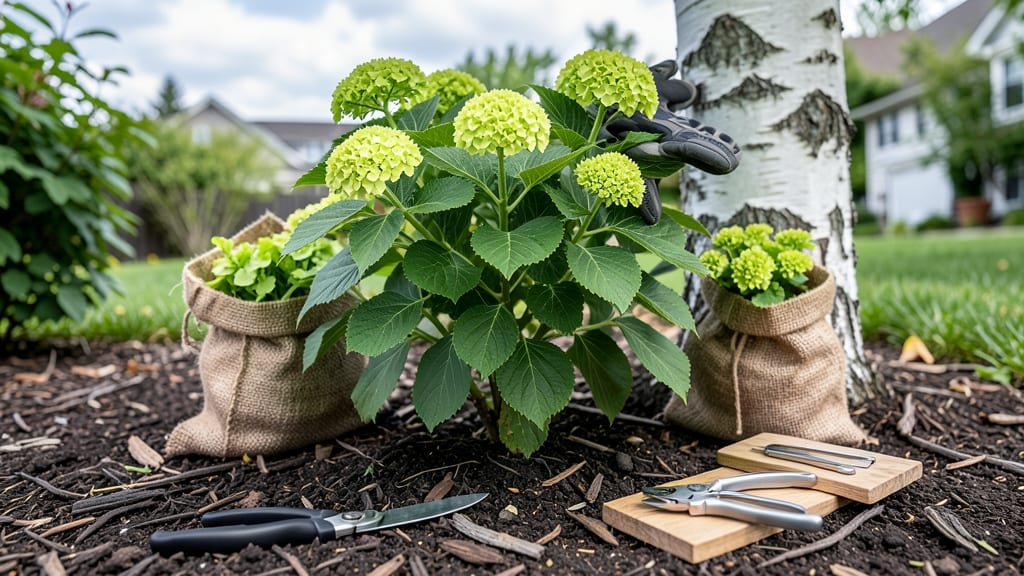
Pruning Little Lime hydrangea transforms it from a wild shrub into a neat, fragrant centerpiece. ✂️ I’ve learned the hard way—skipping pruning means leggy growth and fewer blooms. The secret? Timing matters most: prune in late winter (before buds swell) or right after flowers fade in fall.
You’ll need sharp pruners, gloves, and a sanitizer to prevent disease. Start by cutting back one-third of the oldest stems to the ground, then shape the rest by removing dead wood and crossing branches. The goal is to keep it compact while encouraging new growth where blooms form.
📚 In This Guide
- What you need
- Instructions
- Tips and common mistakes
- Wrapping up and next steps
What you need
- ● Pruning shears: Bypass-style (sharp, clean blades, 5-7 inches long) – 1 pair. Avoid anvil shears, as they crush stems.
- ● Hand pruners: Bypass or ratcheting (for thicker stems, up to ½ inch in diameter) – 1 pair.
- ● Gloves: Garden gloves (nitrile-coated for grip and protection) – 1 pair.
- ● Disinfectant: Rubbing alcohol (70% isopropyl) or bleach solution (1 part bleach to 9 parts water) – small bottle or spray.
- ○ Pruning sealant (optional but helpful): Tree wound paint or pruning paste – small tube (for cuts larger than ¼ inch).
- ● Trash bag or bucket: For collecting pruned branches – 1-2.
- ● Ladder or stool: If your hydrangea is taller than 3 feet – 1.
- ● Loppers: For thicker stems (½ to 1½ inches) – 1 pair.
- ● Hose or spray bottle: To rinse tools between cuts – 1.
- ● Notebook & pen: To sketch your pruning plan or track growth – 1.
- ● Safety glasses: If pruning near your face or eyes – 1 pair.
- ● Mulch: Shredded bark or compost to protect roots after pruning – small amount.
Step-by-step guide to pruning Little Lime hydrangea
This is the exact method I use to keep my Little Lime hydrangeas thriving—compact, fragrant, and blooming reliably.
✂️ Step 1: Understand the Right Time for Each Pruning Type
Little Lime hydrangeas bloom on old wood (last year's growth) and new wood (current season's growth), so timing matters. Late winter to early spring (just before buds swell) is ideal for renewal pruning—this removes dead wood and shapes the plant. Mid-summer is when I do light maintenance pruning to encourage bushier growth and remove spent blooms.
Here's the thing—if you prune too late in the season, you risk cutting off next year's flower buds. I always prune after the first flush of blooms in summer, but never after mid-August in my zone 7 climate. Watch for new growth (soft green stems) to confirm you're not pruning too early.
✂️ Step 2: Gather the Right Tools and Prepare for Pruning
You'll need clean, sharp pruning shears (sterilized with rubbing alcohol), bypass pruners for thicker stems, and gloves to protect from thorns. I also keep a small bucket of water nearby to rinse tools between cuts—this prevents spreading disease. Work on a dry, overcast day to reduce stress on the plant.
Before you start, examine the plant for dead or diseased branches (they'll be brown, brittle, or oozing sap). Remove these first—they're the easiest to spot and won't regrow. Little Lime hydrangeas respond best to 30-50% reduction in size during renewal pruning, so don't go overboard. You'll see a denser canopy within weeks of proper pruning.
✂️ Step 3: Perform Renewal Pruning in Late Winter/Early Spring
Start by removing last year's spent blooms (they'll look dried out and papery). Cut back to the first set of healthy leaves below the bloom cluster—this encourages new growth. For overgrown stems, reduce them by one-third to maintain the plant's natural shape. I like to step back every few cuts to check the balance.
Make cuts at a 45-degree angle just above a bud or leaf node (the bump where leaves grow). Avoid leaving stubs—this invites disease. If a stem is thicker than your thumb, use the bypass pruners and make the cut 1/4 inch above a bud. You'll notice new shoots emerging within 2-3 weeks—this is your signal that the pruning worked.
✂️ Step 4: Do Light Maintenance Pruning in Mid-Summer
After the first flush of blooms, remove spent flower clusters by cutting the stem back to the nearest leaf node. This redirects energy to new growth and keeps the plant looking tidy. For overly leggy stems, trim back by 10-15% to encourage bushier growth. Avoid heavy pruning now—you want to preserve next year's blooms.
Here's where it gets fun—watch how the plant responds. You'll see new side shoots forming within 3-4 weeks, and the remaining blooms will look fuller. I also pinch back the tips of new growth in early summer to promote even more branching. Just snip off the top inch of soft growth with your fingers—no tools needed.
✂️ Step 5: Clean Up and Monitor for New Growth
After pruning, remove all debris from the base of the plant and sterilize your tools again. Rake up fallen leaves and prunings to prevent fungal growth. Little Lime hydrangeas are semi-evergreen, so I leave some of the older foliage for winter interest, but I do remove anything that looks diseased or damaged.
Water deeply after pruning to help the plant recover. You'll see new leaves emerging within 1-2 weeks, and by late summer, the plant should be fuller and more compact. If you notice any yellowing leaves, it's usually a sign of overwatering or poor drainage—adjust your care routine accordingly.
Tips & tricks for pruning Little Lime hydrangeas
These simple but game-changing tips will help you keep your Little Lime hydrangeas looking their absolute best year-round.
Timing is Everything: The late winter/early spring renewal pruning window is your golden opportunity to shape the plant for the coming season. I always check for bud swell—when you see those tiny green buds starting to form, that's your cue to act. In my zone 7 garden, I've found that pruning between late February and early March gives the plant enough time to establish new growth before summer heat arrives. For mid-summer maintenance, wait until after the first flush of blooms has faded but before mid-August to preserve next year's flowers.
Tool Maintenance Matters: Your pruning shears and bypass pruners should be as sharp as possible—dull tools crush stems instead of making clean cuts, which can damage the plant and invite disease. I keep a small bottle of rubbing alcohol handy to sterilize my tools between cuts, especially when dealing with diseased branches. Pro tip: Store your pruners with a drop of oil on the blades to prevent rusting between uses. This attention to tool care makes all the difference in keeping your hydrangeas healthy.
Visual Cues for Perfect Cuts: When making those all-important 45-degree angle cuts, look for the leaf node just above where you're cutting. The node should be facing outward from the center of the plant—this encourages new growth to spread outward rather than inward. For thicker stems, use your thumb as a guide: if the stem is thicker than your thumb, it's time to break out the bypass pruners. Remember that 1/4-inch clearance above the bud gives the new shoot room to grow without competition.
Recovery Care is Key: After pruning, don't just walk away—give your Little Lime some TLC to help it recover. I've learned that deep watering right after pruning helps the plant establish new roots quickly. You'll notice new leaves emerging within 1-2 weeks if everything's going well. If you see yellowing leaves after pruning, it's usually a sign of overwatering or poor drainage. This is your plant's way of saying "slow down" with the watering can!
Pro Tips for Prune Little Lime Hydrangea
- These simple but game-changing tips will help you keep your Little Lime hydrangeas looking their absolute best year-round.
- Timing is Everything: The late winter/early spring renewal pruning window is your golden opportunity to shape the plant for the coming season.
- Tool Maintenance Matters: Your pruning shears and bypass pruners should be as sharp as possible—dull tools crush stems instead of making clean cuts, which can damage the plant and invite disease.
Frequently asked questions
about pruning Little Lime hydrangeas—because even the pros need a quick refresher! Here are answers to the most common queries to keep your shrub thriving.When is the best time to prune my Little Lime hydrangea?
The ideal window is late winter or early spring (before new growth starts), but you can also do light shaping in summer after flowering. Avoid heavy pruning in fall—it can stimulate tender growth that won’t survive frost. Pro tip: If you miss the spring cut, wait until summer to tidy up, but skip major structural cuts.
Can I prune Little Lime hydrangea in fall?
Fall pruning is risky because it encourages fresh growth that may not harden off before winter. If you must prune, do so only for dead or diseased branches—keep it minimal! For best results, save heavy pruning for late winter when the plant is dormant. Exception: Light shaping after blooms fade (late summer) is safe.
Will pruning affect next year’s flowers?
Not if done correctly! Little Lime blooms on old wood (last year’s growth), so avoid cutting back into mature stems. Focus on removing dead wood, crossing branches, and shaping—never trim more than 1/3 of the plant in one season. Key: Prune just above a leaf node or bud to encourage new growth.
My hydrangea isn’t blooming after pruning—what went wrong?
Over-pruning is the #1 culprit! If you cut back into old wood (thick, woody stems), you’ve removed next year’s flower buds. Solution: Next time, prune only the current season’s growth (thinner, green stems) and leave mature stems intact. If it’s too late, be patient—hydrangeas can recover, but blooms may take a year.
Should I fertilize after pruning?
Yes! Pruning stresses the plant, so feed lightly with a balanced fertilizer (10-10-10) in early spring. Use half-strength to avoid burning roots. For extra fragrance and blooms, add compost or organic matter to the soil. Avoid high-nitrogen fertilizers—they promote leafy growth at the expense of flowers.
What if my Little Lime hydrangea looks leggy after pruning?
Leggy growth happens when the plant stretches for light. Fix it by pruning back only the tips of leggy stems to encourage bushier growth. Thin out crowded branches to improve airflow, and consider moving to a sunnier spot (though they tolerate partial shade). Bonus: A light pinch of new growth in summer can also promote density.
Wrapping up and next steps
Pruning your Little Lime hydrangea doesn’t have to be intimidating—just a little patience and the right timing will keep it lush, fragrant, and compact! Remember, spring is your best friend for shaping, while light summer trims encourage blooms, and winter’s the perfect time for cleanup.
With these steps, you’ll enjoy a thriving, fragrant shrub year after year.
Now that you’re armed with the know-how, grab those shears and give your hydrangea the TLC it deserves! 🌿 Ready to transform your garden? Start pruning today and watch your Little Lime shine!