
Pruning
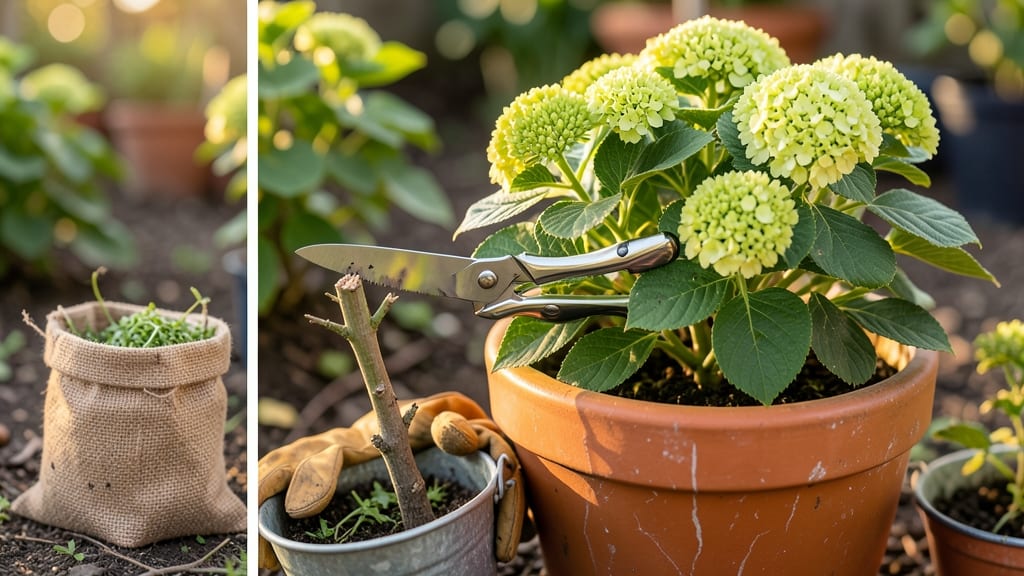
Pruning Little Lime Punch hydrangeas transforms your garden from ordinary to showstopping. ✂️ The secret lies in timing—late winter or early spring when the plant is dormant but buds are already forming.
One wrong cut and you’ll sacrifice next season’s vibrant lime-green blooms, but get it right and you’ll have bold, long-lasting flowers that steal the show. This isn’t about hacking branches randomly—it’s about strategic cuts that encourage strong growth.
You’ll need sharp pruners, gloves, and a clear plan to avoid over-pruning or leaving too many old stems. The goal? Stimulate fresh, healthy growth while preserving the plant’s natural shape.
After pruning, your hydrangea will reward you with lush, compact foliage and clusters of lime blooms that last well into fall. The key is patience—new growth takes a few weeks to emerge, but the payoff is worth it.
For those in colder climates, wait until after the last frost before pruning. And remember: less is often more. A little precision goes a long way in keeping Little Lime Punch thriving year after year.
📚 In This Guide
- What you need
- Instructions
- Tips and common mistakes
- Wrapping up and next steps
What you need
- ● Pruning shears – Bypass pruners (sharp, clean, and 1.5"–2" blade length) for clean cuts. Dull blades crush stems—no bueno!
- ● Loppers – For thicker stems (1"–2"). Look for ratcheting or bypass-style for ease.
- ● Hand pruners – For fine-tuning small branches (avoid anvil-style—they crush stems).
- ● Gloves – Garden gloves with grip (nitrile-coated for durability) to protect from thorns and sap.
- ● Disinfectant – Rubbing alcohol (70%+) or hydrogen peroxide (3%) to sterilize tools between cuts (prevents disease!).
- ○ Sharpie or plant marker – For labeling pruned branches (optional but helpful for tracking growth).
- ● Bucket or trash bag – For collecting pruned branches (keep your workspace tidy!).
- ● Safety glasses – If your hydrangea is near power lines or dense foliage (better safe than sorry!).
- ● Ladder or stool – If your plant is taller than 6 feet (extendable loppers help too!).
- ● Hose or spray bottle – To rinse tools and clean sap off cuts (keeps bacteria away).
- ○ Pruning sealant (optional) – For large cuts (1"+) to prevent disease (use tree wound paint if needed).
- ● Know your hydrangea type – Little Lime Punch is a mophead (big blooms) or lacecap variety. Mopheads bloom on new wood—prune after flowering!
- ● Wait for the right time – Prune in late winter or early spring (before new growth) or right after blooming (summer).
- ● Check the weather – Choose a dry, mild day (50°F–70°F) to avoid stressing the plant.
How to prune Little Lime Punch hydrangeas for stunning color
This vibrant variety thrives with the right cuts—here's my method for blooms that stay bold all season.
✂️ Step 1: Time Your Pruning for Peak Performance
Prune Little Lime Punch hydrangeas in late winter or early spring—just as new growth begins but before buds swell. This timing ensures you remove dead wood while preserving next season's flower buds. I wait until the first hints of green appear at the base of stems, signaling the plant's awakening.
Never prune in fall or during bloom time. Cutting back too early risks frost damage, while pruning too late removes next year's flower buds. For container plants, you can prune slightly later in spring since they warm up faster than in-ground shrubs.
🪴 Step 2: Prepare Your Tools and Assess the Shrub
Gather sharp, clean pruning shears and sterilize them with rubbing alcohol to prevent spreading disease. Examine the plant for dead, diseased, or crossing branches—these take priority. I look for stems that are brown inside when cut or show signs of fungal spots.
Identify last year's blooms—they'll be large, dried clusters. These are safe to remove completely. For Little Lime Punch, which blooms on new wood, you're actually encouraging fresh growth by making your cuts. Step back and visualize the plant's natural shape before making any cuts.
✂️ Step 3: Make Strategic Cuts for Airflow and Shape
Remove 1/3 of the oldest stems at ground level to rejuvenate the plant. These are the thickest, woody stems that no longer produce vibrant blooms. Cut just above a bud or leaf node at a 45-degree angle to prevent water from pooling. I make my cuts about 1/8 inch above the node to avoid damaging new growth.
For remaining stems, trim back to 4-6 inches from the ground or to a strong outward-facing bud. This encourages bushier growth and more abundant blooms. Avoid cutting into the center of the plant—this creates a dense, shaded interior that promotes disease. Aim for an open, vase-like shape that lets sunlight reach all stems.
☀️ Step 4: Post-Pruning Care for Vibrant Growth
Apply a balanced, slow-release fertilizer (10-10-10 ratio) around the base of the plant, keeping it 6 inches away from the stem. Water deeply to help the roots recover from pruning stress. I give my hydrangeas 1-2 gallons of water immediately after pruning, then monitor soil moisture—keeping it consistently damp but not soggy for the first 4-6 weeks.
Mulch with 2-3 inches of organic mulch (like shredded bark) to retain moisture and regulate soil temperature. This protects new growth from temperature swings. Place mulch 2 inches away from the stem to prevent rot. Watch for new shoots emerging within 2-3 weeks—this confirms your pruning was successful.
🌱 Step 5: Maintain Through the Growing Season
Pinch back new growth in late spring to encourage bushier plants. Simply remove the top 2-3 inches of the current season's growth with your fingers or shears. This prevents leggy stems and promotes more flower clusters. I do this when shoots reach 4-6 inches tall—just as they begin to harden.
Monitor for aphids or powdery mildew, common issues with hydrangeas. If you spot problems, treat immediately with neem oil or insecticidal soap. Deadhead spent blooms throughout summer to redirect the plant's energy into new growth rather than seed production. By late summer, your Little Lime Punch should be a lush, vibrant centerpiece ready for fall color.
Tips & tricks for perfect Little Lime Punch hydrangea pruning
Here's what nobody tells you about transforming your hydrangeas into a showstopper—these tricks make all the difference.
Timing is Everything: The late winter/early spring window is non-negotiable for Little Lime Punch. I've learned this the hard way after seeing plants struggle when pruned too early or late. Look for those first hints of green at the stem base—this signals the plant's awakening and ensures you're cutting at the perfect moment to preserve next season's blooms. For container plants, you can extend your window by about 10 days since they warm up faster, but don't push it beyond early spring.
Visualize Before You Cut: Step back and examine your plant's natural shape before making any cuts in Step 3. I always sketch a quick mental map of where stems are crossing or growing inward. This helps me decide which 1/3 of oldest stems to remove first. Think of it like editing a photograph—you're removing the distracting elements to highlight the star of the show. The goal is that open, vase-like shape that lets sunlight reach all stems equally.
Cutting Technique Matters: That 45-degree angle and 1/8-inch clearance above the bud in Step 3 aren't just suggestions—they're critical. The angle prevents water from pooling at the cut, which could cause rot. And that precise 1/8-inch clearance ensures you don't damage the bud below while still making a clean cut. I use a small ruler to measure this clearance when I'm teaching pruning classes, and people are always amazed at how much difference that tiny measurement makes.
Post-Pruning Care is Where Magic Happens: The 4-6 weeks after pruning are when you set your hydrangea up for success. I've seen dramatic differences in plant health when I've skipped the deep watering or forgotten the mulch. That 2-3 inches of organic mulch acts like a cozy blanket for your plant's roots, protecting against temperature swings. And don't skip the fertilizer—those roots need energy to support all that new growth you're encouraging with your cuts.
Pro Tips for Little Lime Punch Hydrangea Pruning
- Here's what nobody tells you about transforming your hydrangeas into a showstopper—these tricks make all the difference.
- Timing is Everything: The late winter/early spring window is non-negotiable for Little Lime Punch.
- Visualize Before You Cut: Step back and examine your plant's natural shape before making any cuts in Step 3.
Frequently asked questions
Got questions about pruning your Little Lime Punch hydrangea? You’re not alone! Here are some of the most common concerns—plus expert answers to keep your blooms thriving.
When is the best time to prune Little Lime Punch hydrangeas?
Prune your Hydrangea macrophylla ‘Little Lime Punch’ in late winter or early spring (before new growth starts). Avoid pruning in fall—it can stimulate tender growth that won’t survive winter. For deadheading (removing spent blooms), do it right after flowering to encourage more blooms next season.
How much should I cut back my Little Lime Punch hydrangea?
Cut back 1/3 of the oldest stems each year to promote new growth and vibrant blooms. For example, if your plant has 10 stems, prune 3-4 of the oldest ones down to the ground. Never cut more than 1/3—this can stress the plant and reduce flowering.
What if I prune at the wrong time and my hydrangea doesn’t bloom?
If you pruned too late (after buds formed in spring), don’t panic! These hydrangeas bloom on new wood, so they’ll still produce flowers—just wait until next year and prune in late winter. For immediate results, avoid heavy cuts until you’re sure the plant has finished blooming.
Can I use the same pruning techniques for other hydrangeas?
Not all hydrangeas are created equal! Little Lime Punch is a mophead type that blooms on new wood, so it’s pruned differently than panicle or oakleaf types. For example, panicle hydrangeas (like ‘Limelight’) bloom on old and new wood, so they need a gentler approach. Always check your variety’s needs!
What should I do if my hydrangea looks leggy after pruning?
Leggy growth often means the plant needs more sunlight or balanced fertilizer. After pruning, move it to a sunnier spot (but avoid harsh afternoon sun) and feed with a balanced 10-10-10 fertilizer in spring. Pinch back new growth tips in summer to encourage bushier growth.
Pro Tip:
Mark pruned stems with a flag or ribbon to track which ones you’ve cut—this helps avoid over-pruning in future years. Happy pruning!
Wrapping up and next steps
Mastering the art of pruning your Little Lime Punch hydrangea is your ticket to vibrant, show-stopping blooms that’ll turn heads all season long! 🌸 With the right tools, timing, and techniques, you’re well on your way to keeping your plant thriving and full of life.
Now that you’ve got the know-how, grab those shears and give your hydrangea the TLC it deserves—your future blooms will thank you!
Ready to take it further? Try experimenting with color variations by adjusting soil pH or explore other hydrangea varieties to expand your garden’s charm. Happy pruning!