
Pruning
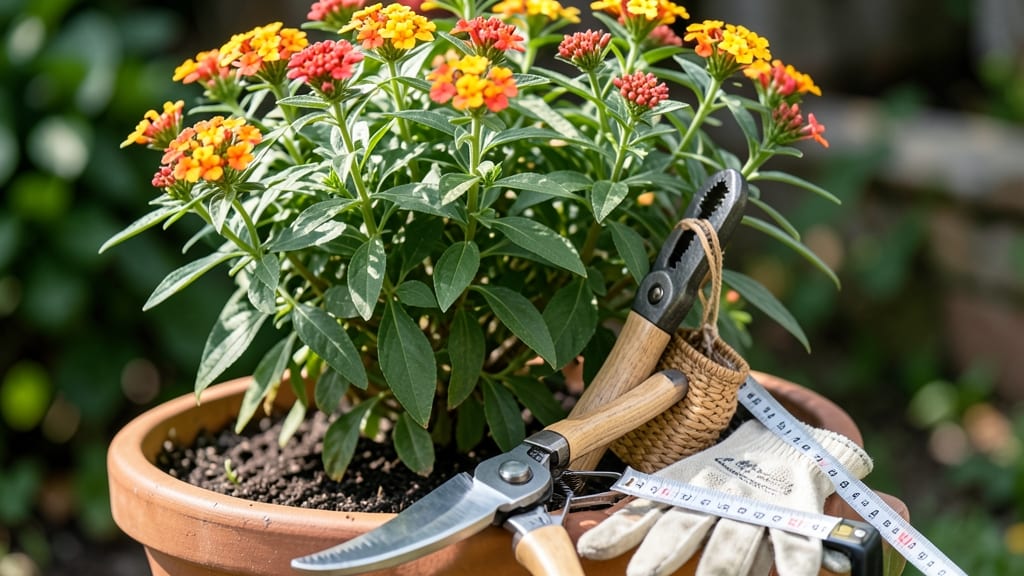
Pruning lantana plants transforms them from scraggly to showstopping in just 10 minutes. 🌸 I’ve watched my once-lanky bushes explode into dense, flower-covered shrubs after a single trim—it’s not magic, just the right cuts at the right time. The key?
Timing your prune to late winter or early spring, when new growth is about to burst, and using sharp pruners to avoid tearing stems. You’ll need only two tools: clean, sharp pruning shears and a bucket for clippings.
Start by removing any dead, diseased, or crossing branches—these are the first to go. Then, cut back leggy stems by about a third to encourage bushier growth, and shape the plant into a rounded form for better airflow and more blooms.
What you’ll end up with is a lantana that flowers nonstop from spring to frost, with vibrant clusters of yellow, pink, or orange blooms.
The more you prune, the more it rewards you with fresh new growth and even bigger flowers—it’s a self-perpetuating cycle once you get the hang of it. This method works year-round for shaping, but the heavy pruning in late winter sets the stage for the best blooms of the season.
Whether you’re dealing with a small patio plant or a sprawling landscape shrub, the same principles apply—just adjust the scale.
📚 In This Guide
- What you need
- Instructions
- Tips and common mistakes
- Wrapping up and next steps
What you need
- ● Pruning shears – Bypass-style (for clean cuts on stems up to ½-inch thick). Sharpness is key!
- ● Hand pruners – Anvil-style (for thicker stems, but may crush stems—use sparingly).
- ● Loppers – For stems ½-inch to 2-inches thick (extendable handles help with tall lantanas!).
- ● Gloves – Heavy-duty gardening gloves (lantana has tiny, sharp leaves that can irritate skin!).
- ● Disinfectant – Rubbing alcohol (70%+ isopropyl) or a garden disinfectant (to sterilize tools between cuts and prevent disease).
- ● Trash bag or bucket – For collecting pruned branches (lantana debris can be composted if disease-free!).
- ○ Rake or broom – Optional but helpful for clearing fallen debris post-pruning.
- ● Horticultural pruning oil – To seal cuts and reduce sap bleeding (especially useful for large cuts).
- ● Plant food or fertilizer – Balanced 10-10-10 or bloom booster (apply after pruning to encourage new growth).
- ● Stakes or plant ties – If reshaping heavily (to support new growth while it establishes).
- ● Safety glasses – If pruning near your face (tiny stems can snap back!).
How to prune lantana plants for year-round blooms
Lantana thrives when you prune it right—here’s how to keep it bushy and blooming all season.
✂️ Step 1: Prune for Shape in Early Spring
Start your pruning in early spring before new growth begins. Grab your sharp pruning shears and cut back the entire plant by one-third to encourage dense, bushy growth. This is the time to shape the plant—remove any dead, damaged, or crossing branches first. I like to make cuts just above a leaf node or bud to promote new shoots.
Watch for new green shoots emerging within 2-3 weeks—this signals your pruning worked. If you see leggy stems, you may need to prune a bit more aggressively next time. Avoid cutting into old, woody stems, as lantana blooms on new growth.
🌿 Step 2: Deadhead and Trim Throughout the Growing Season
Deadheading spent blooms keeps lantana producing flowers continuously. Pinch or cut off faded flowers with your fingers or shears—no need for precision here. I do this every 2-3 weeks during peak blooming season to maintain a tidy appearance and encourage more buds.
If your lantana looks overgrown or leggy, trim back the longest stems by half to balance the plant. You’ll notice new side shoots forming within 1-2 weeks, which will fill out the plant faster than waiting for it to outgrow the problem on its own.
⏰ Step 3: Light Pruning in Late Summer for Fall Blooms
In late summer, give lantana a light trim to remove any straggly growth or spent flowers. This encourages a second flush of blooms before fall. Cut back only the outermost stems by ¼ inch to promote fresh growth without shocking the plant.
If your lantana is in a warm climate, you can skip this step entirely—it may continue blooming without intervention. But if you’re in a cooler zone, this light pruning helps extend the blooming season. Watch for new buds forming along the stems within 10-14 days as a sign it’s working.
✂️ Step 4: Renewal Pruning in Late Winter
In late winter, just before new growth starts, do a renewal prune. Cut back all stems to 4-6 inches above the ground. This may seem drastic, but lantana is tough and will bounce back with vigorous new growth by spring. It’s the best way to rejuvenate older plants.
After pruning, keep the soil evenly moist but not soggy—lantana roots need time to establish before the growing season kicks in. You’ll see new shoots emerging within 3-4 weeks, signaling the plant is ready for warmer weather.
Tips & tricks for pruning lantana like a pro
Here's what nobody tells you about keeping lantana blooming all year—these tricks make all the difference.
Timing is Everything: The early spring pruning in Step 1 works best when you catch the plant just as it's waking up from dormancy. Look for those first tender green shoots—if your plant is still completely dormant, wait another week. I've learned the hard way that pruning too early can shock the plant when it's still conserving energy.
Tool Matters More Than You Think: Sharp pruning shears aren't just about clean cuts—they're about plant health. Dull blades crush stems instead of cutting cleanly, which invites disease. I keep a small pair dedicated just to lantana and sharpen them annually. For deadheading, even your fingernails work in a pinch, but shears give you more control for those stubborn stems.
Seasonal Strategy for Maximum Blooms: In Step 3, that light summer trim is where the magic happens for fall blooms. Focus on the outermost growth—this is where new buds form. I've found that cutting back just ¼ inch stimulates growth without stressing the plant. In warmer climates, you might skip this entirely, but in cooler zones, it's the secret to extending your blooming season.
Renewal Pruning Rescue: If your lantana has become woody and leggy, don't despair—the renewal prune in Step 4 is your lifeline. Cutting back to 4-6 inches might seem extreme, but lantana responds incredibly well. After my first renewal prune, I was amazed at how quickly it bounced back with fresh, vibrant growth. Just remember to keep that soil consistently moist during recovery.
Pro Tips for Prune Lantana Plants
- Here's what nobody tells you about keeping lantana blooming all year—these tricks make all the difference.
- Timing is Everything: The early spring pruning in Step 1 works best when you catch the plant just as it's waking up from dormancy.
- Tool Matters More Than You Think: Sharp pruning shears aren't just about clean cuts—they're about plant health.
Frequently asked questions
Got questions about pruning your lantana? You’re not alone—these vibrant plants can be tricky to tame! Here are answers to the most common queries to keep your lantana thriving and blooming beautifully.
When is the best time to prune lantana for maximum blooms?
Prune lantana lightly throughout the growing season (spring to fall) to encourage bushier growth and more flowers. For a hard prune, late winter or early spring—just before new growth starts—is ideal. Avoid heavy pruning in fall if you live in cold climates, as it may stunt recovery.
How much can I cut back my lantana without killing it?
Lantana is tough! You can safely cut back up to ⅔ of the plant in one go, especially if it’s woody or overgrown. For younger plants, aim for a 25-50% reduction to avoid stress. Always leave a few inches of growth—lantana regrows quickly from healthy stems.
What if my lantana stops blooming after pruning?
Lantana blooms best with regular light pruning (every 4-6 weeks) to remove spent flowers and encourage new growth. If blooms dwindle, check for:
- Over-fertilizing (too much nitrogen = leafy, no flowers).
- Shade (lantana loves 6+ hours of sun).
- Root-bound pots (repot if growing in containers).
Can I prune lantana in winter, or should I wait?
It depends on your climate! In mild winters (zones 9-11), light pruning is fine. In cold zones (8 or below), wait until after the last frost—pruning too early can damage dormant buds. If your lantana is woody and leggy, a light trim in late winter is better than nothing!
What do I do if my lantana looks leggy or sparse after pruning?
Leggy growth often means too much shade or infrequent pruning. To fix it:
- Move the plant to a sunnier spot (lantana thrives in full sun).
- Pinch back new growth tips to encourage branching.
- Fertilize lightly with bloom-boosting fertilizer (low nitrogen, high phosphorus).
- Water deeply but avoid soggy soil—lantana hates wet roots.
Is it safe to prune lantana if it has pests or diseases?
Yes! Prune infected or infested areas first to contain the problem. Sterilize your tools with rubbing alcohol between cuts. Remove yellowed, spotted, or mushy leaves/stems immediately. For pests (like aphids or whiteflies), spray with neem oil or insecticidal soap after pruning.
Wrapping up and next steps
Pruning your lantana plants doesn’t have to be intimidating—it’s all about timing, technique, and consistency! 🌿 With the right tools and a little patience, you’ll reward yourself (and your garden) with vibrant blooms all season long.
Whether you’re shaping for aesthetics or encouraging new growth, remember: confidence comes with practice.
Ready to take the next step? Grab your pruners and start experimenting! Try one pruning session this week, observe how your lantana responds, and adjust your approach as needed. Happy gardening—your future blooms will thank you! 🌸