
How To
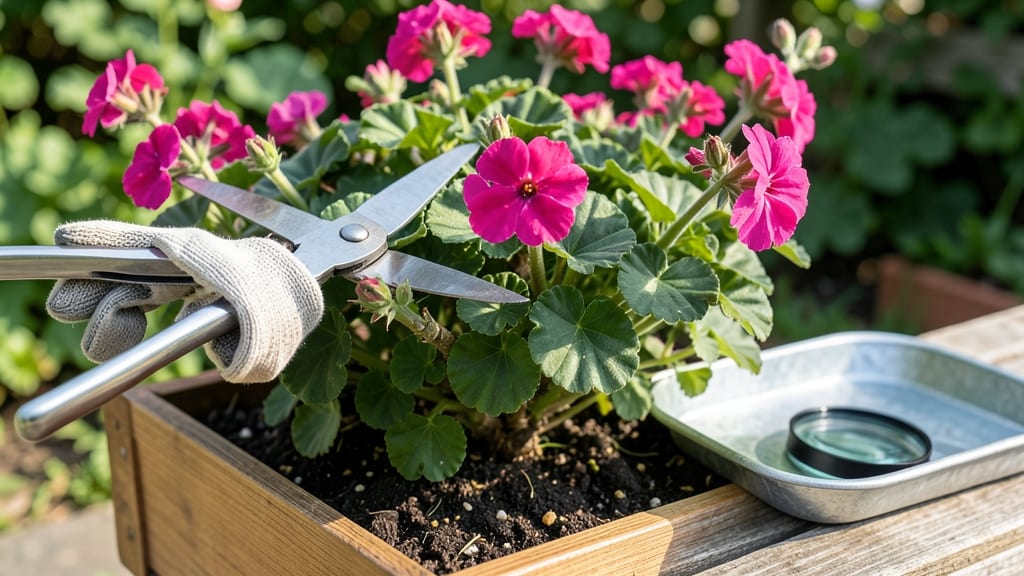
Pruning geraniums isn't just about trimming—it's the secret to nonstop summer blooms that put most garden centers to shame. 🌸 I've turned my leggy, sparse geraniums into lush, flower-covered bushes just by mastering three simple cuts at the right time.
The difference between a sad, sprawling plant and a vibrant, bushy one often comes down to when and how you prune.
Timing is everything: wait until after the last frost when new growth is already pushing through, then snip back by one-third to encourage compact growth. Grab your pruners, a pair of gloves, and a sharp pair of scissors—no fancy tools needed.
The key is cutting just above leaf nodes (those little bumps where leaves grow) to spark fresh shoots and more flowers. Aftercare is simple: water well, add a balanced fertilizer, and watch your geraniums transform into a blooming powerhouse by mid-summer.
📚 In This Guide
- What you need
- Instructions
- Tips and common mistakes
- Wrapping up and next steps
What you need
- ● Clean, sharp pruning shears (bypass pruners work best—avoid dull tools that crush stems!)
- ● Hand pruners or small bypass shears (for delicate trimming of smaller stems or flowers)
- ● Rubbing alcohol (70% isopropyl) or bleach solution (1 part bleach to 9 parts water) – sterilize tools before and after use to prevent disease.
- ● Gloves (gardening or nitrile gloves to protect hands from thorns and sap)
- ● Newspaper or cardboard (lay down a protective layer under plants to catch fallen debris)
- ● Compost bin or garden waste bag (for disposing of pruned material)
- ● Disinfectant spray (for tools if you’re pruning multiple plants)
- ● Plant food or fertilizer (balanced 10-10-10 or slow-release granules to boost post-pruning growth)
- ● Hose with a gentle spray nozzle (to rinse tools and clean up sap/stems)
- ● Notebook & pen (to jot down pruning notes like dates, cuts made, or plant responses)
- ● Choose the right time: Prune in early spring (before new growth) or late summer/early fall (to encourage another flush of blooms). Avoid pruning during frost or extreme heat.
- ● Identify healthy vs. dead growth: Look for green, firm stems (healthy) vs. brown, mushy, or hollow stems (remove these entirely).
- ● Check the weather forecast: Aim for a dry, sunny day (pruning on wet days can spread disease).
Step-by-Step guide to pruning geraniums for lush growth
Reviving your geraniums takes just a few minutes but transforms them from straggly to stunning.
✂️ Step 1: Time Your First Cut for Early Spring
Wait until after the last frost when new growth appears—usually late April or early May in most zones. I always check for 3-4 fresh leaves on stems before cutting; this ensures the plant has energy reserves to bounce back. Use sharp, clean pruners to avoid tearing stems.
Cut back one-third of the plant's height at a 45-degree angle, just above a leaf node where new growth will emerge. This encourages branching and prevents leggy stems. Don't worry if it looks drastic—geraniums respond beautifully to this shock treatment. I like to make my cuts just above a set of leaves where three stems meet; this spot has the most growth potential.
✂️ Step 2: Deadhead and Thin for Continuous Blooms
Throughout the growing season, remove spent blooms weekly to redirect energy into new flowers. Pinch off faded blooms with your fingers or snip the stem just above the next set of leaves. You'll notice within days that fresh buds form where you made the cut—this is your reward for staying on top of it.
Every 6-8 weeks, give your geraniums a light trim again, cutting back any overly long stems by half their length. This prevents the plant from becoming top-heavy and encourages a fuller shape. I always work in the morning when plants are hydrated; this reduces stress and helps them recover faster from pruning.
✂️ Step 3: Prepare for Winter with a Final Trim
When temperatures drop below 50°F at night and blooming slows, it's time for your final cut. Reduce the plant by half its current height, removing all but the strongest stems. This helps the plant focus its energy on root development rather than supporting weak growth. I like to leave about 4-6 inches of stem—enough to find next year's buds but not so much that it becomes unruly.
After trimming, give your geraniums a light feeding with balanced fertilizer to support new growth. Water deeply but allow the soil to dry slightly between waterings—geraniums hate soggy roots. If you're growing in containers, consider moving them to a sheltered spot or bringing them indoors before the first frost. A little winter protection goes a long way toward next year's performance.
Tips & tricks for perfect geranium pruning
A few strategic moves can transform your geraniums from scraggly to spectacular—here's what I've learned after years of trial and error.
Tool Selection: Never use dull scissors or your fingers for pruning. Invest in a pair of sharp, clean pruners—this prevents tearing stems and reduces stress on the plant. I sterilize my pruners with rubbing alcohol between plants to prevent disease transmission. For large-scale pruning, I've found that bypass pruners work best for clean cuts through thick stems.
Seasonal Timing Insight: The instructions mention late April or early May for your first cut, but here's the thing: if you're in a warmer climate (zones 8-10), you can start as early as March when you see those first fresh leaves. The key is waiting until after the last frost when nighttime temperatures consistently stay above 40°F. This timing ensures your plant has enough energy reserves to bounce back quickly from the shock of pruning.
Visual Growth Cues: When you're making those 45-degree cuts in Step 1, look for leaf nodes that have three stems emerging—this is where new growth will be most vigorous. These tri-junction points are your plant's growth powerhouses. I always make my cuts just above these nodes to maximize branching. If you can't see clear nodes, cut at a point where you see a slight bump or swelling in the stem.
Post-Pruning Care: After your major pruning sessions, give your geraniums a good drink of water—but don't overdo it. The soil should be moist but not soggy. I've found that watering in the morning gives plants time to dry out slightly during the day, which prevents fungal issues. For container geraniums, I like to add a handful of compost to the soil after pruning to replenish nutrients lost during the cutting process.
Pro Tips for Prune Geraniums
- A few strategic moves can transform your geraniums from scraggly to spectacular—here's what I've learned after years of trial and error.
- Tool Selection: Never use dull scissors or your fingers for pruning.
- The key is waiting until after the last frost when nighttime temperatures consistently stay above 40°F.
Frequently asked questions
Got questions about pruning geraniums? You’re not alone! Here are some of the most common concerns—and their answers—to keep your plants thriving and blooming all season long.
When is the best time to prune geraniums?
Prune geraniums in early spring (just before new growth starts) or after they finish blooming in early summer. Avoid heavy pruning in fall or winter, as it can stress the plant. For container geraniums, a light trim after each flush of blooms keeps them compact and encourages continuous flowers.
How much should I cut back my geraniums?
For a rejuvenating prune, cut back about one-third of the plant’s height. Remove leggy stems and dead flowers (deadheading) regularly to promote bushier growth. Avoid over-pruning—never trim more than half the plant at once, or you risk stunting new growth.
What if my geraniums look sad after pruning?
Don’t panic! Geraniums often look worse before they get better. After pruning, they’ll focus energy on new growth. Water lightly, keep them in bright (but indirect) light, and avoid fertilizing for 2–3 weeks. Yellow leaves? That’s normal—just trim them off to redirect nutrients to fresh foliage.
Can I prune geraniums in pots differently than garden ones?
Yes! Container geraniums need more frequent trims—pinch back tips every 4–6 weeks to encourage branching. Garden geraniums can handle a single spring/summer prune. Also, pots dry out faster, so water thoroughly after pruning to reduce shock. Drainage is key—never let them sit in soggy soil!
What if my geraniums don’t bloom after pruning?
Bloomless geraniums often need more light (at least 6+ hours of sun daily) or a balanced fertilizer (like 10-10-10) every 4–6 weeks. Over-pruning or underwatering can also delay flowers. Try a light trim (just deadheading) and monitor sunlight—most geraniums bounce back quickly with proper care!
Wrapping up and next steps
Pruning geraniums isn’t just about tidying up—it’s your secret weapon for vibrant, bushier blooms all season long! 🌸 By following these simple steps—trimming leggy stems, snipping spent flowers, and shaping with care—you’ll encourage healthier growth and a showstopping display.
Remember, the best time to prune is in the morning, and always use clean tools for the best results.
Now that you’re armed with the know-how, grab those shears and get pruning! Watch your geraniums transform into lush, flowering powerhouses. Ready for more gardening tips? Check out our guide on fertilizing for blooms next to keep those plants thriving all summer.