
How To
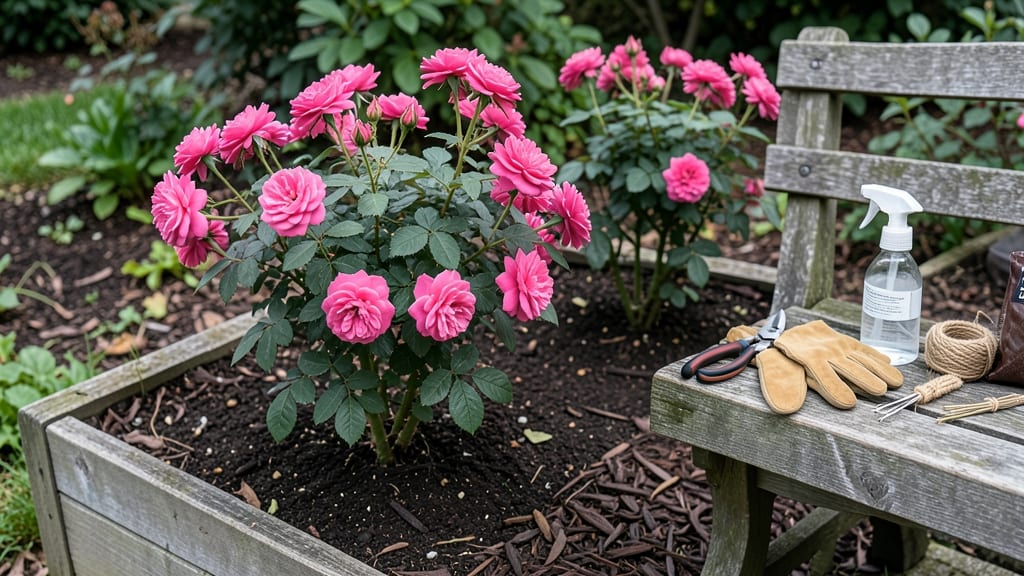
Pruning drift roses transforms them from scraggly shrubs into bold, bushy powerhouses of color. ✂️ I’ve pruned these roses for years, and the secret isn’t just cutting—it’s knowing when and where to make those snips for the most dramatic blooms all season long.
Start in late winter or early spring before new growth begins, using sharp pruners to remove dead, crossing, or weak branches first. Then shape the plant by cutting just above an outward-facing bud, leaving about ¼ to ⅓ of last year’s growth—this encourages strong new stems and prevents overcrowding.
The goal? A rounded shape with plenty of air circulation so those flowers pop like confetti.
📚 In This Guide
- What you need
- Instructions
- Tips and common mistakes
- Wrapping up and next steps
What you need
- ● Pruning shears (bypass pruners): Sharp, clean, and disinfected (70% isopropyl alcohol or bleach solution). Quantity: 1 pair (high-quality, like Felco or Fiskars).
- ● Loppers: For thicker stems (½"–1½" diameter). Quantity: 1 pair (long-handled for reach).
- ● Garden gloves: Heavy-duty, cut-resistant (e.g., Mechanix or leather). Quantity: 1 pair.
- ● Disinfectant solution: 1 part bleach to 9 parts water (or 70% isopropyl alcohol). Quantity: Small spray bottle or bucket.
- ○ Pruning saw: For stubborn, thick stems (optional but helpful for mature Drift roses). Quantity: 1.
- ● Rubbing alcohol (70% or higher): For sterilizing tools between cuts. Quantity: Small bottle.
- ● Trash bag or bucket: For collecting pruned debris. Quantity: 1–2.
- ● Hand pruners (for small stems): Ergonomic, like Corona or Gonicc.
- ● Knee pads: For comfort during long pruning sessions.
- ● Sharpie or marker: To label cuts if propagating.
- ● Rooting hormone: If you plan to propagate from cuttings.
- ● Hose or water spray: To clean tools mid-pruning.
Instructions for pruning drift roses: year-round shape secrets
Here’s the method I’ve used for years to keep my Drift roses blooming like crazy while maintaining that signature, low-growing mound. No guesswork—just clear steps and checkpoints.
✂️ Step 1: Prune After First Heavy Bloom
Wait until 3-4 weeks after the first flush of blooms has faded—this is your signal to prune. Drift roses bloom on old wood, so cutting back too early removes next year’s flower buds. Use clean, sharp bypass pruners to make cuts at a 45-degree angle, about ¼ inch above an outward-facing bud.
Remove any dead, diseased, or crossing branches first—they’re the biggest bloom thieves. I always start at the bottom and work upward, thinning out 25-30% of the oldest stems to encourage new growth. This keeps the plant compact and prevents overcrowding, which leads to fewer flowers.
✂️ Step 2: Light Summer Trim for Shape and Airflow
Every 4-6 weeks during the growing season, do a quick shape-up trim. Look for branches growing straight up or rubbing against others—these are your targets. Cut them back to the nearest outward bud to open up the center of the plant. Better airflow means fewer fungal issues and more blooms.
Never remove more than 10% of the plant’s foliage at once. You’ll know you’ve gone too far when you see bare spots or when new shoots look sparse. Drift roses are tough, but they’ll protest if you overdo it. A light touch keeps them lush and flowering.
✂️ Step 3: Clean Up After Final Fall Bloom
Once the last blooms of the season fade, it’s time for a final light prune. Cut back any dead or weak stems to 6-8 inches tall, but leave healthy stems alone—they’ll provide next year’s flowers. Remove any suckers (shoots growing from the base) to focus the plant’s energy on established growth.
Rake up and dispose of all fallen leaves and debris—this prevents pests and diseases from overwintering. I always finish by spraying the plant with a copper fungicide (if needed) to protect it through winter. This step is non-negotiable for keeping Drift roses thriving year after year.
✂️ Step 4: Minimal Winter Pruning (If Needed)
In colder climates, wait until late winter (just before new growth starts) to do any additional pruning. Remove any dead or damaged wood, but avoid heavy cuts—Drift roses are resilient, and drastic pruning in winter stresses them unnecessarily.
If your winters are mild, you can skip this step entirely. The key is to let the plant rest naturally. Once you see new buds swelling in early spring, that’s your cue to step back and let nature take over.
Tips & tricks for perfect drift rose pruning
Took me years to figure out these little details that make all the difference between a bush that just survives and one that thrives with bold, continuous blooms.
Timing Secret: Those 3-4 weeks after the first flush of blooms is your sweet spot for Step 1 pruning. I learned this the hard way after pruning too early and watching my roses bloom less the following year. The key is waiting until the petals have completely fallen—don't be fooled by faded but still-attached blooms. This timing ensures you're not cutting off next year's flower buds hidden in those old stems.
Pruning Angle Matters: When making those 45-degree cuts in Step 1, think of it like creating a little roof over each bud. This angle helps water run off the cut and prevents it from sitting on the bud, which could cause rot. I always visualize a raindrop sliding down the cut—if it pools, I know I need to adjust my angle. Also, make sure your bypass pruners are sharp—dull blades crush stems instead of cleanly cutting them, which invites disease.
Thinning Strategy: In Step 1, when you're thinning out 25-30% of the oldest stems, focus on the thickest, most woody branches first. These are the ones that have already done their job for multiple seasons. I like to work in sections, removing every other stem as I go upward. This creates that signature low, mounded shape Drift roses are known for while maintaining airflow. Remember, you're not just cutting back—you're sculpting the plant's future growth pattern.
Seasonal Shape-Up: For those 4-6 week summer trims in Step 2, I've found that a good rule of thumb is to never remove more than what you can hold in one hand at a time. This keeps the pruning manageable and prevents over-stressing the plant. I also use this time to check for any branches that have grown inward—these are the ones that will rub against each other and create wounds. Cutting them back opens up the center and prevents those unsightly (and disease-prone) scars.
Pro Tips for Prune Drift Roses
- Took me years to figure out these little details that make all the difference between a bush that just survives and one that thrives with bold, continuous blooms.
- Timing Secret: Those 3-4 weeks after the first flush of blooms is your sweet spot for Step 1 pruning.
- Pruning Angle Matters: When making those 45-degree cuts in Step 1, think of it like creating a little roof over each bud.
Frequently asked questions
Got questions about pruning drift roses? You’re not alone! Here are answers to the most common concerns—so you can confidently shape your roses for stunning, year-round blooms.
When is the best time to prune drift roses?
Prune drift roses twice a year: late winter/early spring (just before new growth starts) and after the first bloom (summer). Avoid pruning in fall—it can leave cuts vulnerable to disease over winter. For mild climates, light shaping in late summer also works!
How much should I cut back drift roses?
Drift roses are low-maintenance—cut back 1/3 to 1/2 of the plant’s height in spring. For summer pruning, trim just the faded blooms (deadheading) to encourage continuous flowers. Over-pruning can weaken the plant, so never remove more than 1/2 in one session.
What if my drift roses aren’t blooming after pruning?
Check these fixes:
- Light levels: Drift roses need full sun (6+ hours/day).
- Watering: Keep soil consistently moist (not soggy).
- Fertilizer: Use a balanced rose food in spring/summer.
- Disease: Prune out black spots or cankers with sterilized tools.
Can I prune drift roses in containers differently?
Container-grown drift roses follow the same rules, but watch for root-bound stress. Prune lightly in summer (just deadheading) to avoid shocking the plant. Repot every 2–3 years for fresh soil and better drainage—this boosts blooms!
What should I do if I prune at the wrong time?
Don’t panic! If you prune in fall or winter, the plant may struggle to regrow before cold sets in. Wait until spring to see if new growth appears. If not, lightly shape in early spring and focus on fertilizing and watering to recover.
Still unsure? Snap a photo of your roses and pruning cuts—we’re happy to help troubleshoot!
Wrapping up and next steps
Pruning drift roses doesn’t have to be intimidating—with the right tools, timing, and techniques, you’ll unlock vibrant blooms and lush growth all season long! 🌸 Remember to trim strategically, sanitize your tools, and adapt to your climate for the best results.
Now that you’re armed with these secrets, grab your shears and get ready to transform your garden.
Your next step? Mark your calendar for seasonal pruning sessions—start with a light cleanup in early spring, then refine as the seasons change. Happy pruning! ✂️💚