
Pruning
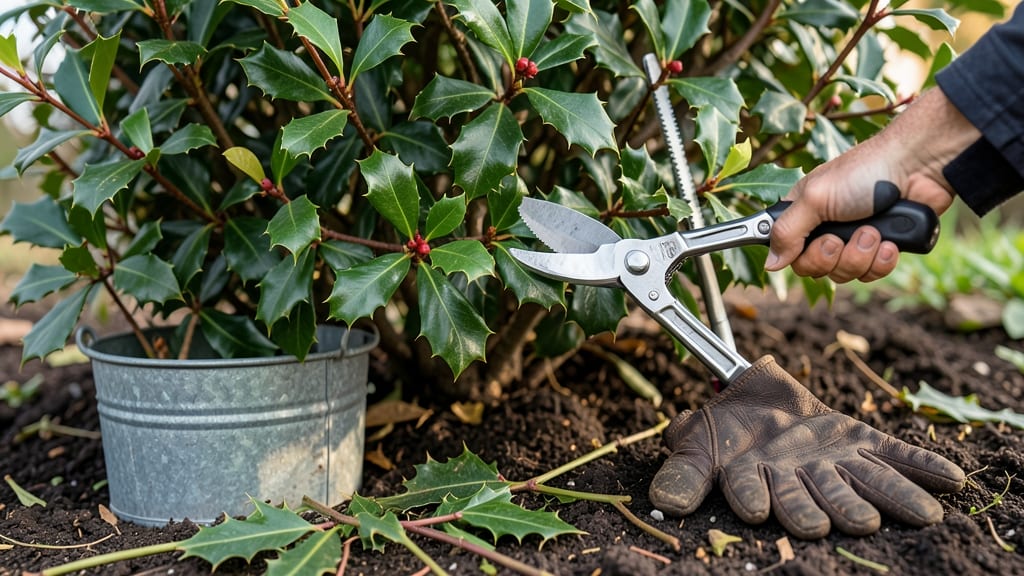
Pruning evergreen shrubs keeps them healthy and lush year after year—without the guesswork. I’ve pruned boxwoods, hollies, and junipers for over a decade, and the difference between a neglected shrub and a thriving one comes down to timing, technique, and a sharp pair of shears.
The right cuts encourage dense growth, prevent disease, and shape your shrubs into the foundation pieces of your landscape.
Most evergreens tolerate pruning anytime except deep winter, but spring and early summer are ideal for shaping. You’ll need bypass pruners, a hand saw for thicker branches, and a ladder if your shrubs are taller than your reach.
Start by removing dead or crossing branches first—these are your easy wins before tackling the finer details of form. The goal? Open up the center to let light and air circulate, which keeps your shrubs from looking leggy or disease-prone.
For a foolproof approach, prune just the tips of new growth to encourage bushier branches, or make clean cuts just above a leaf node for a more controlled shape. Rejuvenation pruning—cutting back older growth—works best in stages over a few years, especially for overgrown junipers or boxwoods.
You’ll see fuller growth within 6-8 weeks, and your shrubs will look like they’ve been professionally landscaped (without the hefty price tag).
Evergreens like boxwoods and hollies handle pruning best when you take it slow, while junipers and pines respond well to more aggressive shaping. The key is consistency—even a little maintenance every few months keeps your shrubs looking their best.
And if you make a mistake? Most evergreens bounce back surprisingly well, so don’t stress over imperfect cuts. Now, let’s get those shears ready!
📚 In This Guide
- What you need
- Instructions
- Tips and common mistakes
- Wrapping up and next steps
What you need
- ○ Pruning shears: Bypass pruners (for clean cuts on small branches, 5-7 inches long, stainless steel blades). Optional: Anvil pruners for thicker branches (up to ½ inch).
- ● Loppers: Bypass-style (for branches ½–1½ inches thick, extendable handles for reach).
- ● Pruning saw: Curved-tooth saw (for branches over 1½ inches thick, 10–12 inches long).
- ● Garden gloves: Cut-resistant, breathable (to protect hands from thorns and sharp edges).
- ● Ladder or step stool: Sturdy, non-slip (for reaching tall shrubs; ensure it’s rated for your weight).
- ● Disinfectant: Rubbing alcohol (70%+) or pruning sealant (to clean tools between cuts and prevent disease spread).
- ● Sharpener: Pruner file or oil stone (to keep blades razor-sharp for clean cuts).
- ● Tarp or drop cloth: Medium-sized (to collect debris and protect landscaping).
- ○ Marking twine or spray paint: Bright color (optional, for tagging branches to prune later).
- ● Safety glasses: Impact-resistant (to shield eyes from debris).
- ● Weather check: Prune on a dry, calm day (avoid windy or rainy conditions).
- ● Shrub knowledge: Identify your evergreen type (e.g., boxwood, juniper, or holly) to tailor pruning timing and techniques.
- ● Clean workspace: Remove weeds, rocks, or debris around the shrub to avoid tripping or damaging tools.
Step-by-Step guide to pruning evergreen shrubs for year-round health
Here’s how I transform overgrown evergreens into vibrant, structured shrubs that stay lush all year.
Identify the Best Time for Your Evergreen Type
Timing is everything—prune most evergreens in late winter or early spring before new growth begins. This is when the plant is dormant but about to wake up, making it less stressful. For broadleaf evergreens like rhododendrons or boxwoods, prune after flowering to avoid cutting off next year’s blooms. Needle evergreens like pines or spruces should be pruned in late summer to prevent disease spread during wet spring conditions.
Check your shrub’s growth pattern first: if it’s leggy or overcrowded, prune now. If it’s still recovering from last year’s pruning, wait until next season. The key is to avoid heavy pruning in fall or winter—this can leave branches vulnerable to cold damage and pests.
Assess the Shrub’s Structure and Health
Start by examining the shrub from all sides to spot dead, diseased, or crossing branches. Use sharp pruning shears to make clean cuts just outside the branch collar—the swollen area where the branch meets the trunk. This ensures the wound heals properly. Remove any branches that are rubbing against others or growing inward, as these compete for sunlight and nutrients.
Look for yellowing or brown needles—these indicate stress or disease. If you find them, prune those sections first. Healthy evergreens have firm, green foliage with no signs of pest damage. If the center is bare, it’s a sign of overgrowth, and you’ll need to thin out the interior to improve airflow and light penetration.
Thin Out and Shape Gradually
Evergreens respond best to gradual shaping—never remove more than one-third of the shrub’s foliage in a single session. Start by thinning the interior first, cutting back branches that are growing toward the center. This opens up the shrub and encourages new growth on the outside. Use hand pruners for small branches and loppers for thicker stems—never use hedge trimmers, as they create jagged cuts that heal poorly.
For shaping, follow the shrub’s natural form. If it’s a rounded shrub, make cuts at 45-degree angles just above a leaf or bud. Avoid cutting into old wood—evergreens don’t regrow from bare stems. Step back frequently to check your progress. The goal is to maintain the shrub’s natural silhouette while improving its density and health.
Clean Up and Monitor for Recovery
After pruning, sterilize your tools with rubbing alcohol to prevent spreading disease. Collect and dispose of all clippings—never leave them on the ground, as they can harbor pests. Water the shrub deeply to help it recover, especially if you’ve made significant cuts. Mulch around the base with 2-3 inches of organic mulch to retain moisture and protect roots.
Watch for new growth in 4-6 weeks. If the shrub looks stressed, avoid fertilizing—wait until it shows signs of recovery. Over time, you’ll notice denser foliage and a more defined shape. For large evergreens, repeat this process every 2-3 years to maintain health. The key is patience—evergreens grow slowly, so gradual pruning keeps them thriving for decades.
Tips & tricks for pruning evergreen shrubs like a pro
Transforming overgrown evergreens into healthy, structured plants requires precision—and these insider tips will elevate your pruning game from good to exceptional.
Timing is Everything: The late winter/early spring window isn't just ideal—it's critical. This dormant period allows the plant to recover quickly, but here's what I've learned: if your shrub is leggy, don't wait for perfect timing. Prune now, just be gentle. For broadleaf evergreens like rhododendrons, mark your calendar for right after flowering—this ensures you won't accidentally remove next year's blooms. I've seen too many gardeners miss this window and end up with bare stems.
Precision Cuts Make All the Difference: When you reach Step 2 and begin assessing structure, remember this: your cuts should be surgical. The branch collar—the swollen area where the branch meets the trunk—is your target zone. Cut just outside it, and you'll promote faster healing. I've made the mistake of cutting too close to the trunk, and those wounds take forever to close. Also, always cut at a 45-degree angle just above a leaf or bud when shaping—this encourages new growth in the right direction.
Gradual Pruning Prevents Stress: The one-third rule in Step 3 isn't arbitrary—it's based on plant biology. Evergreens can't recover from drastic haircuts. I've seen gardeners remove half the foliage in one session, and within weeks, those plants looked like they'd been through a storm. Start with the interior branches growing toward the center—they're competing for sunlight and nutrients. This opens up the plant while encouraging outward growth. And never, ever use hedge trimmers—they create jagged wounds that invite disease.
Recovery Care is Where the Magic Happens: After pruning, your work isn't done. Sterilizing tools with rubbing alcohol prevents disease spread, but the real secret is in the follow-up care. That 2-3 inch layer of organic mulch isn't just decorative—it creates a protective barrier that retains moisture and regulates soil temperature. I've seen pruned evergreens recover in just 4-6 weeks when given proper aftercare, but neglected ones struggle for years. And here's a pro tip: if your shrub looks stressed after pruning, resist the urge to fertilize—wait until you see new growth before adding nutrients.
Pro Tips for How Do You Prune Evergreen Shrubs
- Transforming overgrown evergreens into healthy, structured plants requires precision—and these insider tips will elevate your pruning game from good to exceptional.
- Timing is Everything: The late winter/early spring window isn't just ideal—it's critical.
- Precision Cuts Make All the Difference: When you reach Step 2 and begin assessing structure, remember this: your cuts should be surgical.
Frequently asked questions
Got questions about pruning evergreen shrubs?
You’re not alone! Here are some of the most common concerns—and straightforward answers—to keep your shrubs thriving year-round.
When is the best time to prune evergreen shrubs?
Timing depends on your shrub type! For most evergreens, late winter or early spring (just before new growth starts) is ideal. Flowering evergreens (like azaleas) should be pruned right after blooming to avoid cutting off next year’s flowers. Avoid heavy pruning in late summer or fall, as it can stress the plant.
Do I need special tools to prune evergreen shrubs?
Not necessarily! Basic hand pruners or loppers work for small shrubs, but larger branches may need bypass pruners or a pruning saw. Always sterilize tools with rubbing alcohol to prevent disease spread. Pro tip: Sharpen blades annually for cleaner cuts!
What if I prune too much? Can I fix over-pruned evergreens?
Over-pruning can shock the plant, but don’t panic! If you’ve cut back more than 1/3 of the shrub, focus on light maintenance pruning in the following seasons. Water deeply, avoid fertilizing, and monitor for new growth. Some evergreens (like junipers) may recover slowly—patience is key!
Should I prune evergreens in winter?
Light pruning (removing dead or damaged branches) is fine in winter, but avoid heavy cuts. Cold weather can stress fresh wounds, making them vulnerable to pests or disease. If you must prune, choose mild winter days (above freezing) and avoid frost exposure.
How do I prune evergreens for a fuller shape?
For a denser look, prune selectively—cut back outer branches to encourage inner growth. Use the “thinning-out” method: Remove entire branches at the base rather than trimming tops. This improves airflow and sunlight penetration, preventing fungal issues.
Wrapping up and next steps
Pruning evergreen shrubs doesn’t have to be intimidating—with the right tools, timing, and techniques, you’ll keep them lush, healthy, and beautifully shaped all year long. 🌿 Whether you’re tackling overgrowth in spring or refining their form in late winter, remember: confidence comes with practice.
Start small, observe your shrubs’ response, and soon you’ll master the art of year-round pruning.
Ready to take the next step? Grab your pruners and schedule a pruning session—your evergreens (and your garden’s curb appeal!) will thank you. Happy pruning!