
Pruning
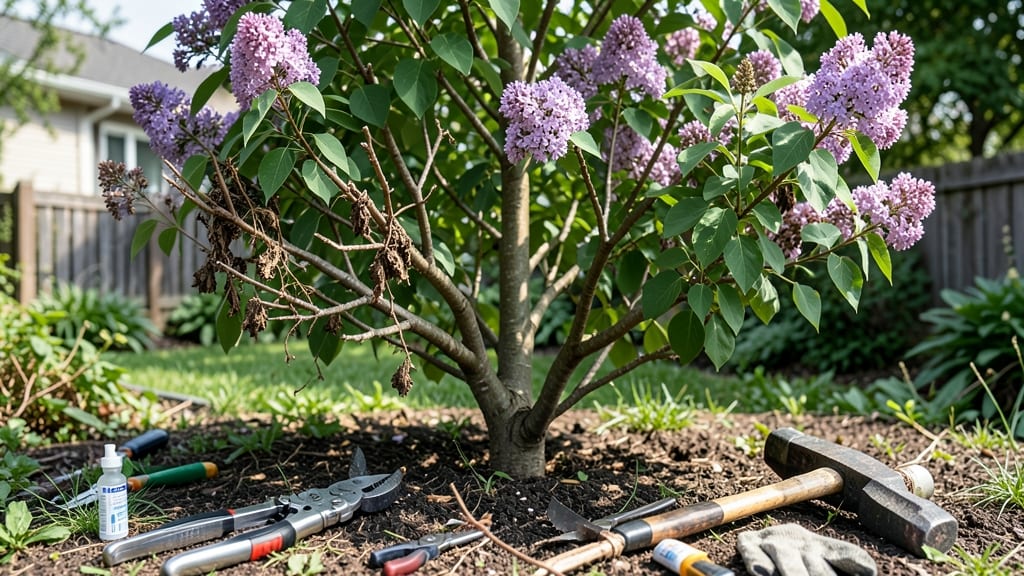
Pruning a lilac tree in late winter unlocks its boldest blooms next spring. ✂️ I’ve watched my own lilacs go from scraggly to showstopping after mastering this timing—it’s all about cutting back just enough to encourage fresh growth without sacrificing next year’s flowers.
The secret lies in three simple steps: first, remove any dead or crossing branches to open up the center. Then, trim back last year’s growth by about one-third to a bud that faces outward.
Finally, shape the tree into a rounded form—this isn’t about perfection, but about letting sunlight reach the center for stronger blooms.
You’ll see new shoots emerge within 4-6 weeks, and by late spring, your lilac will burst with fragrant, vibrant blooms that last for weeks. The best part? This method keeps your tree healthy for decades, not just one spectacular season.
Works for both small shrubs and mature trees—just adjust the tools (loppers for thick branches, hand pruners for fine trimming). Here’s how to do it right the first time.
📚 In This Guide
- What you need
- Instructions
- Tips and common mistakes
- Wrapping up and next steps
What you need
- ● Pruning shears – Sharp, bypass-style shears (3–5 inches) for small branches.
- ● Loppers – Long-handled (20–24 inches) for thicker branches (½–1½ inches in diameter).
- ● Pruning saw – For branches thicker than 1½ inches (avoid bolt cuts!).
- ● Disinfectant (70% isopropyl alcohol or bleach solution) – Wipe tools between cuts to prevent disease spread.
- ● Gloves – Heavy-duty, cut-resistant gloves to protect your hands from thorns and sap.
- ● Safety glasses – Protect your eyes from flying debris (trust us, it happens!).
- ● Ladder or step stool – Sturdy and tall enough to reach the tree’s highest branches safely.
- ● Trash bags or bucket – For collecting pruned branches (compost later if disease-free!).
- ● Hand pruners with ratcheting mechanism – Makes cutting thicker branches easier with less effort.
- ● Pole saw – Extendable for high branches without a ladder (great for large lilacs!).
- ● Marking spray or tape – Helps visualize cuts before you start (useful for beginners!).
- ● Rubbing alcohol wipes – Quick cleanup for tools between cuts.
- ● Pruning sealant – Only use on large cuts (½ inch or thicker) to prevent disease entry.
Step-by-step instructions for pruning a lilac tree
Here's the method I rely on to keep my lilacs flowering like crazy year after year.
✂️ Step 1: Time Your Pruning for Maximum Blooms
Prune your lilac tree immediately after it finishes flowering but before new growth appears—typically in late winter or early spring when buds swell but leaves haven't emerged. This timing ensures you don't cut off next year's blooms, which form on last year's growth. If you prune too early, you risk damaging buds; if too late, you risk cutting off new flower buds.
I know it's tempting to prune in fall, but lilacs are late bloomers, and fall pruning removes next year's flowers. Watch for the first signs of bud swell—those fat, plump buds are your cue to grab the shears. If you miss this window, wait until just after blooming, but expect fewer flowers that season.
✂️ Step 2: Remove Dead, Diseased, or Weak Wood First
Start by cutting out any dead, diseased, or crossing branches—these are your first priorities. Dead wood is easy to spot: it's dry, brittle, and won't bend. Diseased branches often have dark spots, oozing sap, or unusual growths. Cut these back to the main trunk or a healthy lateral branch. You'll see a clear difference in the tree's health once these are removed.
Next, look for branches that cross or rub against each other. These create wounds where pests and diseases can enter. Snip the weaker of the two branches at its base. I always make my cuts just outside the branch collar—the swollen area where the branch meets the trunk—to promote faster healing. Use clean, sharp pruners to avoid tearing the bark.
✂️ Step 3: Thin Out the Center for Better Airflow
Lilacs naturally grow dense, which can lead to crowded centers with poor airflow. Step back and look at the tree's shape—you're aiming for an open, vase-like form. Start thinning from the inside out, removing branches that grow inward or downward. These branches compete for sunlight and nutrients, weakening the tree and reducing flower production.
Cut branches back to their point of origin or a healthy lateral branch. Avoid leaving stubs—always cut just outside the branch collar. I like to thin about one-third of the oldest wood each year to encourage new growth while maintaining the tree's structure. You'll notice the tree's center opens up, allowing sunlight to reach all parts of the canopy.
✂️ Step 4: Shape the Outer Branches for a Balanced Look
Now focus on the outer branches to refine the tree's shape. Lilacs respond well to light pruning, so avoid heavy cutting—just enough to maintain a balanced, natural form. Start at the top and work your way down, cutting back branches that grow too long or spoil the tree's symmetry. Aim to keep the lowest branches about 3-4 feet off the ground for easy maintenance.
If a branch is too long, cut it back to a lateral branch that grows outward. This encourages the tree to fill out rather than grow leggy. I always step back frequently to check the tree's balance—you want a shape that looks full but not overcrowded. Avoid cutting more than one-third of the tree's total growth in a single year, or you risk stressing the plant.
🪴 Step 5: Clean Up and Monitor for New Growth
After pruning, rake up and dispose of all clippings—don't leave them on the ground, as they can harbor pests and diseases. Sterilize your shears with rubbing alcohol to prevent spreading any pathogens to other plants. Once the tree is pruned, water it deeply to help it recover, especially if the weather is dry.
Watch for new growth in the coming weeks—that's your sign the tree is healing well. If you see any signs of stress, like wilting leaves or unusual spots, adjust your care accordingly. Lilacs are tough, but they appreciate a little extra attention after a big pruning. With the right timing and technique, your tree will reward you with bold, fragrant blooms next season.
Tips & tricks for perfect lilac tree pruning
Real talk: Pruning lilacs wrong can mean fewer blooms next year. These tricks help you get it right the first time.
Timing is Everything: The late winter/early spring window is critical because lilacs bloom on old wood. If you prune too early, you risk cutting off next year's flower buds that form on last year's growth. I've missed this window twice—once in early spring when buds were still tight, and once in late spring when new leaves had already emerged. Both times, I got fewer blooms the following year. Look for those fat, swollen buds that haven't opened yet—that's your perfect cue.
Branch Collar Matters: Always cut just outside the branch collar (that swollen area where the branch meets the trunk) to promote faster healing. I used to make clean cuts right at the collar, which left ugly wounds that took forever to heal. The collar contains healing cells that help the tree recover. Think of it like how a paper cut heals faster when you don't tear the skin—same principle applies here. Use sharp pruners to avoid tearing the bark.
Thinning vs. Topping: Never top your lilac—that's cutting the top flat to make it shorter. This creates a bushy but weak tree that produces fewer flowers. Instead, focus on thinning from the inside out to improve airflow. I learned this the hard way after seeing a neighbor's lilac turn into a dense, flowerless mess after aggressive topping. Aim for that open vase shape where sunlight can reach all parts of the canopy. You'll notice a dramatic difference in next year's blooms.
Cleanup is Critical: After pruning, dispose of all clippings immediately—don't leave them on the ground. They can harbor pests and diseases that will infect your tree. I sterilize my shears with rubbing alcohol between cuts too, especially if I've been working with diseased branches. It's a small effort that prevents big problems later. Once you're done, give your tree a deep watering to help it recover, especially if the weather's been dry.
Pro Tips for Prune A Lilac Tree
- Real talk: Pruning lilacs wrong can mean fewer blooms next year. These tricks help you get it right the first time.
- Timing is Everything: The late winter/early spring window is critical because lilacs bloom on old wood.
- Branch Collar Matters: Always cut just outside the branch collar (that swollen area where the branch meets the trunk) to promote faster healing.
Frequently asked questions
Got questions about pruning your lilac tree? You’re not alone! Here are some of the most common concerns—plus clear, no-fuss answers to keep your lilac thriving.
When is the absolute best time to prune lilacs?
The golden window is late winter to early spring—right after the worst cold snaps but before buds swell (usually February–March in most zones). Pruning too early risks frost damage, while pruning too late can cut off next year’s blooms. Think of it as a race against spring’s arrival!
What if I missed the late-winter deadline? Can I still prune?
Yes, but with caution! If buds have already formed, avoid heavy pruning—just trim back dead or overgrown branches to maintain shape. Never prune after blooms fade (late spring/early summer), as lilacs set next year’s flowers on current growth. Patience pays off!
How much can I cut back? Will my lilac die if I prune too hard?
Lilacs are tough! You can safely remove up to one-third of the oldest wood (branches over 3 years old) to rejuvenate the tree. Focus on thinning out crowded stems and shaping the canopy. Just avoid topping (cutting flat across the top)—this stresses the tree and encourages weak growth.
Why did my lilac stop blooming after pruning?
Lilacs bloom on old wood, so pruning too late (after buds form) or cutting back all the branches can reduce flowers. If this happens, adjust your timing next year—prune in late winter and avoid heavy cuts. Give it a season to recover; lilacs often bounce back stronger!
Do I need special tools, or will regular pruners work?
Basic hand pruners or loppers are perfect for small branches, but for thicker stems (over 1 inch), invest in bypass pruners or a pruning saw. Sterilize tools with rubbing alcohol between cuts to prevent disease. Pro tip: Sharp tools = cleaner cuts = faster healing!
Wrapping up and next steps
Pruning your lilac tree in late winter isn’t just about tidying up—it’s your secret weapon for vibrant blooms and a healthier plant! 🌸 By following these steps, you’ll encourage strong growth, prevent overcrowding, and keep those fragrant flowers coming back year after year.
Now that you’re armed with the how and when, there’s no better time to grab those pruners and get to work!
Ready to see your lilac tree thrive? Mark your calendar for late winter or early spring—and don’t forget to admire those stunning blooms as your reward! 🌿✨