
Pruning
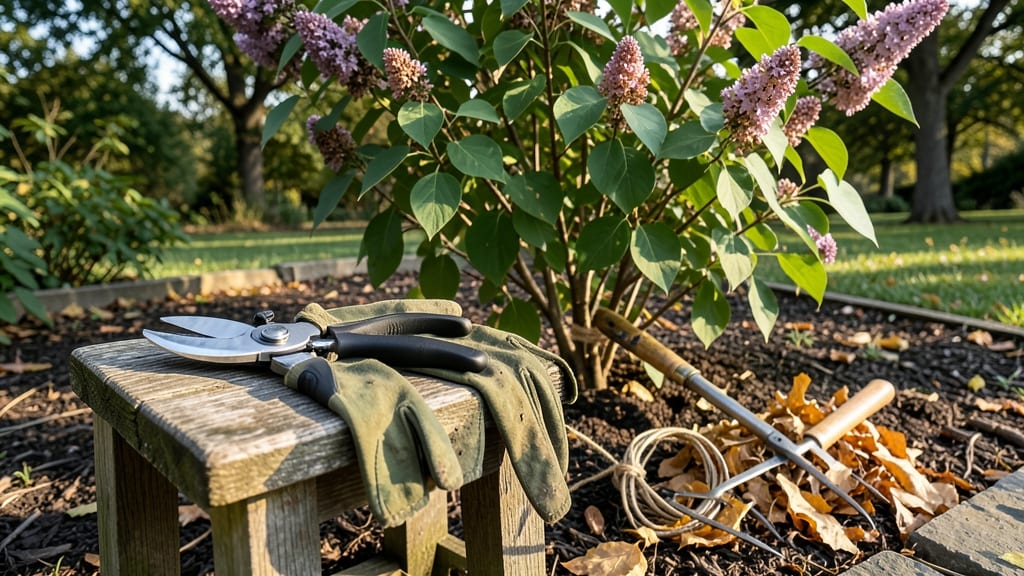
Fall pruning lilacs isn't just about shaping—it’s about setting up next year’s blooms while keeping your shrub healthy through winter. ✂️ I’ve learned the hard way that timing matters: prune too early, and you risk encouraging new growth that won’t survive frost; wait too long, and the plant stores energy for next season instead of preparing for dormancy.
The sweet spot is right after flowering, but before late September in most climates.
Here’s the trick: you’re not just cutting branches—you’re sculpting the plant’s future. Focus on removing dead, crossing, or weak stems first, then thin out one-third of the oldest wood to encourage fresh growth.
Use clean, sharp pruners to avoid tearing, and make cuts just above a bud or lateral branch. The goal? A balanced shape that lets sunlight and air circulate freely, reducing disease risk.
What you’ll end up with is a lilac bush that blooms harder and longer next spring, with fewer leggy stems and more vibrant clusters. The fall pruning also prevents pests from hiding in dense foliage over winter.
Plus, your shrub will look neater and more intentional—no more wild, overgrown tangles. Think of it as a reset button for your lilacs.
Regional differences matter: in warmer zones (7-9), you can prune slightly later, but in colder climates (3-6), aim to finish by mid-September to avoid frost damage.
And here’s the golden rule—never remove more than one-third of the plant in a single season, or you’ll stress it out. Now, grab your tools and let’s get pruning!
📚 In This Guide
- What you need
- Instructions
- Tips and common mistakes
- Wrapping up and next steps
What you need
- ● Pruning shears (bypass or anvil type) – Choose sharp, high-quality shears (8-10" blades) for clean cuts. Bypass shears are ideal for lilacs.
- ● Lopping shears (for thicker branches) – Opt for a 16-20" pair with a comfortable grip for branches ½" to 2" in diameter.
- ● Hand pruners (for fine-tuning) – Smaller, ergonomic pruners (6-8") for delicate trimming.
- ● Gloves (gardening or cut-resistant) – Protect your hands from thorns and rough branches.
- ● Disinfectant (rubbing alcohol or pruning sealant) – 70% isopropyl alcohol to clean tools between cuts and prevent disease spread.
- ● Heavy-duty trash bags or bucket – For collecting pruned branches and debris.
- ● Ladder (if needed) – A stable, extendable ladder (6-10 ft) for taller lilac bushes.
- ● Notebook & pen – To sketch your lilac’s shape or track pruning progress.
- ● Pruning saw (for stubborn branches) – A curved-tooth saw for thick, woody stems.
- ● Hose or spray bottle – To rinse tools and remove sap after pruning.
- ● Knee pads or stool – For comfort if you’re working on the ground.
- ● Plant food or compost – To nourish lilacs post-pruning (apply in early spring).
Step-by-Step instructions for pruning lilacs in the fall
Here's the precise timing and technique I've used for years to keep my lilacs flowering like clockwork.
✂️ Step 1: Wait for the Right Time
Prune lilacs immediately after they finish blooming but no later than late July—this is critical. The buds for next year's flowers form right after the current blooms fade, so cutting too early removes next season's potential. Watch for browned flower heads to signal the perfect window.
If you missed it this summer, fall is your second chance—but only if your climate stays mild. In zones 6 and colder, wait until spring to avoid winter dieback from fresh cuts. In warmer zones, you can prune now, but avoid heavy cuts that stress plants before winter.
✂️ Step 2: Remove Dead and Weak Wood
Start by cutting out any dead, diseased, or crossing branches first. These compete with healthy growth and harbor pests. Use clean, sharp pruners to make cuts just outside the branch collar—the swollen area where the branch meets the trunk. This prevents unsightly stubs that invite rot.
Look for branches thinner than a pencil or growing inward. These won't produce strong blooms and crowd the center. Remove them entirely at the base. I always work from the inside out—this opens up the center for better airflow and sunlight penetration, which prevents fungal issues.
✂️ Step 3: Shape the Plant for Next Year's Blooms
Lilacs bloom on old wood, so never cut back more than one-third of the plant's height. Focus on thinning rather than shearing. Select the strongest, most upright branches and shorten them by one-third to encourage a bushier form. Make cuts just above a bud or lateral branch growing outward.
Step back frequently to check the shape. You want a rounded, open center—not a dense, shaded interior. Avoid cutting into the center unless absolutely necessary. Lilacs naturally grow in clusters, and preserving that shape ensures better blooms next spring.
🌿 Step 4: Clean Up and Prepare for Winter
Rake up all pruned branches and dispose of them in the trash—not the compost pile. Lilac debris can harbor borers and fungal spores that overwinter. Sterilize your pruners with rubbing alcohol between cuts if you worked on diseased branches.
Apply a 2-3 inch layer of mulch around the base (but not touching the trunk) to protect roots from freeze-thaw cycles. This is especially important in colder climates. Water deeply before the first hard frost to help roots establish before dormancy.
⏰ Step 5: Monitor for Spring Growth
In early spring, check for new growth. If you see pale green shoots emerging from the base, your pruning was too aggressive. Lilacs are resilient but need time to recover. Next year, reduce cuts by half and focus on thinning only.
For established plants, you'll see strong, dark green buds forming by late winter. This is your confirmation that next year's blooms are already developing. Avoid fertilizing after pruning—it encourages tender new growth that won't survive winter.
Tips & tricks for pruning lilacs in the fall
Real talk: Even experienced gardeners sometimes overlook these details that make all the difference between decent blooms and showstopping flowers next spring.
Timing is Everything: That late July window isn't just a suggestion—it's when lilacs begin forming next year's flower buds. If you prune too early, you're cutting off potential blooms before they form. In Step 1, watch for flower heads to turn completely brown and crispy before you touch your pruners. This visual cue is your green light to begin.
Tool Prep Prevents Problems: Before you make a single cut, sterilize your pruners with rubbing alcohol (Step 4). I've seen fungal infections spread through unsterilized tools that were used on diseased branches first. For stubborn cuts, I keep a small bottle of alcohol in my gardening belt—quick sterilization between cuts prevents cross-contamination that can linger for years.
Shape Matters More Than Size: In Step 3, resist the urge to shear back to a neat shape. Lilacs bloom on old wood, so focus on thinning out crowded branches rather than reducing overall height. The goal is to create an open center that lets sunlight reach all parts of the plant. I always step back every few cuts to visualize the plant's natural shape—it's the difference between a manicured hedge and a thriving shrub.
Winter Prep is Non-Negotiable: That 2-3 inch layer of mulch (Step 4) isn't just decoration—it's insulation. In colder zones, mulch protects roots from freeze-thaw cycles that can crack root systems. I've seen lilacs survive harsh winters with proper mulching that would otherwise struggle. Just remember to keep mulch away from the trunk to prevent rot.
Pro Tips for Pruning Lilacs In The Fall
- Real talk: Even experienced gardeners sometimes overlook these details that make all the difference between decent blooms and showstopping flowers next spring.
- Timing is Everything: That late July window isn't just a suggestion—it's when lilacs begin forming next year's flower buds.
- Tool Prep Prevents Problems: Before you make a single cut, sterilize your pruners with rubbing alcohol (Step 4).
Frequently asked questions
Got questions about pruning lilacs in the fall? You’re not alone! Here are some of the most common concerns—and their answers—to help you tackle your lilacs with confidence.
Why should I prune lilacs in the fall instead of spring?
Fall pruning (after blooming but before hard frost) encourages stronger root growth over winter, while spring pruning risks cutting off next year’s flower buds. Lilacs bloom on old wood, so late-season trimming gives them time to recover before dormancy. Plus, it’s easier to see the plant’s structure with no leaves!
When exactly is the best time to prune lilacs in fall?
Prune lilacs 4–6 weeks after flowering (typically late September to early October in most U.S. zones). Aim for a frost-free window—wait until temps stay above 40°F (4°C) for a few days to avoid stressing the plant. If you miss fall, hold off until early spring (before buds swell).
How much can I cut back lilacs without harming them?
For most lilacs, never remove more than 1/3 of the plant’s height in a single pruning. Focus on shaping by trimming 1–2 inches above a bud or side branch. Over-pruning weakens the plant and may reduce next year’s blooms. Older lilacs can be rejuvenated by cutting back 1/3 of the oldest stems over 2–3 years.
What if it rains or gets too cold before I finish pruning?
Don’t stress! Lilacs are hardy and can handle light pruning in cool, damp weather. If rain is forecast, prune early in the day so cuts dry faster. Avoid pruning if frost is expected within 48 hours—wet or frozen wood is more prone to disease. Clean tools with rubbing alcohol after use to prevent fungal spread.
Will pruning lilacs in fall affect next year’s flowers?
Not if done correctly! Pruning in fall enhances next year’s blooms by removing dead or crowded wood and improving airflow. Just avoid heavy cuts to current year’s growth (the stems that bloomed this year). For best results, prune lightly in fall and focus on structural shaping—save heavy rejuvenation for early spring.
What’s the difference between pruning lilacs and other shrubs?
Lilacs are unique because they bloom on old wood (last year’s growth), unlike shrubs like hydrangeas or buddleias that bloom on new wood. This means you never prune lilacs after mid-summer—waiting until fall ensures you don’t accidentally remove next year’s flower buds. Also, lilacs hate being sheared into a tight shape; opt for open-centered pruning instead.
Wrapping up and next steps
Pruning lilacs in the fall is your secret weapon for vibrant blooms and healthier plants next spring! 🌸 By following the right timing, techniques, and tools, you’ll encourage stronger growth and prevent common issues like overcrowding or weak stems.
Now that you’re armed with the know-how, there’s no better time to grab those shears and give your lilacs the TLC they deserve.
Ready to take action? Mark your calendar for late fall—just after the first frost but before winter’s deep freeze—and get pruning! Your future self (and your lilacs) will thank you.