
Pests and Diseases
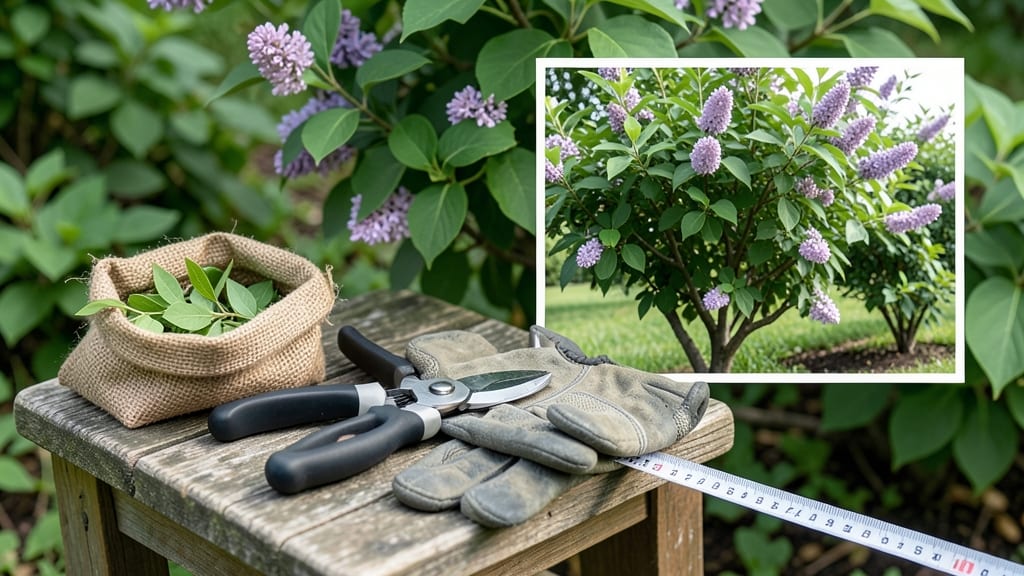
The best time to prune a lilac bush is right after it finishes blooming—typically late spring—to encourage fresh growth and next year’s abundant flowers. 🌸
Picture this: you’ve just enjoyed a fragrant spring display, and now you’re wondering, "Should I trim those woody stems?" The answer is yes—but only if you wait until all the blooms have faded and browned.
Cutting too early can mean fewer flowers next year, while waiting too long risks stunting new growth.
This isn’t just about timing; it’s about plant health. Lilacs bloom on old wood, so pruning at the wrong time can leave your bush looking leggy or even skip a year of flowers. Whether you’re in Zone 6a or beyond, the key is patience and precision.
In this guide, I’ll walk you through the exact steps—when to prune, how much to cut, and what to avoid—to keep your lilac thriving for years to come. No more guesswork, just peak bloom power.
The ideal pruning timeline for lilac bushes: seasonal breakdown
Pruning your lilac bushes at the right time ensures vibrant blooms and healthy growth. The key is understanding their natural bloom cycle, which starts in spring. Cutting at the wrong stage can reduce next year's flowers by removing flower buds that form on old wood.
Lilacs bloom on second-year wood, meaning flower buds develop on stems from the previous growing season. If you prune too early, you risk cutting off these future blooms.
Conversely, waiting too long can overcrowd branches and weaken the plant. Let’s break down the perfect pruning windows by season.
In late winter, when your lilacs are still dormant, focus on cleaning up dead wood and thinning out older stems. This is the safest time because no flower buds have formed yet.
Aim to remove about 1/3 of the oldest stems to encourage new growth from the base.
By early spring, your lilacs should be showing signs of new growth. This is when you can do light shaping pruning to maintain the bush’s form.
However, never cut back more than 1/3 of the plant in a single year, as this can stress the shrub and reduce flowering.
After your lilacs finish blooming in late spring, you can do a light maintenance prune to remove any spent flowers and shape the bush. This helps redirect the plant’s energy toward next year's blooms instead of seed production.
Avoid heavy pruning at this stage, as it can delay bud formation.
Summer is the worst time to prune lilacs. During this period, the plant is actively growing and flowering. Pruning in summer can invite pests and diseases and disrupt the natural bloom cycle. If you must prune, only remove dead or diseased branches immediately.
In fall, after the leaves have dropped, you can do a final cleanup by removing any weak or crossing branches. This helps prepare your lilacs for winter dormancy and ensures a healthier plant come spring. Avoid heavy pruning, as the plant needs time to harden off before winter.
Regional differences can slightly adjust these timelines. In warmer climates, lilacs may bloom earlier, so adjust your pruning schedule accordingly. In colder regions, wait until after the last frost before pruning to avoid damaging new growth.
Remember, the goal is to encourage strong, healthy growth while preserving next year’s flower buds. With the right timing, your lilacs will reward you with abundant blooms for years to come. 🌸
Why pruning too early or too late ruins your lilac blooms
Your lilac bush relies on precise timing for pruning to produce those fragrant spring blooms you love. Cutting at the wrong time can kill next year’s flowers by removing flower buds before they open.
The key is understanding when your lilac’s growth cycle forms buds and how to prune without sacrificing blooms.
Lilacs bloom on old wood—last year’s growth—meaning flower buds form in late summer and overwinter to bloom the following spring. If you prune too early, you risk cutting off these dormant buds before they’ve had a chance to open.
Pruning too late, after blooms fade, can still harm the plant by removing too much energy-rich foliage needed for recovery.
⚠️ callout-warning ⚠️
⚠️ Critical Pruning Window for Lilacs
Prune your lilac bush immediately after blooms fade (late spring/early summer) but before new buds form in late summer. Never prune in fall or winter—this removes next year’s flower buds while they’re dormant.
🌿 Visual Cue: Wait until all blooms turn brown and no green buds remain on stems.
The worst mistake I see is pruning lilacs in early spring (March-April) when buds are just starting to swell. This removes 90% of next year’s blooms because those buds haven’t opened yet.
Even pruning in late summer (August-September) can be risky—new flower buds may already be forming, and cutting them off reduces next year’s bloom potential by up to 50%.
To avoid these pitfalls, always prune after full bloom but before August 1st. Look for woody stems with no green buds—this confirms the flower buds for next year are safe.
Use clean, sharp pruners to make cuts just above a bud or leaf node, angled slightly downward to prevent water pooling.
If you’ve already pruned too early, don’t panic. Focus on light pruning next year to encourage recovery, and fertilize in spring to boost new growth. Over time, your lilac bush will rebound, though you may see fewer blooms for 1-2 seasons. The key is patience and precise timing moving forward.
Remember: Lilacs bloom on old wood, so protect those dormant buds like they’re gold. With the right timing, your bush will reward you with vibrant, fragrant blooms for decades. 🌸