
Pruning
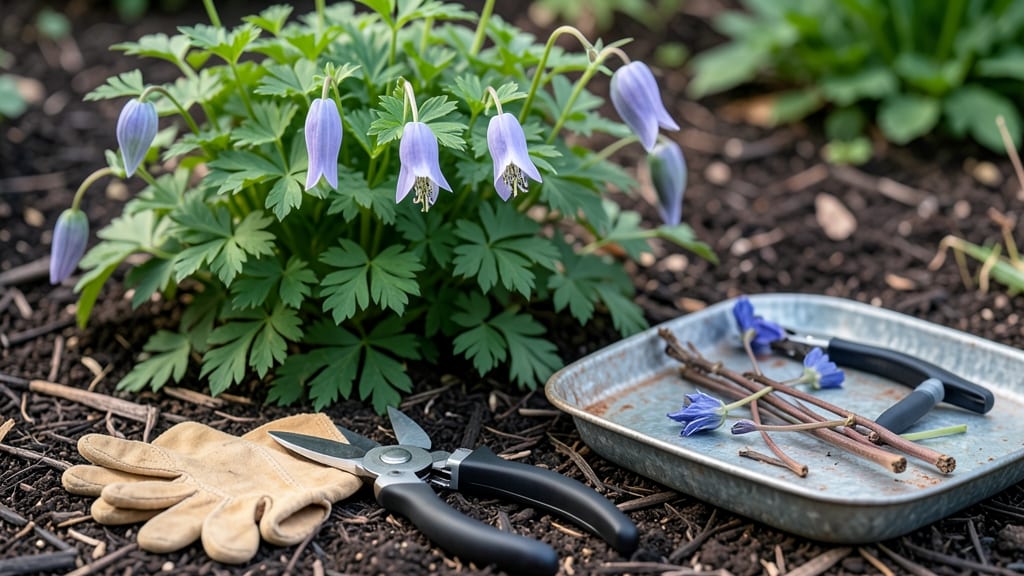
Pruning columbine isn't just about keeping it tidy—it's the secret to nonstop blooms all season long. 🌸 I've learned the hard way that cutting at the wrong time or too aggressively can kill your plant's second flush of flowers, so timing and technique matter more than you'd think.
The best time to prune is right after the first wave of blooms fades in early summer, when you can see the spent flowers clearly. Grab a pair of clean, sharp pruners and cut back the stems to just above a set of healthy leaves—never the bare stem.
This encourages fresh growth and triggers that second bloom cycle.
What you'll end up with is a bushier, more vibrant plant that keeps flowering until frost. The flowers stay bright and abundant, and the foliage stays lush and green instead of leggy.
Just avoid pruning in fall or winter, as columbine needs those stems to store energy for next year's growth.
This method works for both woodland columbine and the taller garden varieties. The key is patience—columbine grows slowly, so don't rush the process. With the right timing, you'll have blooms from spring through summer, and your plant will thank you for years to come.
📚 In This Guide
- What you need
- Instructions
- Tips and common mistakes
- Wrapping up and next steps
What you need
- ● Sharp pruning shears – Bypass pruners (4-6" blades) for clean cuts. Avoid dull tools that crush stems!
- ● Hand pruners or small bypass shears – For delicate stems (especially if your columbine is young or small).
- ● Gloves – Lightweight, gardening-grade gloves to protect against thorns (some varieties have them!) and dirt.
- ○ Disinfectant (optional but recommended) – Rubbing alcohol (70%+) or hydrogen peroxide (3%) to wipe tools between cuts and prevent disease spread.
- ● Knee pad or small stool – If your columbine is tall or ground-level pruning is uncomfortable.
- ● Pruning saw (rarely needed) – Only for very thick, woody stems (uncommon in healthy columbine).
- ● Compost bin or bag – To collect deadheaded blooms and fallen leaves.
- ● Magnifying glass (for precision) – Helpful if you’re pruning tiny seed heads or dealing with pests.
- ● Choose the right time – Prune after blooming (late spring to early summer) or in early fall. Never prune in winter!
- ● Check the weather – Pick a dry, overcast day to avoid stressing the plant.
- ● Identify your columbine type – Some varieties (like Aquilegia canadensis) may need lighter pruning than hybrids.
Step-by-Step guide to pruning columbine for continuous blooms
Here's my foolproof method for keeping columbine blooming all season long—no green thumb required.
✂️ Step 1: Identify and Remove Spent Blooms
Start by locating the faded blooms at the top of each stem. You'll notice them droop slightly or turn brownish—these are ready for removal. Grab a pair of clean, sharp pruners and make your first cut just above the next set of leaves or buds. This encourages the plant to redirect energy into new flower production rather than seed development.
Don't cut too aggressively—columbine blooms along stems, so you want to preserve as much of the plant as possible. If you're unsure where to cut, look for the small leaf or bud just below the spent bloom. That's your target spot. I like to work in the morning when the blooms are still crisp, making it easier to spot which ones are truly spent.
✂️ Step 2: Prune Leggy or Overgrown Stems
After deadheading, assess the overall shape of your columbine. If you notice stems growing too tall or leggy (stretching more than 12-18 inches without blooms), it's time for a light trim. Focus on the oldest stems first—they're the ones that have already produced flowers and are less likely to rebloom.
Cut these stems back to about 6 inches from the base. This might seem drastic, but columbine is surprisingly resilient. The plant will quickly send out new growth from the base, often producing even more blooms than before. Avoid cutting into the woody center of the plant—this can damage the crown and slow down regrowth.
✂️ Step 3: Thin Overcrowded Stems for Better Airflow
Columbine can get bushy, and while that might look lush, too many stems competing for space can lead to fewer blooms. Look for stems that are growing directly into the center of the plant or crossing over each other. These are your targets for thinning. Use your pruners to cut these stems back to the base.
This step improves airflow around the plant, which helps prevent fungal diseases like powdery mildew. You'll know you're doing it right when you can see light and air moving through the center of the plant. Aim to leave about 4-6 strong stems per plant—this gives you the best balance of foliage and blooms. If your plant is particularly vigorous, you can thin even more aggressively.
🌿 Step 4: Clean Up and Fertilize for Next Season
Once you've finished pruning, gather all the spent blooms and stems you've cut. Remove these from your garden immediately to prevent them from harboring pests or diseases over winter. I like to drop them into a compost bin—columbine's spent blooms break down quickly and add nutrients back to the soil.
After cleaning up, give your columbine a light feeding with a balanced, water-soluble fertilizer (like a 10-10-10 mix). Dilute it to half strength and apply it to the soil around the base of the plant. This gives your columbine a gentle boost to recover from pruning and prepares it for next season's blooms. Water thoroughly after fertilizing to help the nutrients soak into the soil.
⏰ Step 5: Monitor and Repeat as Needed
Columbine is a repeat bloomer, so you'll need to deadhead throughout the growing season. Check your plants every 7-10 days and remove any spent blooms as soon as you notice them. The key is consistency—this keeps your plant focused on producing new flowers rather than seeds.
If your columbine starts to look tired by late summer or early fall, give it one final light pruning. Cut back about one-third of the oldest stems to encourage fresh growth. This isn't always necessary, but it can help rejuvenate the plant and give you a few extra blooms before winter sets in. With this approach, you'll enjoy vibrant columbine blooms from early spring through fall.
Tips & tricks for perfect columbine pruning
These simple tricks will help you keep your columbine blooming beautifully all season long—without the guesswork.
Timing Tip: The 7-10 day monitoring interval in Step 5 is perfect for catching spent blooms early. I set a reminder on my phone for every 7 days so I don't miss this critical window. Early removal prevents the plant from wasting energy on seed production, which means more blooms for you. Morning is the best time to prune—cooler temperatures reduce stress on the plant and make identifying spent blooms easier.
Tool Technique: Always use clean, sharp pruners for Step 1. Dull blades crush stems and create entry points for disease. I keep a small bottle of rubbing alcohol nearby to wipe down my pruners between cuts—this prevents spreading any potential pathogens from one plant to another. For delicate stems, you can even use clean scissors if you don't have pruners handy, but make sure the blades are sharp.
Visual Cues: When thinning in Step 3, look for stems that are growing toward the center of the plant or crossing over others. These are your targets because they block light and air circulation. Aim to create an open, airy shape that allows sunlight to reach the inner stems. You'll know you've done it right when you can see light filtering through the center of the plant and feel gentle airflow when you run your hand through it.
Seasonal Strategy: That final light pruning in late summer mentioned in Step 5 is optional but can give you a nice late-season bloom boost. I usually skip it in cooler climates where fall blooms are minimal, but in warmer zones, it's worth the effort. Just remember to avoid cutting more than one-third of the oldest stems—this gives the plant enough energy to recover before winter.
Pro Tips for Prune Columbine
- These simple tricks will help you keep your columbine blooming beautifully all season long—without the guesswork.
- Timing Tip: The 7-10 day monitoring interval in Step 5 is perfect for catching spent blooms early.
- Tool Technique: Always use clean, sharp pruners for Step 1.
Frequently asked questions
Got questions about pruning columbine?
You’re not alone! Here are answers to the most common ones—so you can keep your plants happy and blooming all season long.
When is the best time to prune columbine?
Prune columbine after the first flush of blooms (late spring to early summer) to encourage a second round of flowers. Avoid pruning in fall or winter—this plant goes dormant and needs its foliage to protect the crown. For deadheading, snip spent blooms immediately to redirect energy to new growth.
How much should I cut back columbine?
Light pruning is key! Trim spent blooms back to the first set of healthy leaves or the nearest leaf node. Never cut more than one-third of the plant at once—columbine is delicate and over-pruning can stress it. Think "light touch," not "haircut!"
Why isn’t my columbine reblooming after pruning?
Reblooming depends on light, water, and soil. If your plant skips its second bloom, check for these issues:
- Shade: Columbine thrives in partial shade—too much sun can scorch blooms.
- Over-fertilizing: Too much nitrogen = lush leaves, fewer flowers. Use a balanced fertilizer (10-10-10) sparingly.
- Dormancy: Some varieties bloom once and rest. If yours is a perennial type, wait patiently for next spring!
Can I prune columbine in pots or containers?
Yes! Potted columbine follows the same rules, but with extra caution. Use clean, sharp shears to avoid damaging roots. After pruning, water thoroughly to help the plant recover. If your container is cramped, consider repotting in spring—columbine hates root-bound stress!
What if I accidentally prune too much?
Don’t panic! Columbine is resilient. If you’ve trimmed too aggressively:
- Stop pruning immediately.
- Focus on watering and mulching to protect the roots.
- Wait until next spring to see new growth—it may take a season to bounce back.
Wrapping up and next steps
Pruning your columbine doesn’t have to be intimidating—just a quick, mindful touch to keep those gorgeous blooms coming all season!
By deadheading spent flowers, trimming leggy stems, and giving your plants a little TLC after blooming, you’ll encourage healthier growth and nonstop color. Remember: Patience and consistency are your best friends here!
Ready to see your columbine thrive? Grab those shears and get pruning! Then, why not explore more tips for keeping your garden flourishing year-round? 🌸✨