
Pruning
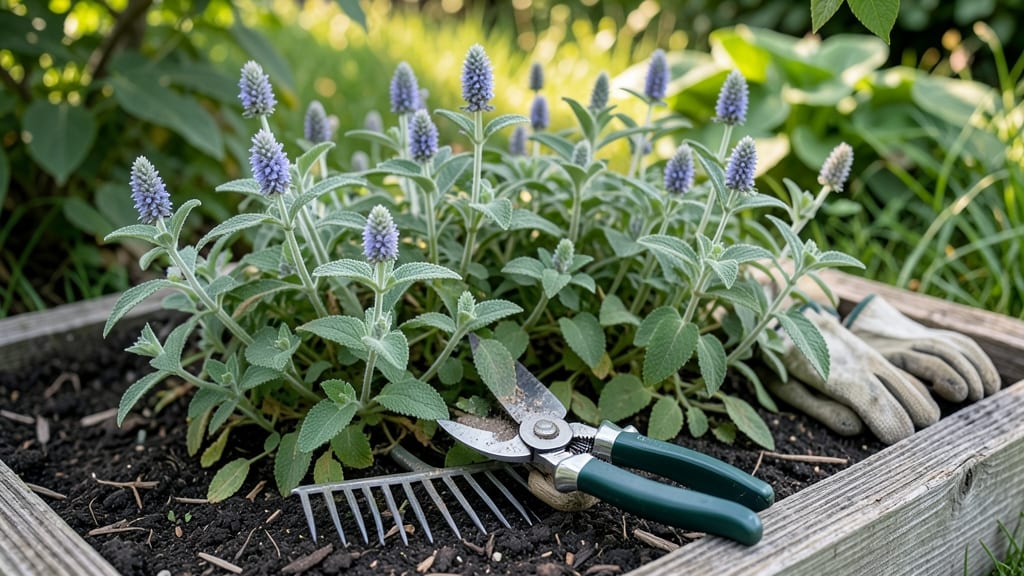
Pruning catmint in late winter isn't just about shaping—it's about unlocking bushier, fragrant growth that lasts all season. 🌿 I've learned the hard way that skipping this step means leggy plants with fewer blooms by summer.
The right cuts encourage dense foliage and more of that signature lavender-scented foliage we all love.
Timing is everything: prune right after the first hard frost but before new growth starts. Use clean, sharp pruners to snip back one-third of the plant's height, focusing on woody stems. This isn't just about looks—it prevents flopping and encourages fresh basal growth from the bottom up.
What you'll end up with is a compact, vibrant plant that blooms prolifically from early summer through fall. The scent becomes even stronger after pruning, and you'll notice fewer pests bothering your catmint. It's one of those simple tasks that makes a huge difference.
Works for both perennial varieties and those grown as annuals. Just avoid pruning after mid-summer—you'll risk cutting off next year's flower buds. Here's exactly how to do it without overdoing it.
The Science Behind Overgrowth
Understanding why catmint (Nepeta spp.) grows leggy, woody, or unruly is key to pruning it effectively. These plants thrive on balance—too much growth without intervention leads to issues. Here’s why it happens, broken down by the real culprits:
Catmint is a fast grower, and without pruning, its stems stretch toward sunlight in a process called etiolation.
This occurs when: - Light deprivation: Shady spots or dense foliage block sunlight, causing stems to elongate weakly to reach light. - Nutrient surplus: Over-fertilizing (especially with high nitrogen) promotes leafy growth over compact structure. - Genetic tendency: Some catmint varieties (like Nepeta racemosa) naturally grow taller if left unchecked.
Actionable fix: Prune back ⅓ of the plant in late winter to encourage bushier, more robust growth. Use sharp shears to cut just above a set of healthy leaves.
Over time, catmint’s lower stems harden and become woody, losing their lush, fragrant appeal.
This happens because: - Aged growth: Older stems (2+ years old) produce fewer flowers and more bare wood. - Lack of renewal: Without pruning, the plant focuses energy on extending stems rather than regenerating from the base. - Environmental stress: Drought or poor soil can accelerate woody growth as the plant prioritizes survival over aesthetics.
Actionable fix: Cut back woody stems to the ground in late winter. This forces new, vibrant growth from the base—just like a haircut promotes healthier hair!
If your catmint blooms sparsely or produces weak flowers, it’s likely due to:
- Over-pruning at the wrong time: Trimming after flowering (summer/fall) removes next year’s flower buds.
- Nutrient imbalance: Too much phosphorus or potassium can lead to leafy growth over blooms.
- Stress from pests/disease: Aphids or powdery mildew divert energy away from flowering.
Actionable fix: Prune right after flowering (early summer) to shape the plant and encourage a second flush of blooms. Avoid heavy cuts—focus on tidying up spent flowers.
Cold snaps can weaken catmint, leading to:
- Dead or brown stems: Freeze-thaw cycles damage woody stems, making them brittle.
- Stunted regrowth: If the plant struggles to recover, it may produce sparse, weak new growth.
Actionable fix: In late winter, prune out dead stems completely. Healthy stems will regrow from the base, and the plant will rebound with vigor.
Unchecked pests (like spider mites) or fungal issues (like powdery mildew) can distort growth:
- Weakened stems: Pests sap nutrients, leading to leggy, thin growth.
- Stunted foliage: Disease reduces photosynthesis, causing the plant to focus on survival over structure.
Actionable fix: Prune infected or heavily infested stems immediately. Boost airflow with strategic cuts to prevent future outbreaks.
Poor soil or incorrect planting can sabotage catmint’s growth:
- Compacted or waterlogged soil: Roots struggle to absorb nutrients, leading to weak stems.
- Overcrowding: Plants compete for resources, resulting in sparse, stretched growth.
Actionable fix: Amend soil with compost and ensure well-draining conditions. Space plants 18–24 inches apart for optimal airflow and growth.
Pro Tip 💡: Catmint’s natural resilience means it bounces back quickly from pruning. The key is timing—late winter (before new growth starts) is ideal for reshaping, while post-flowering cuts keep it blooming all season!
Revitalize Your Catmint with Easy Fixes
If your catmint looks leggy, sparse, or overgrown, don’t worry—it’s never too late to turn things around! With the right pruning techniques and a little TLC, you can restore your catmint’s lush, fragrant beauty. Below are practical solutions tailored to common issues, along with prevention tips to keep your plant thriving year-round.
If your catmint has stretched too tall or collapsed under its own weight, it’s time for a rejuvenating prune. This isn’t just about cutting back—it’s about encouraging bushier, stronger growth.
🔪 How to Fix It
- Wait for the Right Time – Prune in late winter (just before new growth begins) or early spring. Avoid pruning in fall, as this can leave the plant vulnerable to cold.
- Cut Back Hard – Use clean, sharp pruners or shears to trim back one-third to one-half of the plant’s height. Cut just above a set of healthy leaves or a bud to encourage branching.
- Shape It Up – If your catmint is uneven, trim straggly stems to create a more compact shape. Aim for a rounded form to promote airflow and sunlight penetration.
- Remove Dead or Weak Growth – Snip off any brown, mushy, or woody stems at the base.
This redirects energy to healthier parts of the plant.
💡 Prevention Tips
- Regular Maintenance – Lightly trim back catmint by 10-20% in mid-summer to encourage denser growth before winter.
- Well-Draining Soil – Ensure your catmint is planted in soil that drains quickly.
Poor drainage can weaken stems and lead to floppiness. - Adequate Sunlight – Catmint thrives in full sun (6+ hours daily). If it’s not getting enough light, it may stretch out. Move it to a sunnier spot if needed.
If your catmint has long, bare stems with few leaves, it’s likely not getting enough light or nutrients—or it may have been pruned too late in the season.
🌱 How to Fix It
- Prune for Density – Cut back the leggy stems to just a few inches above the ground. This forces the plant to send out new, bushier shoots from the base.
- Fertilize Lightly – Use a balanced, low-nitrogen fertilizer (like 10-10-10) in early spring to encourage leafy growth without promoting excessive flowering too soon.
- Move to Better Light – If your catmint is indoors or in a shady spot, relocate it to a sunnier location.
A south- or west-facing spot is ideal. 4. Pinch Young Shoots – If you’re growing catmint from seed or cuttings, pinch back the tips of new growth when they’re about 4-6 inches tall. This encourages branching.
💡 Prevention Tips
- Prune in Late Winter – Always prune before new growth starts in spring. This gives the plant time to recover and fill out before summer.
- Avoid Over-Fertilizing – Too much nitrogen can lead to soft, floppy growth.
Stick to a light feeding schedule (once in spring, once in summer). - Mulch Well – Apply a 2-3 inch layer of mulch around the base (but not touching the stems) to retain moisture and regulate soil temperature.
If your catmint’s leaves are turning brown or crispy, it’s usually a sign of underwatering, overwatering, or fungal issues. Proper pruning can help, but you’ll also need to adjust your care routine.
💧 How to Fix It
- Check the Soil – Stick your finger 1-2 inches into the soil. If it’s dry, water deeply but infrequently. If it’s soggy, let it dry out before watering again.
- Prune Damaged Leaves – Use clean pruners to trim off any brown, yellow, or mushy leaves. This prevents fungal spores from spreading.
- Improve Airflow – Thin out crowded stems to allow better air circulation.
This reduces humidity around the plant, which can prevent fungal growth. 4. Avoid Wetting Foliage – Water at the base of the plant rather than overhead to keep leaves dry.
💡 Prevention Tips - Water Deeply but Less Often – Catmint is drought-tolerant.
Let the soil dry out between waterings to avoid root rot. - Choose the Right Spot – Plant catmint in well-draining soil and avoid low-lying areas where water pools. - Fungal Spray (If Needed) – If brown spots persist, spray with a copper fungicide or neem oil as a preventive measure.
Once you’ve revived your catmint, keep these long-term care tips in mind to avoid future pruning headaches:
- 📅 Prune on a Schedule – Late winter and mid-summer are the best times to prune. Mark these dates on your gardening calendar! - 🌡️ Protect from Harsh Winters – In colder climates, mulch heavily around the base to insulate roots.
Catmint is hardy but can suffer in extreme cold. - 🌱 Divide Every Few Years – If your catmint becomes too crowded, divide it in early spring to rejuvenate growth. - 🔄 Rotate Pruning Tools – Always use clean, sharp pruners to avoid spreading disease.
Disinfect tools with rubbing alcohol between cuts.
With these fixes, your catmint will bounce back stronger, bushier, and more fragrant than ever. Happy pruning! 🌿✨
Frequently asked questions
When is the best time to prune catmint for maximum blooms?
For the most vibrant blooms, prune catmint twice a year: late winter (just before new growth starts) and mid-summer (after the first flush of flowers). Late winter cuts encourage bushier growth, while summer pruning removes spent blooms and promotes a second flowering. Never prune after mid-summer—this removes next year's flower buds!
Can I prune catmint too much? What are the signs?
Yes! Over-pruning shows up as bare stems, sparse foliage, or no blooms. If your plant looks leggy or woody after pruning, you cut back too aggressively. For catmint, aim to remove no more than ⅓ of the plant's height in late winter. Mid-summer trims should be lighter—just tidying up spent flowers.
Do I need special tools to prune catmint?
No fancy tools required! Use clean, sharp bypass pruners or hand pruners for stems thicker than a pencil. For larger plants, hedge shears work well. Always disinfect tools with rubbing alcohol between cuts to prevent disease spread. A glove helps protect from prickly stems.
What should I do with the pruned stems?
Don't toss them! Use pruned catmint stems for homemade potpourri (dry the flowers) or cut flower arrangements. The fragrant foliage adds texture to bouquets. For compost, chop stems into smaller pieces first—they'll break down faster. Just avoid composting if your plant shows signs of disease.
My catmint didn't bloom this year after pruning. Did I do it wrong?
Not necessarily! Catmint often takes 2-3 weeks to show new growth after pruning. If it's late summer and still no blooms, you may have pruned too late. For next year, focus on late winter pruning and avoid heavy summer cuts. Also check your plant's sunlight—catmint needs 6+ hours of sun daily to flower well.