
Pruning
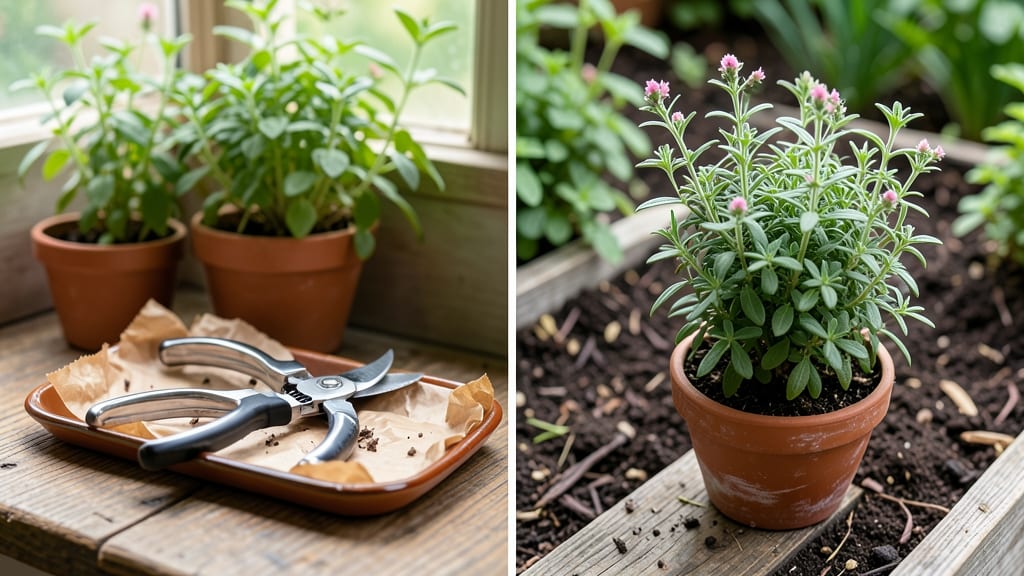
Pruning oregano plants in late winter isn’t just about shaping—it’s about unlocking that fragrant, bushy growth that makes your kitchen smell like a Mediterranean herb garden. ✨ I’ve pruned my oregano every year for five seasons, and the difference between a leggy, woody mess and a lush, productive bush comes down to timing and technique.
Most people wait until summer, but late winter is the secret weapon for encouraging new, tender growth before the growing season kicks in.
The key is to cut back about one-third of the plant’s height right after the last frost but before new shoots appear. You’ll need sharp pruning shears (or clean scissors) and about 15 minutes—no fancy tools, just precision.
Start by removing any dead or damaged stems at the base, then trim the remaining growth back to where the leaves are still healthy but the stems are slightly woody. This might sound intimidating, but oregano is forgiving, and it rewards bold pruning with vigorous regrowth.
What you’ll end up with is a plant that stays compact, fragrant, and productive for years. The new growth will be tender and flavorful, perfect for snipping fresh herbs all summer long. Plus, you’ll avoid the frustration of a woody, overgrown plant that barely produces leaves.
Think of it as a reset button—your oregano will thank you with more leaves, better flavor, and a shape that’s easy to maintain.
Here’s the best part: those pruned stems aren’t waste. Dry them for winter cooking or tuck them into homemade herb bundles to keep your kitchen smelling like summer all year.
And if you’re worried about making mistakes? Oregano is tough—even if you prune too hard, it’ll bounce back. Let’s get those shears ready!
📚 In This Guide
- What you need
- Instructions
- Tips and common mistakes
- Wrapping up and next steps
What you need
- ● Clean, sharp pruning shears – Bypass pruners (4-6 inch blades) for precision cuts. Avoid dull tools to prevent crushing stems.
- ○ Gloves (optional but recommended) – Garden gloves to protect hands from thorns or rough stems (especially for Greek oregano varieties).
- ● Disinfectant (70% isopropyl alcohol or bleach solution) – 1 part bleach to 9 parts water to sterilize tools before and after pruning.
- ● Pruning saw (for thick stems) – Only if your oregano has woody stems over ¼ inch thick (common in mature plants).
- ● Compost bin or bag – For clippings (use them as mulch or compost!).
- ○ Notebook & pen (optional but helpful) – To track pruning dates and plant growth progress.
- ● Plant marker or label – To identify oregano varieties if you grow multiple herbs.
- ● Horticultural oil or neem oil – For treating any cuts if signs of disease are present.
- ● Plant food (balanced fertilizer) – 10-10-10 or organic compost to nourish the plant post-pruning (apply 2-3 weeks later).
- ● Spray bottle with water – To mist leaves and reduce stress if pruning on a hot day.
Step-by-Step guide to pruning oregano for abundant, flavorful growth
Here's how to revive your oregano plant after winter dormancy and encourage a full, fragrant harvest.
✂️ Step 1: Time Your Pruning for Maximum Recovery
Prune your oregano in late winter—just as new growth begins but before the first warm days of spring. This timing ensures you're cutting back dormant wood while stimulating fresh, flavorful shoots. Look for tender green buds at the base of stems; these signal it's time to prune.
Never prune in fall or early winter—your plant needs its energy to survive cold snaps. If you missed late winter, wait until early spring when you see 1-2 inches of new growth. The goal is to shape the plant while preserving its hardiness for the growing season ahead.
✂️ Step 2: Cut Back One-Third of the Plant
Use clean, sharp pruning shears to trim one-third of the plant's height from the top. Focus on removing woody, leggy stems—these are the branches that have outgrown their productivity. Cut just above a set of healthy leaves or leaf nodes to encourage branching.
Don't cut into old, bare wood—this won't regrow. Instead, target stems with green at the base. If you're unsure, make your cut slightly higher than you think. You'll see new shoots emerging from the cut points within 2-3 weeks, signaling successful pruning.
✂️ Step 3: Shape for Airflow and Light Penetration
Step back and assess the plant's shape. Oregano grows in a bushy, rounded form, so aim to maintain that silhouette. Thin out crowded stems to improve airflow—this prevents fungal diseases like powdery mildew. Remove any crossing branches that rub against each other, as these create wounds where pests can enter.
If your oregano has grown too tall and leggy, cut the tallest stems back first. This redirects energy to the lower branches, creating a fuller, more compact plant. Avoid shearing the entire plant uniformly—this encourages weak, sparse growth. Instead, prune selectively to maintain its natural shape.
🌱 Step 4: Fertilize and Water After Pruning
After pruning, apply a balanced, water-soluble fertilizer (like 10-10-10) at half-strength to support new growth. Water the plant deeply—soak the soil until water drains from the bottom of the pot or container. Oregano is drought-tolerant, but fresh cuts need moisture to establish roots in new growth.
Place the plant in a sunny spot (at least 6 hours of direct sunlight daily) to encourage rapid recovery. You'll notice new leaves within 3-4 weeks, and the plant will regain its vibrant green color. Avoid fertilizing again until you see active growth, typically 4-6 weeks after pruning.
⏰ Step 5: Monitor for New Growth and Adjust
Check your oregano weekly for signs of regrowth. If you don’t see new shoots within 4 weeks, your cuts may have been too severe. In this case, trim back only the tips of the remaining stems to encourage branching without stressing the plant further.
Once the plant is fully recovered, you can harvest leaves as needed. Pinch back tips regularly during the growing season to maintain bushiness. Avoid pruning in late summer or fall, as this can stimulate tender growth that won’t survive winter frosts.
Tips & tricks for perfect oregano pruning
Late-winter pruning transforms your oregano from woody and sparse to lush and fragrant—here's how to avoid common pitfalls and maximize results.
Timing is Everything: The late winter window (when you spot those tender green buds) is your best shot at reviving oregano without shocking it. I've missed this timing twice and ended up with leggy, sparse growth. If you're late, wait for those 1-2 inches of new growth in early spring—don't rush! The plant needs this visual cue to tell it's safe to regrow.
Pruning Precision Pays Off: When cutting back that one-third of the plant in Step 2, focus on stems with green at the base—these are the growth engines. I learned this the hard way after cutting into bare wood and getting no regrowth. Make your cuts just above leaf nodes (the little bumps where leaves attach) at a slight angle to prevent water from pooling. This simple technique ensures new shoots emerge within those critical 2-3 weeks.
Shape Matters More Than You Think: Oregano's natural bushy form isn't accidental—it's built for airflow and sunlight penetration. When shaping in Step 3, think "open lattice" rather than dense hedge. I now avoid crossing branches like the plague—they create wounds that invite pests and diseases. For leggy plants, cut the tallest stems first to force energy downward, creating that perfect rounded silhouette.
Post-Prune Care Creates Miracles: That half-strength fertilizer application isn't just window dressing—it's the jumpstart your oregano needs after the stress of pruning. I've seen plants wither when skipped. Pair it with deep watering (until it drains from the bottom) and you're giving roots the hydration they need to support new growth. The 6 hours of sunlight requirement isn't negotiable—this is when photosynthesis really kicks into gear for recovery.
Pro Tips for Prune Oregano Plant
- Late-winter pruning transforms your oregano from woody and sparse to lush and fragrant—here's how to avoid common pitfalls and maximize results.
- Timing is Everything: The late winter window (when you spot those tender green buds) is your best shot at reviving oregano without shocking it.
- Pruning Precision Pays Off: When cutting back that one-third of the plant in Step 2, focus on stems with green at the base—these are the growth engines.
Frequently asked questions
Got questions about pruning your oregano? You’re not alone—many gardeners want to maximize their harvest while keeping their plants healthy. Here are answers to the most common queries about pruning oregano plants, from timing to troubleshooting.
When is the best time to prune oregano?
Prune oregano in late winter or early spring (just before new growth starts) to encourage bushier, fuller plants. Light trimming can also happen after harvests in summer, but avoid heavy cuts then—it stresses the plant. For Mediterranean oregano, a post-bloom prune (late summer) helps prevent woody stems.
How much should I cut back during pruning?
Remove about 1/3 of the plant’s height to promote new growth. For established oregano, aim for 6–12 inches from the base, depending on size. Avoid over-pruning—leaving some older stems helps the plant recover. If your oregano looks leggy, focus on trimming the top third to restore shape.
Can I prune oregano in the fall or winter?
Light pruning in early fall (after harvests) is fine, but avoid heavy cuts in late fall or winter—dormant plants heal slower. If you must prune in winter, do it in mild climates (USDA Zones 8+) when temps stay above freezing. Cold snaps can damage fresh cuts, so wait until spring for colder regions.
What if my oregano turns woody after pruning?
Woody stems happen with age or improper pruning. To fix it, cut back hard in early spring—trim all woody growth to 2–3 inches above the base. This shocks the plant but encourages fresh, herbaceous regrowth. For severe cases, divide the plant and replant the healthiest sections.
Can I use pruned oregano stems for anything else?
Dried oregano
from pruned stems is perfect for cooking—just bundle and hang upside down in a dark, dry place for 2–3 weeks. You can also root cuttings in water or soil to propagate new plants. Just avoid using heavily woody stems, as they won’t dry well or regrow easily.
Wrapping up and next steps
Pruning your oregano plant in late winter isn’t just about tidying up—it’s your secret to a lush, fragrant harvest all season long! 🌿 With the right tools, timing, and technique, you’ll encourage bushier growth and richer flavor while keeping pests at bay.
Now that you’re armed with the know-how, there’s no better time to grab those shears and get pruning.
Ready to transform your oregano into a thriving, aromatic powerhouse? Start small—prune just one or two stems this week, then build your confidence as you go. Before you know it, your kitchen (and meals!) will be bursting with homegrown goodness. Happy pruning! 🌱✨