
Pruning
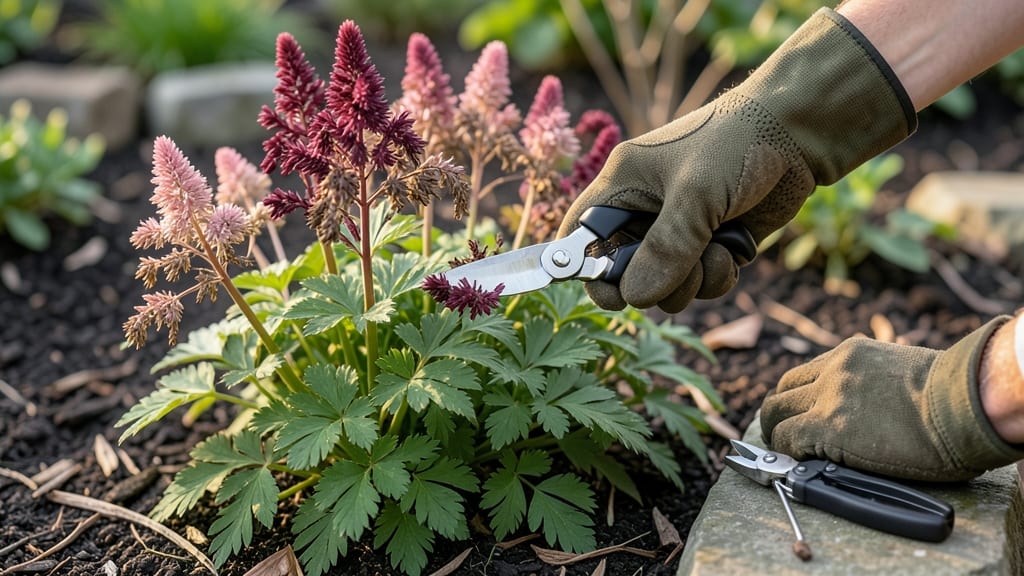
Pruning astilbe plants in late winter unlocks their full potential for vibrant summer blooms—and I’ve learned the hard way that skipping this step means sparse, leggy plants by June. 🌿 The key is timing: trim back the old foliage before new growth starts, and you’ll encourage bushier, more abundant flowers that last all season.
Most people overlook the importance of cutting back to the ground level—not just the dead parts. This might look drastic, but it’s what triggers fresh, compact growth. Use clean, sharp pruners to avoid tearing stems, and focus on removing any brown or diseased foliage first.
The goal is to make the plant feel like it’s starting fresh, not just tidying up. By mid-summer, you’ll see thick, feathery plumes where there were once bare stalks. The plants will stay disease-resistant and put all their energy into producing those showstopping blooms.
Just avoid pruning after flowering—you’ll cut off next year’s buds by mistake. This method works for all astilbe varieties, from dwarf types to towering giants. The secret? Patience and a little boldness with those shears. Ready to transform your garden’s summer display?
📚 In This Guide
- What you need
- Instructions
- Tips and common mistakes
- Wrapping up and next steps
What you need
- ● Sharp bypass pruners – A pair of high-quality pruners (like Felco or Fiskars) with clean, sharp blades to make precise cuts without crushing stems.
- ● Garden shears or loppers – For thicker stems (over ½ inch in diameter), use bypass loppers with a 4- to 6-inch blade for better leverage.
- ● Garden gloves – Thick, durable gloves (like those rated for cut-resistant or thorn protection) to shield hands from prickly stems and debris.
- ● Disinfectant (70% isopropyl alcohol or bleach solution) – A small spray bottle or cloth to clean tools before and after pruning to prevent disease spread.
- ● Garden twine or rubber bands – To bundle and label cuttings if you plan to propagate new plants.
- ● Compost bin or bag – For disposing of pruned foliage (avoid adding diseased material to compost).
- ● Pruning saw (for stubborn stems) – Only needed if stems are over 1 inch thick.
- ● Hose with a gentle spray nozzle – To rinse off sap from tools and hands post-pruning.
- ● Choose the right time – Prune in early spring (before new growth) or late fall (after foliage dies back).
- ● Check the weather – Aim for a dry, overcast day to avoid stressing the plant.
- ● Assess plant health – Remove only dead, diseased, or overcrowded stems—never prune more than ⅓ of the plant at once.
Step-by-step instructions for pruning astilbe plants
Here's the simple method I use every year to keep my astilbes bushy, blooming, and healthy for seasons to come.
✂️ Step 1: Wait for the Right Time to Prune
Prune astilbe immediately after flowering in late summer (around July or August), but never after the first frost. This timing ensures you remove spent blooms while leaving the plant enough energy to prepare for winter dormancy. You'll know it's time when the feathery plumes turn brown and look tired—this is your cue to act.
If you prune too early, you risk cutting off next year's blooms. If you wait too late, the plant may not have enough time to recover before cold weather sets in. I like to mark my calendar with the last expected bloom date for my zone, then prune 2-3 weeks after that date.
✂️ Step 2: Cut Back to Healthy Growth
Using clean, sharp pruners, cut back the entire plant to about 4-6 inches above the ground. This drastic cut may seem harsh, but astilbe is a tough plant that rebounds beautifully. Focus on removing all dead or brown foliage first—this prevents disease from lingering in the plant.
Don't worry if the plant looks bare afterward. The new growth will emerge from the base in spring, and you'll see lush, fresh foliage within weeks. I always sterilize my pruners with rubbing alcohol between cuts to prevent spreading any potential pathogens.
🌿 Step 3: Clean Up and Prepare for Winter
After pruning, gather all the cuttings and remove them from the garden area. This prevents pests and diseases from overwintering in the debris. I like to compost the healthy-looking material, but avoid composting anything that looks diseased or moldy.
Leave the pruned plant as-is until spring. Astilbe is a perennial, so it will naturally go dormant in winter. In early spring, you can give it a light trim to tidy up any remaining dead growth before new shoots appear. This final step ensures a clean slate for the next growing season.
⏰ Step 4: Fertilize for Next Year's Blooms
Once new growth appears in spring, apply a balanced, slow-release fertilizer (like 10-10-10) around the base of the plant. This gives your astilbe the nutrients it needs for strong root development and abundant blooms. I like to fertilize in early spring and again after the first flush of new growth appears.
Water deeply after fertilizing to help the nutrients soak into the soil. Keep the area consistently moist but not soggy—astilbe prefers well-draining soil and won't tolerate waterlogged roots. You'll see the difference in just a few weeks with vibrant, healthy foliage and stunning plumes by summer.
Tips & tricks for pruning astilbe plants
Here's what I've learned after years of pruning my own astilbes—these little tricks make all the difference for next year's blooms.
Timing is Everything: I can't stress this enough—pruning at the right time is the foundation of success. The 2-3 week window after flowering (when plumes turn brown) is critical. If you're unsure about your exact bloom date, check your local frost date and count backward. Astilbe needs at least 4-6 weeks of warm weather after pruning to establish new growth before winter. I've seen plants that were pruned too early produce half-sized blooms the next year.
The Clean Cut Technique: When cutting back to 4-6 inches, make your cuts clean and at a 45-degree angle about 1/4 inch above a leaf node. This angled cut helps water run off and prevents disease. I use my pruners to make the first cut, then snip off any remaining stubble with clean scissors. This two-step method gives you the cleanest cut possible. Don't forget to sterilize your tools between plants—rusty or dirty pruners can spread fungal diseases that astilbe is particularly susceptible to.
Winter Prep Secret: After removing all cuttings, I like to spread a 1-inch layer of mulch around the base of the plant. This protects the roots from freezing temperatures and prevents soil heaving during freeze-thaw cycles. Use organic mulch like shredded leaves or straw—it breaks down over winter and adds nutrients to the soil. Just make sure to pull it back in early spring to prevent moisture buildup that could cause rot.
Spring Revival Hack: In early spring, when you do that light trim to remove any remaining dead growth, look for any new shoots emerging from the base. These are your plant's first signs of life! Gently water them to encourage growth, but don't overwater—astilbe prefers consistently moist but well-draining soil. I've found that plants with at least 3-4 healthy new shoots by late spring will produce the most abundant blooms the following summer.
Pro Tips for Prune Astilbe Plants
- Here's what I've learned after years of pruning my own astilbes—these little tricks make all the difference for next year's blooms.
- Timing is Everything: I can't stress this enough—pruning at the right time is the foundation of success.
- The Clean Cut Technique: When cutting back to 4-6 inches, make your cuts clean and at a 45-degree angle about 1/4 inch above a leaf node.
Frequently asked questions
Got questions about pruning your astilbe? You’re not alone! Here are some of the most common concerns—plus quick, expert-backed answers to keep your plants thriving.
When is the best time to prune astilbe?
The ideal window is late winter or early spring (before new growth starts) or right after flowering (late summer). Avoid pruning in fall—it can leave stems vulnerable to frost damage. For a tidy look, a light trim after blooms fade works too!
Do I cut astilbe all the way to the ground?
Nope! Only remove dead or brown foliage—cutting healthy stems too short can stress the plant. Aim to leave 1–2 inches of stubble above the crown. This helps protect the roots while allowing fresh growth to emerge.
What if I miss pruning until summer?
Don’t panic! If you skip early pruning, trim back faded blooms and leggy stems in late summer to encourage a second flush of flowers. Just avoid heavy cuts—focus on shaping and removing only the worst offenders. Your astilbe will bounce back!
Can I prune astilbe in containers differently?
Container astilbe follows the same rules, but check for root-bound issues first. If roots are circling, prune 10–20% harder to stimulate growth. Also, empty containers of old mulch before replanting pruned stems to prevent rot.
Why does my astilbe look leggy after pruning?
Leggy growth often means too much shade or over-fertilizing. To fix it:
- Move to morning sun + afternoon shade.
- Use a balanced fertilizer (10-10-10) in spring.
- Space plants 12–18 inches apart for airflow.
Can I propagate astilbe from pruned stems?
Save healthy stems
(4–6 inches long) after pruning, dip in rooting hormone, and plant in moist potting mix. Keep them humid and warm until roots form (4–6 weeks). It’s a great way to multiply your plants for free!
Wrapping up and next steps
Pruning your astilbe plants doesn’t have to be intimidating—with the right timing, tools, and technique, you’ll unlock vibrant blooms and healthier growth all season long! 🌸 By following these three simple steps, you’re not just tidying up; you’re giving your garden a fresh start for lush, eye-catching displays.
Now that you’re armed with the know-how, grab those shears and get pruning—your astilbe will thank you with a burst of color!
Ready to level up your garden game? Next, explore how to fertilize astilbe for even more stunning blooms or dive into design tips to showcase your pruned plants like a pro!