
Pruning
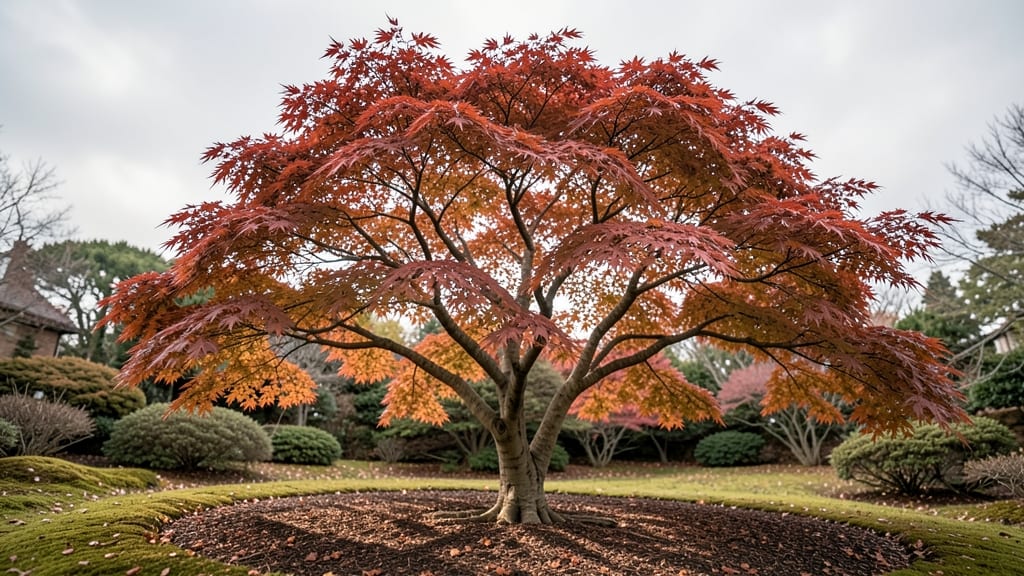
Fall pruning can stress trees and leave them vulnerable to disease or winter damage. These 10 trees should remain untouched until late winter or early spring to preserve their health and ensure strong regrowth.
Maple Trees With Colorful Fall Foliage
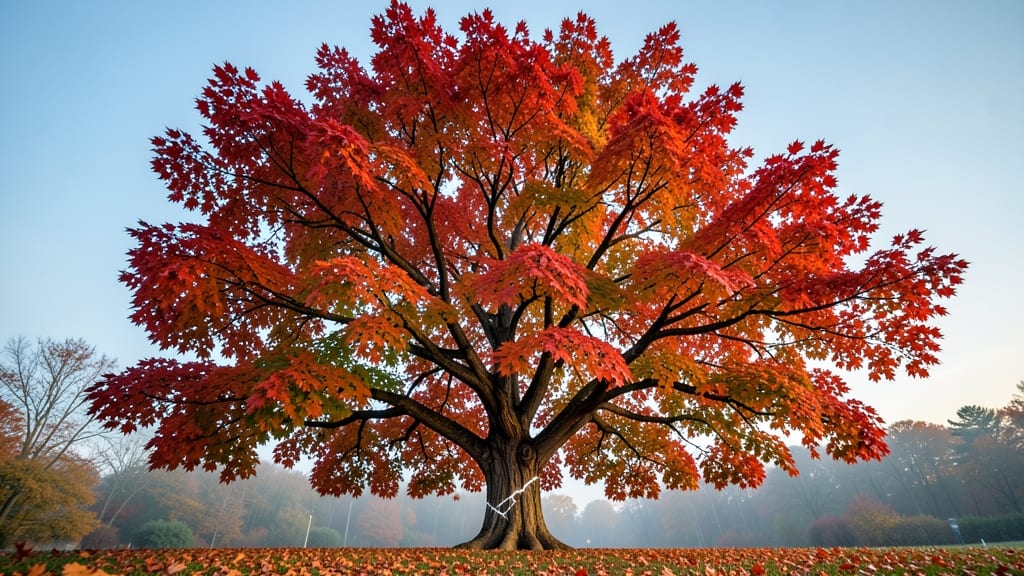
If you love the fiery display of maple trees in autumn, resist the urge to prune them now. Fall cuts remove the very nutrients needed for their legendary colorful foliage—and leave them vulnerable to frost cracks when winter arrives.
The key is timing: wait until late winter when sap begins flowing again (typically February or March). This timing allows wounds to heal properly before spring growth begins. Maple trees store energy in their leaves and branches throughout fall, so pruning now disrupts their natural cycle and weakens their resilience.
This rule applies especially to sugar maples and Japanese maples, prized for their vibrant autumn hues. By waiting, you'll preserve their stunning fall colors and give them the best chance to thrive next season. 🌟
Oak Trees Prone To Silver Leaf Disease
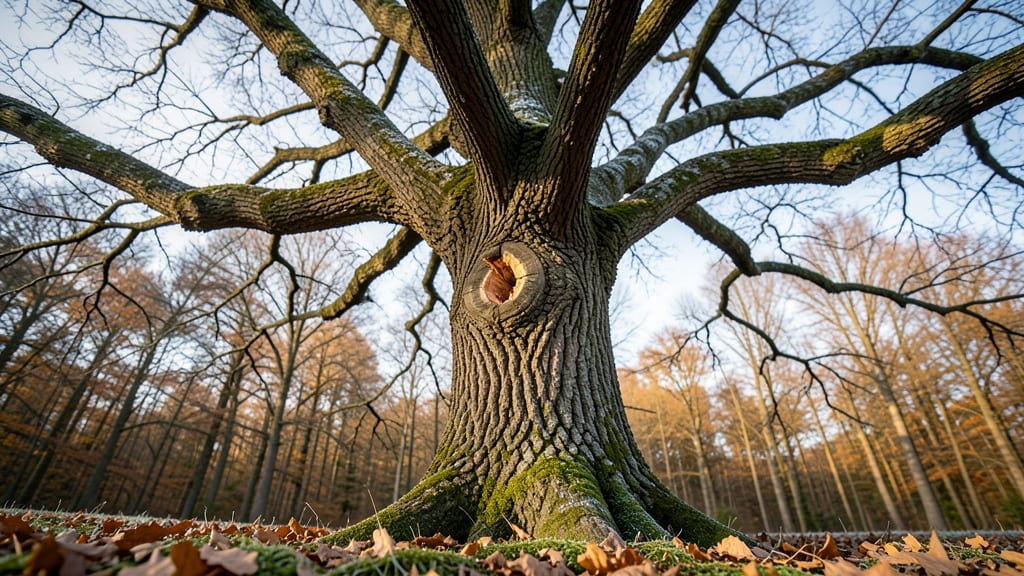
If your oak tree has already lost its leaves but still looks healthy, resist the urge to prune it now. Fall cuts create perfect entry points for silver leaf disease, a fungal infection that can spread rapidly through open wounds and kill branches.
The best time to prune oaks is during their dormant season, from late winter through early spring before new growth begins. This allows wounds to heal properly and gives the tree time to recover before summer stress. If you must remove hazardous branches, wait until temperatures are consistently above freezing and the tree is fully dormant.
This advice is especially critical for homeowners with mature oaks, as silver leaf can weaken the tree's structure over time. A little patience now means stronger branches and fewer disease risks next season. 🌟
Birch Trees With Peeling Bark Beauty
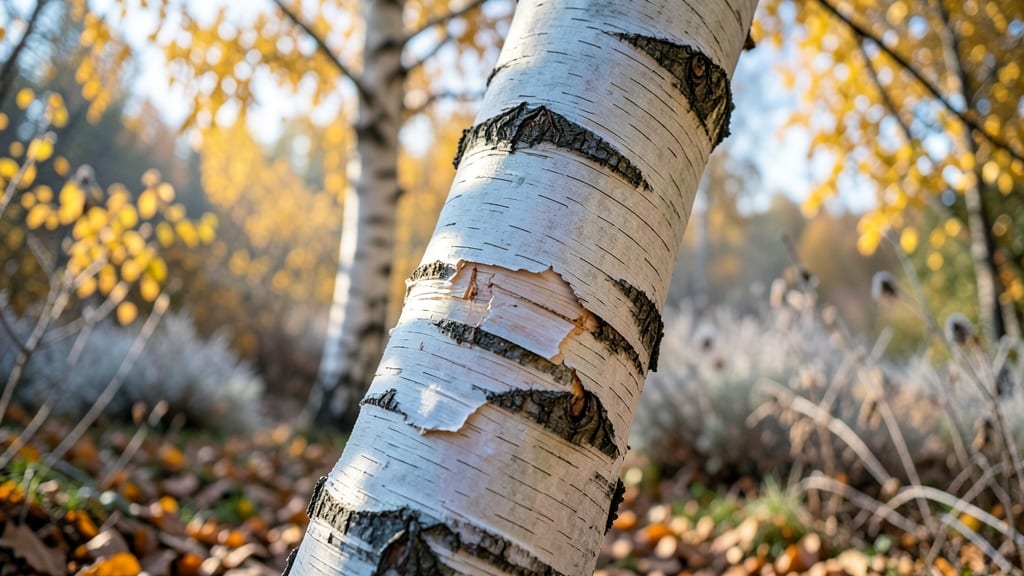
That distinctive peeling bark isn’t just beautiful—it’s a delicate system protecting birch trees from winter stress. When you prune now, you’re exposing fresh wood to harsh cold, creating perfect conditions for sunscald and bark damage that can take years to heal.
Birch trees already face seasonal bark stress as temperatures drop, and fall pruning accelerates this damage. Instead, wait until late winter when the tree is fully dormant but before sap flow begins. This timing minimizes shock and allows wounds to seal properly before spring growth. Even small cuts can leave birch trees vulnerable to fungal infections.
Urban gardeners and homeowners with paper birch or yellow birch in their landscapes will especially benefit from this patience—these trees are prized for their striking bark and deserve careful handling. Let them shine without the risk of winter damage. 🌿
Willow Trees Developing Winter Buds
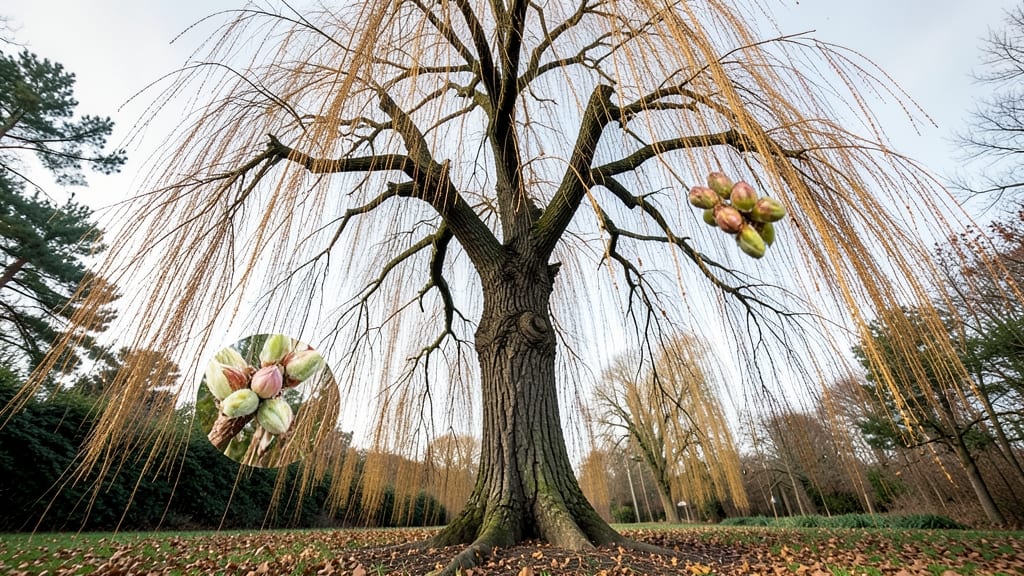
Your willow trees might look dormant now, but they're secretly preparing for spring—tiny buds are already forming beneath the bark. If you prune now, you could accidentally remove these future growth points, leaving your tree vulnerable to late-season cold snaps that could cause dieback.
Willows are especially sensitive because their new growth begins in late winter, often before leaves even appear. Pruning in fall disrupts this natural cycle, forcing the tree to waste energy on healing wounds instead of storing nutrients. For healthy willows, wait until late winter (February-March) when the tree is fully dormant but before buds swell.
This timing is crucial for urban gardeners and riverbank planters who rely on willows for erosion control—healthy trees grow faster and establish deeper roots. Let nature take its course this fall, and your willows will reward you with lush spring foliage. 🌿
Dogwood Trees With Late Blooming Flowers
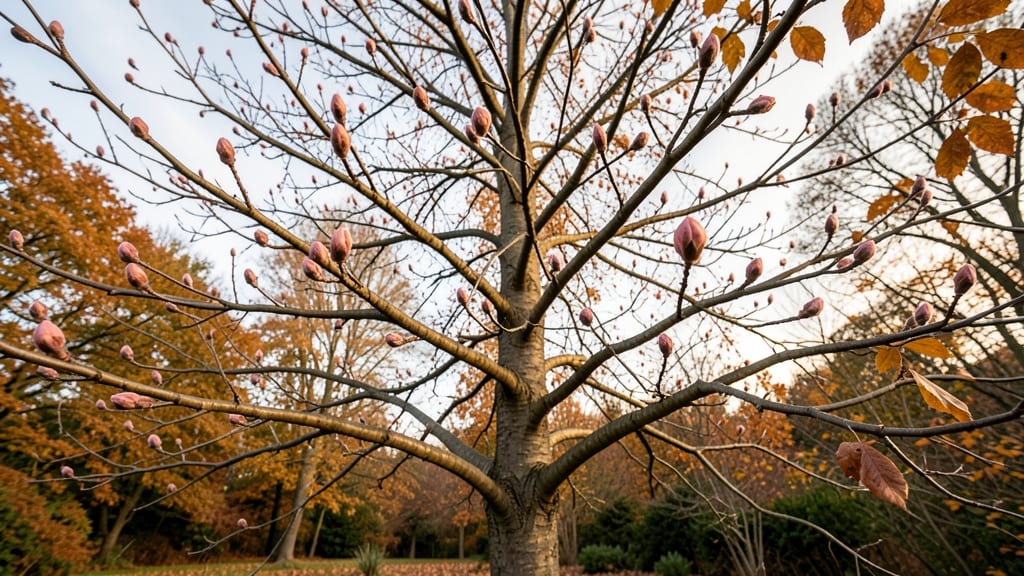
If you love the delicate pink blooms of dogwood trees in spring, don’t risk pruning them in fall. Their flower buds form as early as late summer—meaning any cuts now remove next year’s showstopping blossoms before they even have a chance to develop.
Dogwoods also rely on fall energy storage to survive winter. Pruning disrupts this process, leaving them weak and more susceptible to stress. Instead, wait until late winter when the tree is fully dormant but before new growth begins—typically between February and early March in most climates.
This timing ensures your dogwood retains its signature blooms and maintains vitality. Gardeners who prioritize this schedule often report healthier trees with more abundant spring flowers. 🌷
Elm Trees Susceptible To Dutch Elm Disease
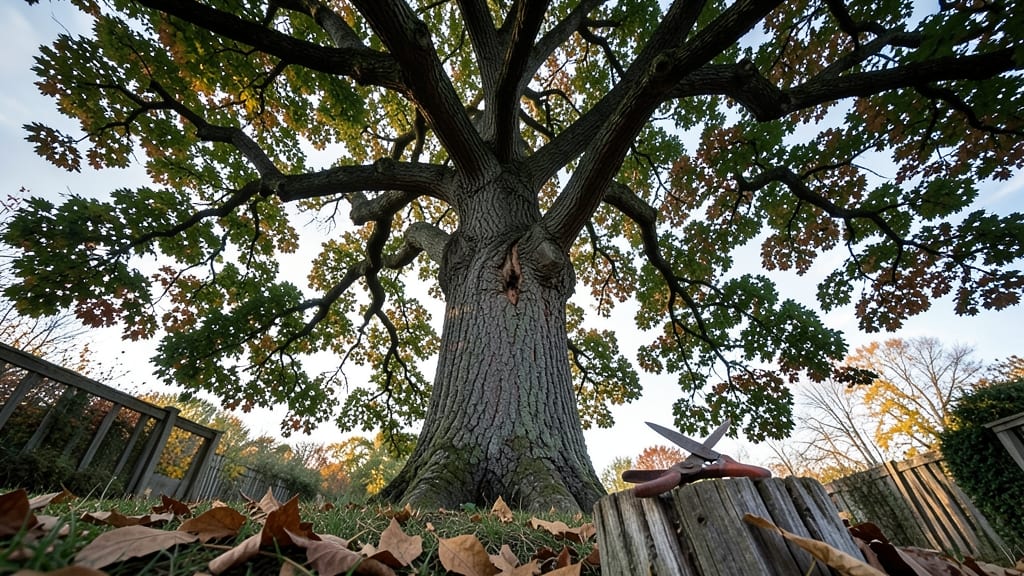
If you've got a elm tree in your yard, now is not the time to grab those pruners. These majestic trees are already fighting a losing battle against Dutch elm disease, a fungal infection that spreads through open wounds—making fall pruning a recipe for disaster.
The problem starts with their weakened immune systems during winter. When you prune in fall, you create fresh cuts that invite fungal spores to colonize, often leading to branch dieback or even tree death. Even healthy elms can't fight off infections as effectively when temperatures drop, so wait until late winter (when the tree is still dormant but before sap starts flowing) to prune.
This advice is especially critical for homeowners in regions where Dutch elm disease is common. A single infected branch can spread the fungus throughout the entire tree in just a few years—so protecting those wounds now means healthier trees for seasons to come. 🌱
Crabapple Trees With Developing Fruit
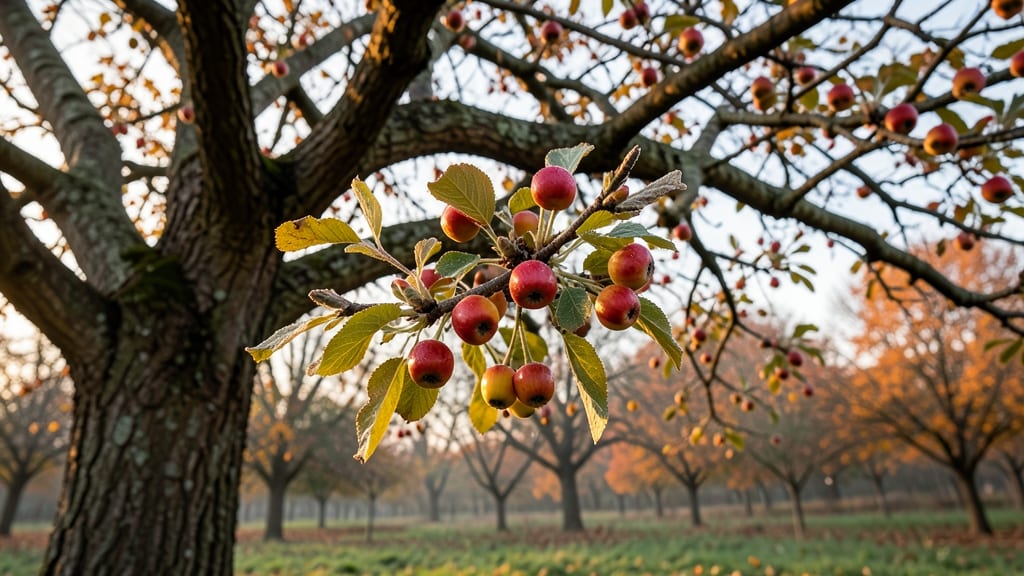
Your crabapple tree isn’t just about pretty spring blooms—it’s also working hard to produce fruit for next year. Those tiny red or yellow fruits you see now need the full fall season to mature properly, storing energy for both the fruit and next spring’s flowers.
Pruning now removes branches that could bear fruit and disrupts the tree’s ability to store carbohydrates, which are critical for winter survival and spring blooms. Instead, wait until late winter when the tree is fully dormant—this gives you the best chance for healthy regrowth without sacrificing fruit production. 🌟
Magnolia Trees With Thick Winter Buds
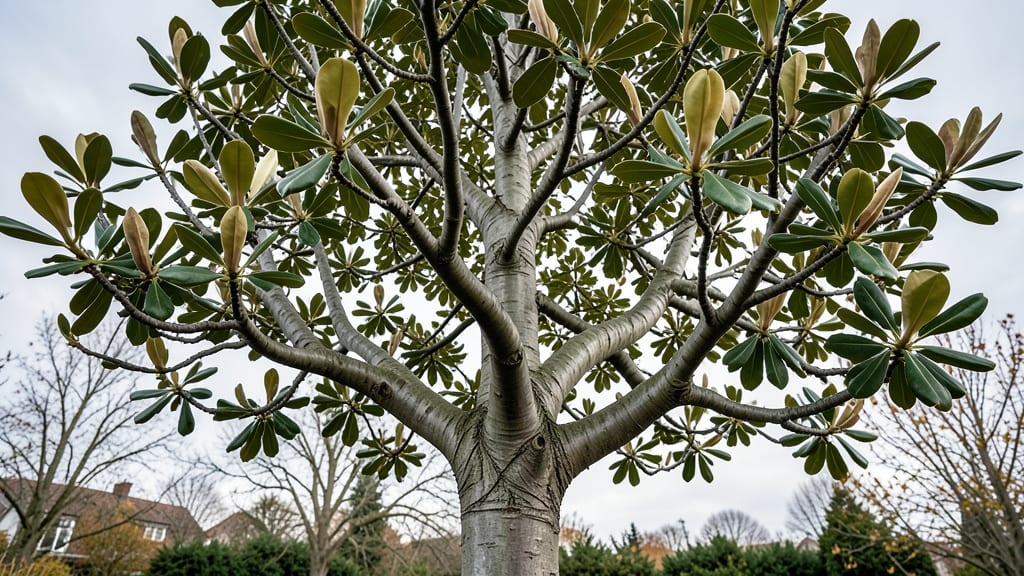
If you love the sight of magnolia trees bursting with spring blooms, resist the urge to prune them this fall. Their large, velvety flower buds are already formed—removing them now means your tree will have to start over, growing new buds next season instead of showing off its signature display.
These buds develop over summer and early fall, storing energy for next year's spectacular flowers. Pruning now disrupts this process, leaving your tree weaker and less vibrant when spring arrives. Instead, wait until late winter (just before buds swell) to prune, giving the tree time to recover and ensuring those iconic blooms appear on schedule.
This timing is especially important for gardeners who've invested in magnolias for their fragrance and beauty. Patience now means a more dramatic show next spring—worth the wait! ✨
Honey Locust Trees With Seed Pods
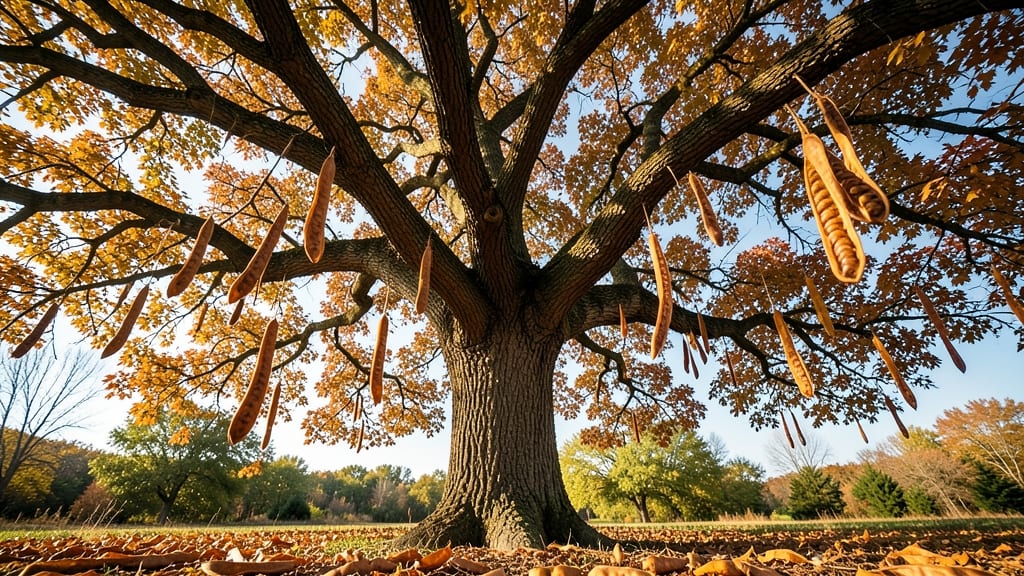
Those striking honey locust trees with their long, seed-packed pods are already busy preparing for next season. Their distinctive fall seed pods aren’t just decorative—they’re essential for storing energy and nutrients that fuel spring growth.
Pruning now removes these pods before they fully mature, disrupting the tree’s natural energy cycle. Without them, your honey locust will struggle to support new leaves and branches in spring, leaving it weaker and more prone to stress. Instead, wait until late winter when the tree is fully dormant.
This timing is especially important for urban gardeners who rely on these fast-growing, drought-tolerant trees for shade and wildlife habitat. Give them a break this fall—they’ll reward you with stronger growth next year. 🌱
Japanese Maple Trees With Delicate Branches

If your Japanese maple is the centerpiece of your garden, resist the urge to prune its delicate branches this fall. Their intricate, lace-like structure is already preparing for winter dormancy, and any cuts now could permanently alter their signature growth patterns.
These trees store energy in their branches during autumn to fuel next year's vibrant foliage. Pruning disrupts this process, leaving them vulnerable to winter dieback and frost cracks. Instead, wait until late winter when sap begins to flow—typically February or March—before making any cuts. This timing allows the tree to heal quickly and maintain its unique silhouette that gardeners love.
Perfect for small gardens and bonsai enthusiasts, Japanese maples thrive when left undisturbed during their seasonal transition. Patience now means stunning displays for years to come. 🌟