
Pruning
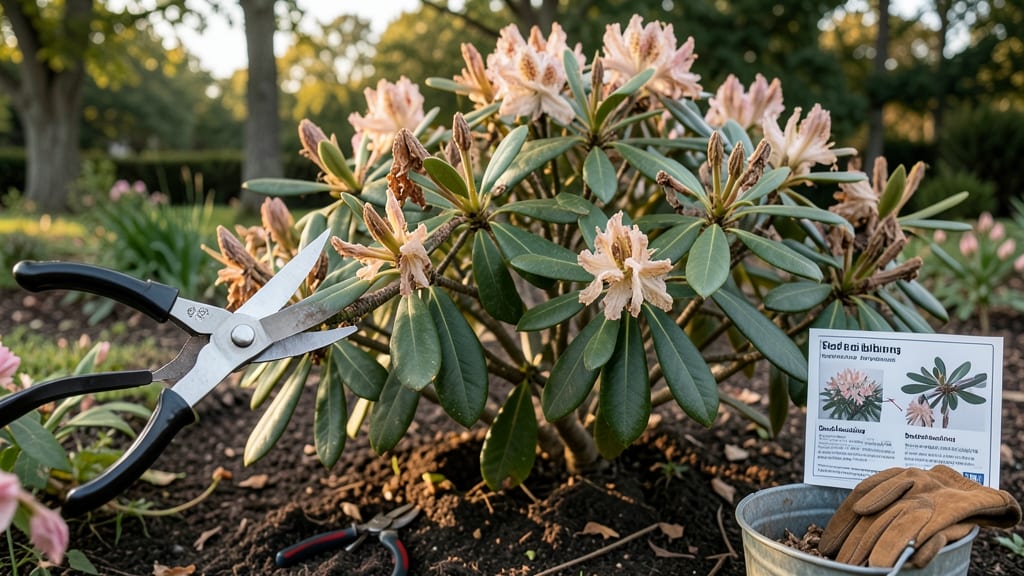
Pruning rhododendrons after flowering isn’t just about shaping—it’s about setting up next year’s showstopping blooms. ✂️ I’ve learned the hard way that cutting too late or too aggressively can leave your shrub struggling, but the right approach transforms a ragged plant into a lush, vibrant centerpiece.
The key? Timing, precision, and knowing exactly where to cut—without sacrificing next season’s flowers.
You’ll need sharp bypass pruners, a pair of gloves, and a clear day to work. The goal is to remove dead or crossing branches first, then thin out crowded stems to improve airflow.
Avoid heavy pruning—rhododendrons bloom on old wood, so over-cutting means fewer flowers next spring. Think of it as a light haircut, not a buzz cut.
After pruning, your rhododendron will reward you with fuller foliage and stronger growth by next year. The branches will look cleaner, and the plant will focus energy on producing those bold, trumpet-shaped blooms you love.
Just remember: the best time to prune is right after flowering, never in late summer or fall.
This method works for all rhododendron varieties, from dwarf types to towering shrubs. Whether you’re tidying up a single plant or shaping a hedge, the same principles apply. Let’s get those shears ready—your rhododendron’s next bloom cycle starts now.
📚 In This Guide
- What you need
- Instructions
- Tips and common mistakes
- Wrapping up and next steps
What you need
- ● Bypass pruners – Sharp, clean pruners (4- to 6-inch blades) for precision cuts on smaller stems.
- ● Loppers – For thicker branches (8- to 10-inch blades), ideal for stems up to 2 inches in diameter.
- ● Hand saw or pruning saw – A fine-tooth saw for larger, woody stems (if needed).
- ● Gloves – Heavy-duty, gardening gloves (waterproof or cut-resistant) to protect your hands from thorns and sap.
- ● Disinfectant (70% isopropyl alcohol or bleach solution) – To sterilize tools between cuts and prevent disease spread.
- ● Rubbing alcohol or hand sanitizer – For cleaning hands after pruning.
- ● Trash bag or bucket – To collect pruned branches and debris.
- ○ Garden twine or zip ties (optional but helpful) – For temporarily securing branches if needed.
- ● Pruning shears with anvil blades – Only if you have very thick, stubborn stems (not ideal for rhododendrons).
- ● Knee pads or a small stool – For comfort if your rhododendron is large or ground-level.
- ● Plant food or compost – To nourish the plant post-pruning (apply after cutting).
- ● Spray bottle with water – To mist tools and hands if sap gets sticky.
- ● Notebook & pen – To sketch a quick map of your pruning plan if your rhododendron is complex.
Step-by-step guide to pruning rhododendron after flowering
Here’s how I transform last year’s faded blooms into next season’s showstopper display—without sacrificing the plant’s health.
✂️ Step 1: Wait for the Right Time
Never prune rhododendrons until after all flower buds have formed for next year. This typically means waiting until late June or early July, when old blooms have fully faded but new flower buds are already visible along the stems. I check by gently rubbing a few stems—if you see tiny, green, rounded buds forming, it’s time to prune.
Pruning too early removes next year’s blooms. If you’re unsure, wait another week. Rhododendrons are forgiving, but this is the one rule I never bend. The goal is to encourage stronger, more abundant flowering by redirecting the plant’s energy toward new growth.
✂️ Step 2: Remove Dead or Damaged Wood
Start by inspecting the plant for any branches that are dead, diseased, or crossing. Dead wood is easy to spot—it’s brown, brittle, and doesn’t bend. Diseased branches may have black spots, mold, or unusual growths. Snip these out at the base with clean, sharp pruners, making a 45-degree cut just above a healthy bud or lateral branch.
Crossing branches compete for sunlight and nutrients, weakening the plant. I always remove the smaller of the two branches to maintain the plant’s natural shape. Never leave stubs—this invites disease. If you’re unsure which branch to remove, look for the one with the most vibrant green leaves and strongest growth.
✂️ Step 3: Thin Out Overcrowded Areas
Rhododendrons hate congestion. Over time, branches grow inward, creating a dense center that blocks airflow and sunlight. Use your pruners to thin out 10-20% of the oldest, thickest stems from the center of the plant, cutting back to a healthy lateral branch or outward-facing bud. This opens up the canopy and encourages new growth on the outer edges.
Focus on stems that are thicker than a pencil—these are the ones hogging resources. You’ll see a dramatic difference in airflow and light penetration after just a few cuts. If the plant looks lopsided, prioritize thinning on the denser side to restore balance. Never remove more than one-third of the plant’s foliage in a single pruning session.
✂️ Step 4: Shape for Next Year’s Blooms
Now’s the time to refine the plant’s shape. Rhododendrons naturally grow in a rounded form, so I aim to maintain that silhouette while encouraging upward growth. Cut back any stems that are growing too close to the ground or sprawling outward. For every cut, angle your pruners just above a bud facing outward—this ensures new growth will fill in gaps and create a fuller plant.
If your rhododendron has leggy stems, you can shorten them by one-third to promote bushier growth. Avoid cutting into old wood—new growth only forms on current-year stems. After pruning, step back and admire your work. The plant should look open, airy, and ready for next season’s blooms.
🌿 Step 5: Clean Up and Apply Mulch
Once pruning is done, remove all fallen leaves, twigs, and debris from the base of the plant. This prevents pests and diseases from taking hold. I also sterilize my pruners with rubbing alcohol to kill any lingering pathogens. After cleanup, apply a 2-3 inch layer of organic mulch around the base, keeping it 6 inches away from the trunk.
The mulch retains moisture, regulates soil temperature, and slowly releases nutrients as it breaks down. Water the plant deeply after mulching to help it recover from pruning. Over the next few weeks, you’ll notice new growth emerging from the pruned areas—this is your reward for strategic cutting.
Tips & tricks for pruning rhododendron after flowering
These strategic insights will help you transform your rhododendron into a thriving, bloom-ready powerhouse—without the common pitfalls that leave plants struggling.
Timing is Everything: The late June to early July window isn't just arbitrary—it's when your rhododendron has already allocated energy to next year's flower buds. I've seen gardeners impatiently prune too early and end up with sparse blooms the following spring. If you're in doubt, do the "bud test": gently rub a stem between your fingers. If you see tiny green buds forming, that's your cue to prune. The plant's natural cycle is what creates those stunning displays.
Precision Cutting Technique: That 45-degree angle cut isn't just for looks—it's about directing growth. When you cut just above a healthy outward-facing bud, you're telling the plant exactly where to send its energy. I always make sure my pruners are sharp (dull blades crush stems) and clean (sterilize with rubbing alcohol between cuts). This technique creates a natural water runoff path that prevents disease buildup at the cut site. Think of it as giving your plant a clean, directed growth signal rather than a random chop.
Strategic Thinning: The 10-20% guideline for thinning oldest stems might seem vague, but it's based on the plant's natural growth patterns. Those stems thicker than a pencil are the real resource hogs—they're siphoning energy that could go to new blooms. I focus on the center first, then work outward. The goal is to create that open, airy structure where sunlight can reach all parts of the plant. You'll know you've done it right when you can see through the center to the trunk below.
Post-Pruning Care: That 2-3 inch mulch layer isn't just decoration—it's a protective shield. Organic mulch breaks down slowly, releasing nutrients exactly when your plant needs them most after the stress of pruning. I always water deeply after applying mulch to help the plant recover. The key is keeping that mulch 6 inches away from the trunk to prevent rot. Think of it as giving your plant both insulation and a slow-release fertilizer all in one.
Pro Tips for Prune Rhododendron After Flowering
- These strategic insights will help you transform your rhododendron into a thriving, bloom-ready powerhouse—without the common pitfalls that leave plants struggling.
- Timing is Everything: The late June to early July window isn't just arbitrary—it's when your rhododendron has already allocated energy to next year's flower buds.
- Precision Cutting Technique: That 45-degree angle cut isn't just for looks—it's about directing growth.
Frequently asked questions
Got questions about pruning rhododendrons after they’ve put on their floral show? You’re not alone! Here are answers to the most common concerns—so you can prune with confidence and keep your shrubs thriving.
When is the exact best time to prune rhododendrons after flowering?
Prune right after the blooms fade but before new buds form (late spring to early summer). Avoid pruning in fall or winter—it stresses the plant and exposes it to frost damage. If you miss the window, wait until early spring, but expect fewer blooms that season.
Can I cut back dead or damaged branches anytime?
Dead, diseased, or crossing branches should be removed year-round to improve airflow and plant health. Just sanitize your shears with rubbing alcohol first to prevent spreading pests. Focus on light shaping during off-seasons.
Will pruning too much reduce next year’s flowers?
Yes—over-pruning (cutting more than 1/3 of the plant) can weaken flowering. Rhododendrons bloom on old wood, so avoid heavy cuts. Instead, prioritize deadheading spent blooms and strategic shaping to encourage next year’s buds.
What if I pruned at the wrong time and now my rhododendron looks sad?
Don’t panic! If pruned too late (fall/winter), your plant may look sparse, but it’ll recover. Focus on watering deeply and fertilizing with acidic, slow-release granules in spring. Avoid pruning again until next year’s blooms fade.
Do I need special tools for rhododendron pruning?
Basic tools work: sharp bypass pruners for small branches and loppers for thicker stems. A sterilizing solution (like 1 part bleach to 9 parts water) keeps cuts clean. Skip hedge shears—they crush stems and harm the plant.
Wrapping up and next steps
Pruning your rhododendron after flowering doesn’t have to be intimidating—just follow these simple steps to keep your plant healthy and vibrant for years to come! By removing spent blooms, shaping strategically, and avoiding over-pruning, you’ll encourage lush foliage and even more stunning flowers next season. 🌸
Now that you’re armed with the right techniques, grab your pruners and give your rhododendron the care it deserves. Your future blooms will thank you! Ready to tackle other garden tasks? Check out our guide on maintaining rhododendrons year-round for a full-season gardening plan.