
Pruning
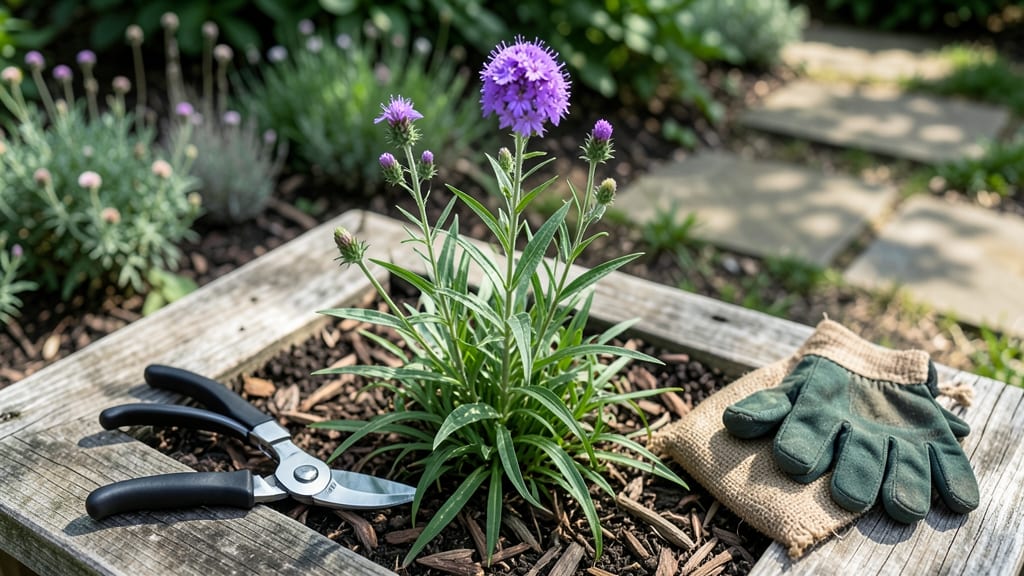
Pruning verbena transforms it from a scraggly mess to a nonstop blooming powerhouse—and the timing is everything. 🌸 I’ve watched my verbena go from leggy and sparse to covered in flowers by mid-summer, all because I pruned at the right moments.
Annuals need a spring trim, while perennials get two cuts: once in early spring and again after summer blooms fade. You’ll need sharp pruners (clean blades prevent disease) and a pair of gloves—verbena can get thorny.
The goal is to encourage bushier growth by cutting back one-third of the plant at a time, always targeting just above a leaf node or set of leaves. Think of it like giving your verbena a haircut that stimulates new growth while keeping its shape tidy.
After pruning, give it a light watering and a balanced fertilizer to reward its efforts. You’ll see fresh shoots within 2-3 weeks, and those will quickly turn into more blooms.
The key is consistency: prune when you see spent flowers or leggy stems, and you’ll keep your verbena looking lush all season. Annuals? Prune in late spring before they bolt. Perennials? Cut back early spring and again after summer blooms. Avoid heavy pruning in fall—you’ll stunt next year’s growth.
With this routine, your verbena will outperform store-bought flowers and last until frost.
📚 In This Guide
- What you need
- Instructions
- Tips and common mistakes
- Wrapping up and next steps
What you need
- ● Sharp pruning shears or bypass pruners – Choose a pair with stainless steel blades (4-6 inches long) for clean cuts. Dull blades crush stems, stressing plants!
- ● Garden gloves – Opt for nitrile-coated or heavy-duty leather gloves to protect against thorns and dirt.
- ● Disinfectant (70% isopropyl alcohol or bleach solution) – Clean tools before and after pruning to prevent disease spread (1 part bleach to 9 parts water).
- ● Trash bag or bucket – For collecting pruned stems and debris (10+ gallon capacity recommended).
- ● Watering can or hose – Keep verbena hydrated before and after pruning (1-2 gallons per plant post-prune).
- ● Hand pruners (for small stems) – Great for tight spaces or delicate trimming (2-4 inch blades).
- ● Garden kneeler/pad – Saves your knees during long sessions (look for durable, non-slip designs).
- ● Plant food or fertilizer – Feed verbena 1-2 weeks after pruning (balanced 10-10-10 or bloom booster).
- ○ Mulch (optional) – Apply 2-3 inches of organic mulch post-prune to retain moisture (shredded bark or straw).
Step-by-Step guide to pruning verbena for maximum blooms
Here's my foolproof method for keeping verbena flowering like crazy all season long.
✂️ Step 1: Pinch Back Young Plants Early in the Season
When your verbena plants are about 4-6 inches tall and have developed their first 4-6 true leaves, it's time for the first pinch. Use clean, sharp pruners to snip just above a set of leaves where new growth will emerge. This encourages the plant to branch out instead of growing tall and leggy.
I always do this in late spring when nighttime temperatures stay above 50°F. The reason we pinch early is that verbena naturally grows in a bushy habit when encouraged to develop multiple stems. Without this step, you'll end up with one long stem and a few flowers at the top.
✂️ Step 2: Deadhead Regularly Throughout the Blooming Season
As soon as you see spent blooms with browned petals, snip them off at the base where they meet the stem. I use my fingers for this—just pinch off the faded flowers between your thumb and forefinger. This might seem tedious, but it's the single most important step for continuous blooming.
Do this every 7-10 days during peak flowering. You'll notice new buds forming within 3-5 days of deadheading. The key is consistency—if you let too many flowers go to seed, the plant will shift its energy from producing new blooms to seed development.
✂️ Step 3: Light Pruning After Each Major Flowering Wave
When you see clusters of spent blooms or notice the plant looking tired, it's time for a light pruning. Cut back about ⅓ of the plant's height, making your cuts just above a leaf node or set of leaves. This stimulates fresh growth and keeps the plant compact.
I do this about every 6-8 weeks during the growing season. After pruning, give the plant a light feeding with a balanced fertilizer (10-10-10). You'll see new growth emerging from the pruned stems within 10-14 days, and the plant will quickly bounce back with fresh blooms.
✂️ Step 4: Late-Season Cleanup Before Frost
When temperatures start dropping below 40°F at night and your verbena shows signs of slowing down, it's time for final cleanup. Cut back the entire plant by about half its height, removing all dead or damaged stems. This helps the plant stay tidy and makes next year's growth stronger.
Don't remove all the foliage—leave about 4-6 inches of growth. In warmer climates, verbena can often survive winter with some protection, but in colder areas, it's best to treat it as an annual and start fresh in spring. The cleanup helps prevent diseases from overwintering in dead plant material.
⏰ Step 5: Winter Care for Perennial Varieties
If you're growing perennial verbena varieties, protect them from winter damage by cutting back further to about 2-3 inches tall and covering the base with 2-3 inches of mulch. This helps insulate the crown from freezing temperatures. In spring, remove the mulch and prune back any dead growth before new shoots emerge.
I always wait until after the last frost date in my area before doing any serious pruning in spring. The new growth will be more vigorous if you let the plant wake up naturally. Once new shoots appear, you can do a final light pruning to shape the plant for the coming season.
Tips & tricks for pruning verbena like a pro
Mastering verbena pruning transforms your garden from occasional blooms to nonstop color. Here's what I've learned after years of trial and error—tricks that'll keep your plants thriving.
Timing is Everything: The 50°F nighttime temperature threshold in Step 1 isn't just arbitrary—it's when verbena's natural growth cycle kicks into high gear. If you pinch too early when nights are still chilly, you'll stunt growth. Wait until mornings consistently stay above 50°F, and you'll see bushier plants within weeks. I've seen verbena that was pinched at the right time produce flowers just 6 weeks later!
Deadheading Discipline: Those 7-10 day deadheading intervals in Step 2 might seem frequent, but they're crucial. I used to think "every few weeks" would suffice—until I realized my plants were putting energy into seed production instead of new blooms. The 3-5 day window for new buds to appear gives you a clear visual cue: if you see fresh buds forming, you're on track. Set a phone reminder if needed!
Pruning Precision: When you cut back ⅓ of the plant's height in Step 3, always make clean cuts just above a leaf node. I learned this the hard way—cutting too close to the stem leaves a stub that can rot. Use sharp pruners and angle your cut slightly downward to prevent water from pooling. This small detail keeps your verbena healthy and flowering for months.
Seasonal Strategy: The 40°F nighttime threshold in Step 4 signals it's time for late-season cleanup. In my zone 7 garden, I've found that cutting back to 4-6 inches of growth gives the plant enough energy to survive winter while still having fresh growth in spring. For colder climates, consider bringing potted verbena indoors before the first frost—it'll reward you with early spring blooms.
Pro Tips for How Do You Prune Verbena
- Mastering verbena pruning transforms your garden from occasional blooms to nonstop color.
- Timing is Everything: The 50°F nighttime temperature threshold in Step 1 isn't just arbitrary—it's when verbena's natural growth cycle kicks into high gear.
- Deadheading Discipline: Those 7-10 day deadheading intervals in Step 2 might seem frequent, but they're crucial.
Frequently asked questions
about pruning verbena—because even the pros need a little guidance! Here are answers to the most common questions to keep your plants thriving.When is the best time to prune verbena for maximum blooms?
Prune verbena after the first flush of blooms in early spring or late winter (for perennial varieties) and again in early summer. For annuals, a light trim after flowering encourages more blooms. Avoid heavy pruning in fall—let the plant rest!
Can I prune verbena too much? What are the signs?
Yes! Over-pruning can stress the plant, leading to sparse foliage or fewer blooms. If you see bare stems, yellowing leaves, or no new growth after pruning, you’ve likely cut too much. Aim to remove no more than 1/3 of the plant at once.
What should I do if my verbena looks leggy or woody after pruning?
Leggy or woody verbena often needs a harder prune—cut back to 4-6 inches from the base in early spring. This stimulates fresh, bushy growth. For woody stems, trim just above a leaf node (where new shoots emerge) to encourage branching.
Does pruning verbena work the same in hot, humid climates?
In hot/humid areas, prune early in the morning to reduce stress. Avoid pruning during heatwaves—wait for cooler weather. Also, deadhead spent blooms regularly to prevent fungal issues (like powdery mildew) that thrive in damp conditions.
Can I propagate verbena from pruned cuttings?
Use 4-6 inch cuttings from healthy stems, strip lower leaves, and root in water or moist perlite. Keep in bright, indirect light until roots form (2-4 weeks). Verbena roots easily—great for free plants!
Wrapping up and next steps
Pruning your verbena doesn’t have to be intimidating—just a little timing, technique, and tenderness will keep those vibrant blooms coming all season long! 🌸 By following the right steps—whether it’s deadheading spent flowers, trimming leggy growth, or giving it a mid-season refresh—you’ll encourage bushier, healthier plants that thrive.
Remember, consistency is key, and soon you’ll be rewarded with a lush, long-lasting display that’s the envy of the neighborhood.
Ready to put your new skills to the test? Grab your pruners and head outside! Start with just one plant, observe how it responds, and adjust your approach as needed. Happy pruning—your verbena (and your garden) will thank you! 🌿✨