
Pruning
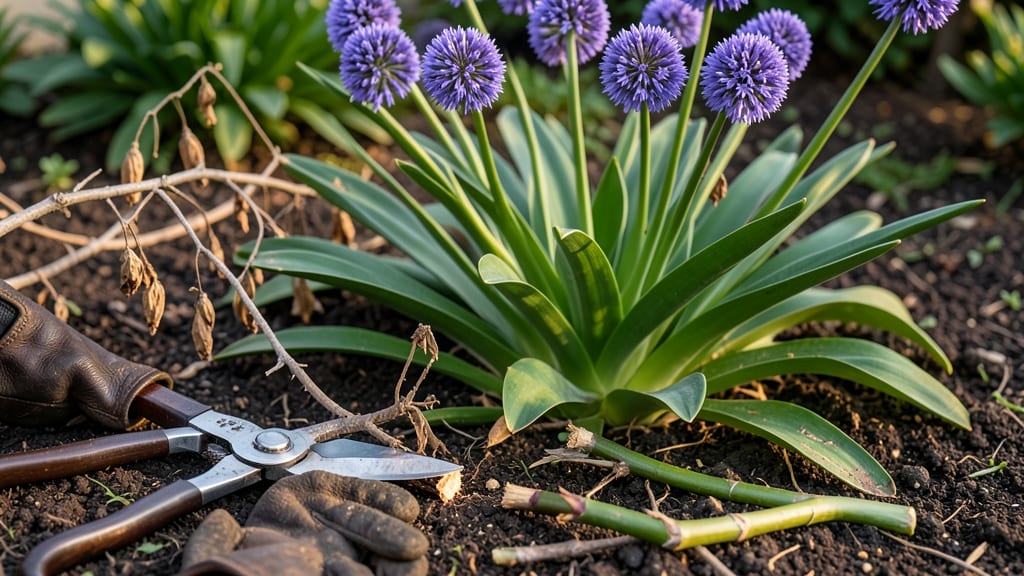
Pruning agapanthus plants isn't just about cutting back—it's the secret to bold, blue blooms that last for months. 💙 I've learned that skipping this step means fewer flowers and leggy stems, but with the right timing and technique, you'll have plants that look like they're straight out of a botanical garden.
The best time to prune is late winter or early spring, right before new growth appears. Grab your pruners, sanitize them with rubbing alcohol, and cut back the old foliage to about 6 inches from the ground.
This might seem drastic, but it's what encourages those thick, healthy stems that produce the most blooms. You'll notice new shoots emerging within 2-3 weeks, and by midsummer, your agapanthus will be packed with flowers.
The key is patience—don't rush it, and avoid cutting into the crown, which can damage the plant. This method also prevents fungal diseases by improving airflow. Works for both container-grown and in-ground agapanthus. Here's how to do it right—no guesswork, just lush, long-lasting blooms every season.
📚 In This Guide
- What you need
- Instructions
- Tips and common mistakes
- Wrapping up and next steps
What you need
- ● Pruning shears or secateurs: Choose sharp, bypass-style shears (not anvil-type) to make clean cuts without crushing stems. Size: 6-8 inches for medium stems.
- ● Garden gloves: A pair of cut-resistant, breathable gloves (e.g., leather or heavy-duty synthetic) to protect your hands from thorns and dirt.
- ● Disinfectant (70% isopropyl alcohol or bleach solution): 1 part bleach to 9 parts water to sterilize tools between cuts and prevent disease spread.
- ○ Garden twine or plant ties: (Optional but helpful) To secure tall stems after pruning if needed.
- ● Garden waste bag or bucket: For collecting trimmings—5-gallon size works well for moderate pruning.
- ● Ladder or step stool: If your agapanthus is over 4 feet tall, use a stable ladder (with non-slip feet) or stool for safe access.
- ● Hand pruners (smaller shears): For delicate trimming of smaller stems or deadheading.
- ● Sharp knife or razor blade: For precision cuts on stubborn stems.
- ● Compost bin: To recycle trimmings into nutrient-rich compost.
- ● Plant food (balanced fertilizer): 10-10-10 or similar, to revitalize plants post-pruning.
- ● Safety glasses: If working with dense foliage that might kick up debris.
Step-by-Step guide to pruning agapanthus for year-round health
Here's how I keep my agapanthus blooming reliably—no guesswork, just proven timing and technique.
✂️ Step 1: Deadhead Spent Blooms After Flowering
Once your agapanthus flowers fade—usually 6-8 weeks after blooming—snip the entire flower stalk down to the base with clean, sharp pruners. I wait until the blooms look completely spent and the foliage starts yellowing slightly. This prevents the plant from wasting energy on seed production and redirects it toward next year's buds.
Make your cut at a 45-degree angle about ½ inch above a leaf node. This angle helps water run off the cut, reducing rot risk. I always sterilize my pruners with rubbing alcohol between cuts—agapanthus can harbor fungal spores that spread easily through open wounds.
⏰ Step 2: Trim Back Foliage in Late Fall or Early Winter
When your region's first hard frost hits—or after the first frost if you're in a milder climate—cut back the entire foliage down to 2-3 inches above the ground. This is the plant's natural dormancy period, and removing the old growth prevents disease buildup and makes spring regrowth cleaner.
I use this step to assess the plant's health. If you see brown, mushy stems, that's a sign of rot—dig up and inspect the roots immediately. Healthy stems should feel firm and slightly woody. Never leave dead foliage standing over winter; it traps moisture and invites pests.
🌱 Step 3: Lightly Shape in Early Spring Before New Growth
As soon as you see first green shoots emerging in early spring, give your agapanthus a light shape-up. Remove any dead or crossing stems at the base, and trim back any remaining old growth that might still be brown. This creates space for new shoots and improves airflow.
Here's the thing—don't overdo it. Agapanthus stores energy in its thick rhizomes, so you're not pruning for shape but for health. I usually only remove 10-20% of the total foliage at this stage. Watch for new leaves unfurling; once they reach 2-3 inches tall, the plant is actively growing and ready for fertilizer.
☀️ Step 4: Maintain Throughout Growing Season
During the growing season, I only prune agapanthus when necessary. Remove any yellowing or diseased leaves immediately with sanitized pruners. If you notice leggy stems reaching too far outward, you can trim them back by ⅓ of their length to encourage bushier growth.
This is also when I check for flower buds forming. If you see tight clusters of buds developing, avoid heavy pruning nearby—those buds need all the energy they can get. A light watering around the base helps the plant support its blooms without stress.
Tips & tricks for perfect agapanthus pruning
These simple tricks will help you keep your agapanthus thriving and blooming beautifully year after year.
Timing is Everything: The 6-8 week window after flowering is critical for Step 1. I've found that waiting until the blooms are completely brown and crispy (not just wilted) gives the best results. This ensures you're not removing healthy buds that might still be developing. If you're unsure, wait until you see slight yellowing on the foliage—this is your plant's way of signaling it's ready for pruning.
Tool Preparation Matters: Before you start pruning, sterilize your tools with rubbing alcohol—this is especially important in Step 1 and Step 4. I keep a small bottle of 70% isopropyl alcohol in my gardening shed and wipe down my pruners between every 3-4 cuts. This prevents spreading fungal diseases that can weaken your agapanthus over time. Sharp tools also make cleaner cuts, which heal faster and reduce the risk of infection.
Seasonal Health Check: When you're trimming back foliage in Step 2, use this as an opportunity to assess your plant's overall health. Healthy stems should feel firm when you gently squeeze them. If you notice any mushy or hollow stems, this is a sign of rot. I've learned the hard way that ignoring these signs can lead to the plant's decline—dig up and inspect the roots immediately if you spot these symptoms. Healthy roots should be firm and white, not brown or soft.
Spring Growth Cues: In Step 3, pay close attention to those first green shoots—they're your signal to start pruning. I've found that waiting until they reach about 2-3 inches tall gives me the perfect balance between encouraging new growth and not removing too much foliage too soon. This timing also helps me avoid accidentally pruning any emerging flower buds that might be hidden among the new growth.
Pro Tips for Agapanthus Plants Pruning
- These simple tricks will help you keep your agapanthus thriving and blooming beautifully year after year.
- Timing is Everything: The 6-8 week window after flowering is critical for Step 1.
- Tool Preparation Matters: Before you start pruning, sterilize your tools with rubbing alcohol—this is especially important in Step 1 and Step 4.
Frequently asked questions
Got questions about pruning your agapanthus? You’re not alone!
Here are answers to the most common concerns—from timing to troubleshooting—to keep your plants thriving with minimal fuss.
When is the best time to prune agapanthus?
Prune agapanthus after blooming (late summer to early fall) to remove spent flower stalks and encourage next year’s growth. A light trim in early spring (before new shoots emerge) helps shape the plant. Avoid pruning in winter unless removing dead foliage—agapanthus stores energy in its roots!
How much should I cut back agapanthus?
For healthy, established plants, trim flower stalks down to the base and cut back any dead or yellowing leaves by ⅓ of their height. Avoid drastic pruning—never cut more than 25% of the foliage at once, as agapanthus is slow to recover. Think of it as a haircut, not a buzz cut!
What if my agapanthus looks sad after pruning?
If your plant seems too bare post-prune, it’s likely just resting. Agapanthus is hardy and will bounce back with proper care: water deeply, fertilize lightly (use a balanced 10-10-10), and avoid pruning again until spring. Patience is key! Over-pruning can stress the plant, but it rarely kills it.
Can I prune agapanthus in winter?
Yes, but only for cleanup—remove dead or damaged leaves in late winter (February) to prevent pests or disease. Avoid heavy pruning, as winter is the plant’s dormant phase. If your region has harsh winters, mulch around the base to protect roots. No need for drastic cuts!
Do I need special tools to prune agapanthus?
Not necessarily! Use clean, sharp bypass pruners for flower stalks and a hand pruner or garden shears for foliage. Sterilize tools with rubbing alcohol to prevent disease. For large clumps, a serrated knife works too. Dull tools = jagged cuts = stress for your plant.
Will pruning make my agapanthus bloom more?
Pruning after blooming removes spent flowers, redirecting the plant’s energy to next year’s blooms. Plus, trimming dead leaves improves airflow, reducing fungal risks. For extra blooms, fertilize lightly in spring and ensure full sun (6+ hours daily). Less fuss = more flowers!
Wrapping up and next steps
Pruning your agapanthus plants doesn’t have to be intimidating—just a little timing, the right tools, and a gentle hand will keep them thriving! 🌿 With these year-round tricks, you’ll enjoy bold blooms and healthy growth for seasons to come.
Now that you’re armed with the know-how, grab those shears and give your agapanthus the care it deserves.
Ready to transform your garden? Start by scheduling your next pruning session—whether it’s trimming back dead foliage in late winter or shaping up after blooms fade. Your agapanthus will thank you! 🌸