
Pruning
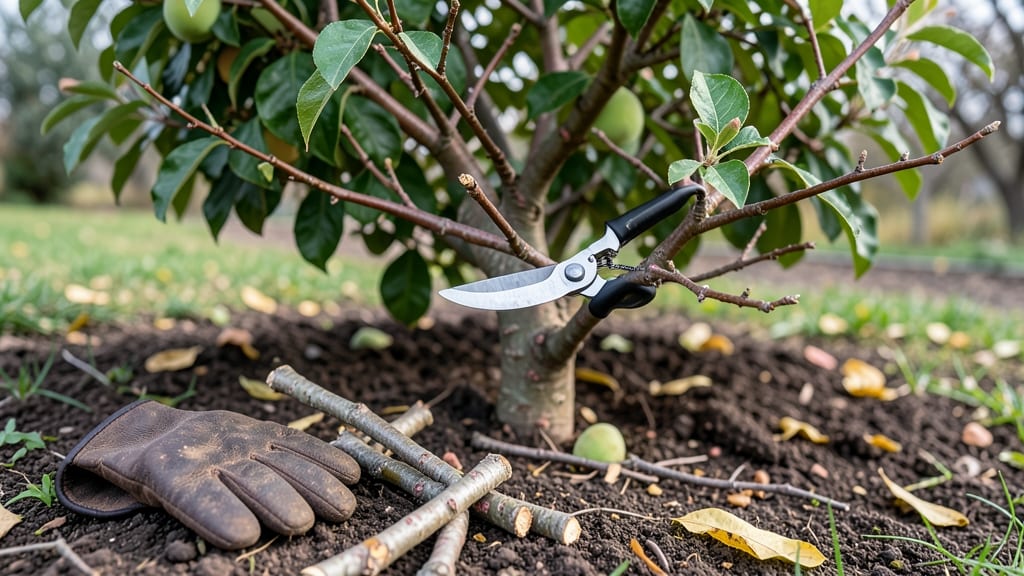
You can prune a peach tree after it blooms, but it’s risky and should be done minimally to avoid cutting off flower buds and reducing that season’s fruit yield. Late pruning also increases stress and disease vulnerability compared to winter pruning.
Peach trees produce flower buds on last year’s wood, meaning any major pruning after blooming removes potential fruit clusters. 🌸 The tree’s energy shifts to supporting existing fruit, so aggressive cuts force it to divert resources away from growth and ripening.
Even light trimming after blooms can weaken the tree’s resilience, making it more susceptible to pests or fungal infections during hot summer months.
If you must prune post-bloom, focus on removing only dead, diseased, or crossing branches—never more than 10-15% of the canopy. Use sharp, sterilized tools to make clean cuts just outside branch collars, and seal larger wounds with pruning sealant to prevent infection.
The safest time for late pruning is immediately after harvest, when the tree has finished fruiting but before new flower buds begin forming.
💡 In This Article
- Why Late Pruning Damages Peach Tree Fruit Yields
- Safe Late-Pruning Techniques for Peach Trees
Why late pruning damages peach tree fruit yields
Peach trees rely on last year’s wood to produce flower buds, which bloom in early spring. When you prune after blooming, you risk cutting off these buds before they’ve had a chance to develop into fruit.
The tree’s energy is already focused on supporting existing fruit, so removing branches forces it to redirect resources—often at the expense of fruit size, sweetness, or even ripening. Studies show that aggressive post-bloom pruning can reduce fruit yield by up to 30-50% in that season.
The biological mechanism is simple: peach trees prioritize survival and reproduction. After blooming, the tree’s vascular system shifts to support fruit growth, while new flower buds begin forming for next year. Cutting branches disrupts this balance, triggering a stress response that can delay fruit maturation or cause premature drop.
The tree’s immune system also weakens, making it more vulnerable to pests like peach tree borers or diseases like brown rot, which thrive in stressed trees. 🌿
Timing matters even more than technique. Pruning after blooming but before harvest removes potential fruit clusters entirely, while post-harvest pruning (after July-August) risks interfering with next year’s bloom. The ideal scenario is winter pruning, when the tree is dormant and flower buds haven’t yet formed.
Even if you must prune late, limit cuts to no more than 10-15% of the canopy to minimize stress.
Consider the sensory impact: a well-pruned peach tree in spring is a sight to behold—dense with blossoms and future fruit. After late pruning, you might see fewer flowers next year, and the remaining fruit may lack the vibrant color or sweetness of a properly cared-for tree.
The aroma of ripe peaches also suffers when the tree is stressed, as sugar development is compromised by the energy drain from healing wounds.
For example, a 5-year-old peach tree with a 12-foot canopy might produce 200-300 fruits in a good year. Prune it aggressively after blooming, and that number could drop to 100-150 fruits, with smaller, less flavorful peaches.
The trade-off isn’t worth it unless absolutely necessary—like removing a branch that’s rubbing against another or deadwood from a storm.
What most gardeners don’t realize is how quickly peach trees respond to stress. Within 48 hours of a major cut, the tree begins sealing the wound, but the energy spent on this process could have gone toward fruit development.
This is why minimal, strategic pruning is key—every cut should serve a purpose, whether it’s improving airflow, removing disease, or shaping the tree for long-term health. 🌳