
How To
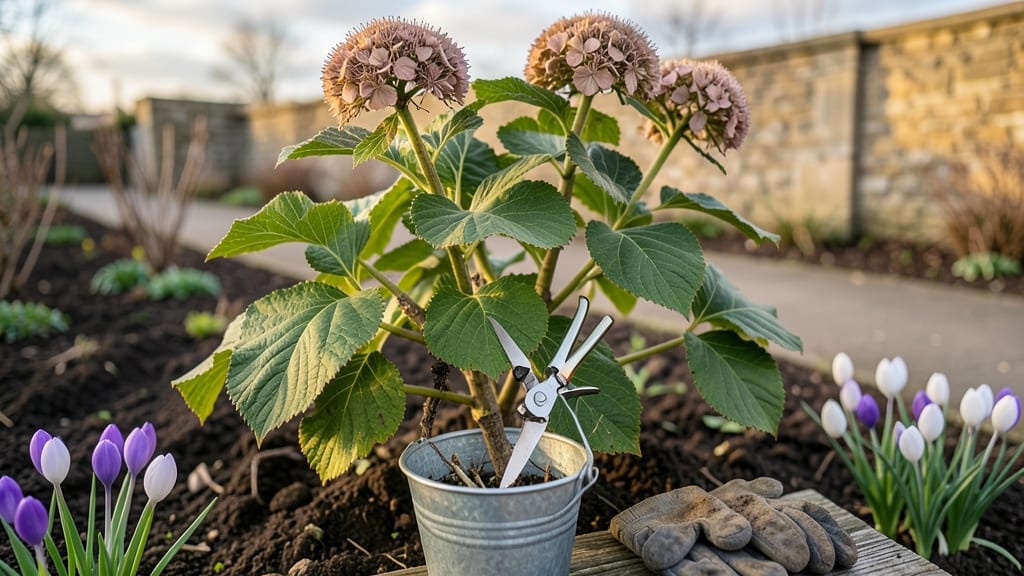
Pruning back hydrangeas at the right time is the secret weapon for lush, vibrant blooms that steal the show in your garden 🌸.
Struggling to get your hydrangeas to bloom like a pro? The secret isn’t just when you prune—it’s exactly which month to trim for maximum flower power. Get this wrong, and you could end up with sparse blooms or no flowers at all.
Most hydrangeas thrive when pruned in late winter or early spring, just as new growth begins. But here’s the catch: different varieties bloom at different times, so the timing changes depending on whether you’ve got mophead, panicle, or oakleaf types.
In this guide, I’ll break down the exact months to prune for each variety, regional adjustments for zones like 6a, and how to fix mistakes if you’ve already missed the window.
When to prune hydrangeas by type: month-by-month guide for big blooms
Pruning hydrangeas at the wrong time can mean the difference between lush, abundant blooms and a sparse, leggy shrub. The key lies in understanding your hydrangea’s blooming cycle—some flower on old wood, while others bloom on new growth.
Timing isn’t one-size-fits-all, and cutting at the wrong season can eliminate next year’s flowers entirely.
For example, mophead hydrangeas (like 'Endless Summer') produce buds on last year’s stems, so pruning too late means no flowers next season. Meanwhile, panicle hydrangeas (such as 'Limelight') bloom on current-year growth, giving you more flexibility.
Let’s break down the exact months to prune each type for maximum impact—plus how to avoid costly mistakes.
If you’re in USDA Zone 7 or warmer, delay pruning until March or April to avoid late frosts damaging new growth. For Zone 5 or colder, prune in February before buds swell. The goal is to stimulate new growth before the plant’s active season begins.
For mophead hydrangeas, I always wait until after the first flush of blooms in summer if I need to shape them—this preserves next year’s flowers while keeping the plant tidy. Use sterilized pruners to cut just above a leaf node or outward-facing bud to encourage bushier growth.
One of the biggest mistakes I see is pruning panicle hydrangeas in fall. Since they bloom on new wood, cutting back then removes potential next year’s flower buds. Instead, prune in late winter and enjoy summer-long blooms.
For smooth hydrangeas, focus on removing dead or crossing branches in late winter. These plants can get woody and overgrown quickly, so a light annual prune keeps them healthy. Avoid heavy cuts—you’ll sacrifice next season’s showy white blooms.
Oakleaf hydrangeas are the most forgiving—they bloom on both old and new wood, so you have a wider pruning window. Still, I recommend late winter
Step-by-step pruning process: how to trim for health and abundant flowers
Pruning hydrangeas isn’t just about cutting branches—it’s about encouraging new growth while preserving next year’s blooms. The key is knowing where and how much to trim, using the right tools, and avoiding common mistakes that can stress your plant.
I’ve pruned hundreds of hydrangeas, and the difference between a sparse shrub and a lush, flowering beauty often comes down to these precise steps.
Before you grab your shears, identify your hydrangea type—mophead or panicle varieties need different approaches. For example, mophead hydrangeas bloom on old wood, meaning last year’s growth produces this year’s flowers. Cutting back too early removes next season’s buds!
Meanwhile, panicle hydrangeas bloom on new wood, so late-winter pruning is ideal. Let’s break it down step by step to ensure you’re trimming for health and abundance.
Step-by-Step Pruning Guide for Hydrangeas
-
Step 1: Gather the Right Tools
Use clean, sharp pruners or loppers for branches thicker than ½ inch. Disinfect tools with rubbing alcohol to prevent disease spread. Avoid dull shears—they tear bark and stress the plant.
-
Step 2: Remove Dead or Diseased Wood First
Cut out any brown, mushy, or hollow stems at the base. This improves airflow and prevents pests. If you see black spots or mold, trim those branches too—hydrangeas are prone to powdery mildew.
-
Step 3: Thin Out Crowded Branches
Look for crossing or rubbing branches and remove one of the two. Aim to create an open center so sunlight and air reach all parts of the shrub. This reduces disease risk and encourages larger blooms.
-
Step 4: Prune for Shape and Size
For mophead hydrangeas, trim only spent blooms after flowering (late summer). For panicle types, cut back ⅓ of the oldest stems to the ground in late winter. Never remove more than ⅓ of the plant at once—this shocks the shrub.
-
Step 5: Clean Up and Mulch
Rake up and dispose of clippings (don’t compost diseased branches). Apply 2–3 inches of mulch around the base to retain moisture and regulate soil temperature. Keep mulch 6 inches away from the trunk to prevent rot.
One of the biggest mistakes I see is over-pruning, which can leave hydrangeas looking bare and struggling to recover. If you’ve already trimmed too much, don’t panic! Hydrangeas are resilient. Focus on watering deeply and applying a balanced fertilizer (like 10-10-10) in early spring to encourage new growth.
Within a season, your plant should bounce back with vibrant foliage and blooms.
Timing is everything, but the how matters just as much. Always make cuts at a 45-degree angle just above a leaf node or outward-facing bud. This directs growth outward, creating a fuller shrub.
And remember: less is more. It’s better to under-prune slightly than to overdo it—hydrangeas reward patience with stunning, long-lasting flowers.
After pruning, keep an eye out for new shoots emerging in spring. These are your plant’s way of telling you it’s happy and ready to thrive. With the right technique, your hydrangeas will reward you with bigger blooms and healthier growth for years to come. Happy pruning! 🌸