
Pruning
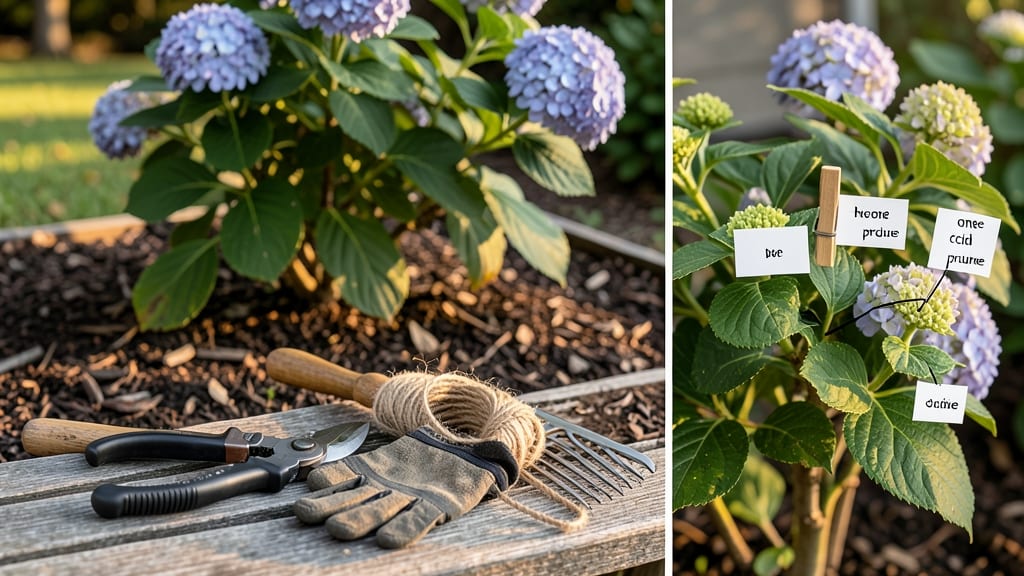
Should hydrangeas be pruned in the fall? It’s a dangerous gamble—unless you live in Zone 9 or warmer. 🌿 I’ve watched neighbors in my area cut back their bushes in October only to wake up to frost-nipped stems and stunted blooms by spring. The real secret? Pruning in late winter when the plant’s dormant but the risk of hard freezes has passed.
Here’s what actually works: Wait until mid-February to early March in most zones, when you can see buds forming but before new growth starts. This timing gives your hydrangeas time to heal before summer’s heat arrives. The result? Bushier plants with more abundant blooms next season—no guesswork, no frost damage.
If you must prune in fall, do it only in mild climates (Zones 8-10) and focus on removing dead wood or shaping lightly. Otherwise, skip it entirely and use winter as your pruning window. The payoff? Hydrangeas that burst with color earlier and more dramatically than ever before.
Pro tip: Mark your calendar now for late winter—that’s when the magic happens. And if you’re unsure about your zone, check the USDA map and adjust your timing accordingly. Your hydrangeas will thank you with bold, healthy blooms all summer long.
📚 In This Guide
- What you need
- Instructions
- Tips and common mistakes
- Wrapping up and next steps
What you need
- ● Pruning shears or secateurs: Choose bypass pruners (sharp, clean blades) for clean cuts. Look for 5-inch blades for medium-sized stems.
- ● Loppers: For thicker stems (½ inch or larger), use long-handled loppers (24–36 inches) for leverage and comfort.
- ● Garden gloves: A pair of cut-resistant, breathable gloves (e.g., mechanized or leather) to protect your hands from thorns and sharp edges.
- ● Disinfectant (70% isopropyl alcohol or bleach solution): Clean tools between cuts to prevent disease spread (1 part bleach to 9 parts water).
- ○ Pruning saw (optional but helpful): For stems too thick for loppers (1–2 inches), a curved-bladed pruning saw works best.
- ● Rake or broom: To clear fallen leaves and debris after pruning.
- ○ Mulch (optional but recommended): 2–3 inches of organic mulch (e.g., shredded bark or pine straw) to protect roots over winter.
- ● Hand pruners with a bypass blade: For precision trimming of smaller stems.
- ● Knee pads or a small stool: For comfort if you’re working with large bushes.
- ● Plant marker or flags: To label pruned sections if you’re experimenting with different techniques.
- ● Compost bin or bag: For collecting pruned material to repurpose as compost.
- ● Safety glasses: If you’re dealing with particularly thorny or overgrown hydrangeas.
Instructions for pruning hydrangeas at the right time
Timing matters more than you think—prune at the wrong season, and you’ll sacrifice next year’s floral display. Here’s how to do it right.
⏰ Step 1: Identify Your Hydrangea Type and Bloom Time
Not all hydrangeas play by the same rules. Bigleaf hydrangeas (Hydrangea macrophylla)—like the classic Endless Summer series—bloom on old wood, meaning their flower buds form the previous summer and bloom the following year. Prune these in late winter or early spring (February-March in most climates) when you can see the framework of last year’s growth but before new shoots emerge.
On the other hand, panicle and oakleaf hydrangeas (Hydrangea paniculata and Hydrangea quercifolia) bloom on new wood, so they thrive when pruned in late winter or early spring too, but can also tolerate light pruning in fall. If you’re unsure, check your plant’s label or snap a photo of the flower head—old wood bloomers have dense, rounded clusters, while new wood types have cone-shaped blooms.
✂️ Step 2: Gather Tools and Prepare for Pruning
You’ll need clean, sharp pruners (sterilize them with rubbing alcohol to prevent disease spread) and a pair of gloves. Work on a dry day when temperatures are above 40°F—cold, wet conditions stress the plant. Remove any dead, diseased, or crossing branches first. These don’t need to wait for the right season; they’re always fair game for cleanup.
I also like to lay out a tarp beneath the plant to catch debris. Hydrangeas shed a surprising amount of leaf litter, and keeping the base tidy makes future pruning easier. If your plant is large, consider wearing long sleeves—hydrangea leaves can be prickly, and the sap might irritate sensitive skin.
🌿 Step 3: Prune for Shape and Airflow
For old wood bloomers, cut back only the oldest stems—those that are 3-4 years old or more⅓ of their height. This encourages new growth from the base while preserving last year’s blooms. Avoid heavy pruning; you’re not shaping a topiary here. Think of it as a light haircut rather than a buzz cut.
For new wood types, you can be slightly bolder. Remove up to ⅓ of the oldest stems at ground level to rejuvenate the plant. Look for stems that are thin, weak, or no longer producing vibrant blooms—these are the ones to prioritize. Always make cuts just above a leaf node or outward-facing bud to encourage healthy regrowth.
💧 Step 4: Post-Pruning Care for Strong Recovery
After pruning, water deeply to help the plant recover. Hydrangeas are thirsty, especially after a major trim. Mulch around the base with 2-3 inches of organic mulch (like shredded bark or wood chips) to retain moisture and regulate soil temperature. Avoid piling mulch directly against the stem—keep it 3 inches away to prevent rot.
Now’s also the time to fertilize lightly if your soil is poor. Use a balanced, slow-release fertilizer (like 10-10-10) in early spring to support new growth. Over-fertilizing now can lead to lush foliage but weak blooms, so hold off on heavy feeding until you see fresh shoots emerging.
☀️ Step 5: Monitor and Adjust for Next Year
Keep an eye on your hydrangea over the next few weeks. If new growth appears leggy or sparse, it might need more sunlight—hydrangeas thrive in partial shade to morning sun. If the leaves yellow or the plant looks stressed, check the soil moisture; hydrangeas hate soggy roots but also can’t tolerate drought.
By late spring, you’ll see buds forming. This is your reward for timing it right! If you pruned too late in fall, you might notice fewer blooms next year—but don’t worry, even a misstep teaches you for the next cycle. Adjust your approach based on what you observe, and soon your hydrangea will be the showstopper of the garden.
Tips & tricks for pruning hydrangeas at the right time
Timing your hydrangea pruning can make or break next year's floral display—here's how to avoid common pitfalls and get it right every time.
Bloom Time Intelligence: The key difference between old wood and new wood bloomers is where their flower buds form. For old wood types like bigleaf hydrangeas, those buds formed last summer and need to remain intact until they bloom this year. That's why we prune in late winter/early spring—after the buds have set but before new growth begins. New wood types like panicle hydrangeas can handle fall pruning because their buds form on current year's growth. Always check your plant's label or bloom shape to know which category you're working with.
Seasonal Timing Secret: Fall pruning is only safe for new wood bloomers, and even then, it should be minimal. If you must prune in fall, limit yourself to removing only dead, diseased, or crossing branches—never more than 10% of the plant. The open wounds from heavy fall pruning invite pests and diseases that can overwinter and damage your plant. For old wood types, fall pruning is a guaranteed way to sacrifice next year's blooms, so avoid it completely unless you're dealing with deadwood cleanup.
Cutting Technique Matters: When you make your pruning cuts, always aim just above a leaf node or outward-facing bud. This simple detail makes all the difference in encouraging healthy regrowth. Use clean, sharp pruners to make smooth cuts that heal quickly—ragged cuts create larger wounds that take longer to recover. And remember, the angle matters too: make cuts at a slight downward angle to prevent water from pooling on the cut surface, which can lead to rot.
Post-Pruning Recovery Strategy: After pruning, don't just walk away—give your hydrangeas the care they need to rebound. Water deeply right after pruning to help the plant recover from the shock of losing branches. Apply a 2-3 inch layer of organic mulch around the base (but keep it 3 inches away from the stem) to retain moisture and regulate soil temperature. This is especially important if you've done significant pruning, as the plant will need extra support to produce vigorous new growth.
Pro Tips for Should Hydrangeas Be Pruned In The Fall
- Timing your hydrangea pruning can make or break next year's floral display—here's how to avoid common pitfalls and get it right every time.
- Bloom Time Intelligence: The key difference between old wood and new wood bloomers is where their flower buds form.
- Seasonal Timing Secret: Fall pruning is only safe for new wood bloomers, and even then, it should be minimal.
Frequently asked questions
Got questions about pruning hydrangeas in the fall? You’re not alone! Here are the answers to the most common concerns—so you can prune with confidence and set your shrubs up for a showstopping spring.
Is it safe to prune hydrangeas in late fall or early winter?
While late fall pruning is technically possible, it’s riskier. Cold snaps can stress newly cut stems, and dormant buds may not survive. Wait until late winter (just before new growth starts) for the safest results. If you must prune in fall, do it lightly—just remove dead or diseased wood.
What if I prune my hydrangeas at the wrong time?
Don’t panic! Most hydrangeas are forgiving. If you prune too early (fall) or too late (spring after buds swell), you might miss the blooms that year—but your plant will recover. Bigleaf (H. macrophylla) and oakleaf (H. quercifolia) types bloom on old wood, so avoid heavy cuts. Panicle (H. paniculata) and smooth (H. arborescens) types bloom on new wood and handle pruning better.
Can I prune hydrangeas in fall if they’re diseased or dead?
Fall is the perfect time to remove dead, diseased, or pest-infested branches. Just sterilize your tools with rubbing alcohol between cuts to prevent spreading issues. Focus on cleaning up the plant’s overall health—this won’t affect next year’s blooms.
What’s the best temperature to prune hydrangeas in late winter?
Aim for days above 40°F (4°C) when the ground isn’t frozen. Pruning in freezing temps can shock the plant. If your area has unpredictable winters, wait until early spring (just as buds begin to swell) for ideal conditions. Pro tip: Check the forecast and prune on a mild, dry day.
What if I skip pruning entirely?
Hydrangeas can survive without pruning, but they’ll get leggy, overcrowded, and produce fewer blooms. Regular pruning improves airflow, encourages stronger growth, and keeps your shrubs compact. If you’ve neglected pruning for years, do a gradual cleanup over 2–3 seasons to avoid shocking the plant.
Wrapping up and next steps
So, should you prune hydrangeas in the fall?
The answer depends on your plant’s type and goals—but with the right timing and technique, late-winter pruning can set the stage for showstopping blooms next season! 🌸 Whether you’re trimming back old wood or shaping for growth, the key is to act early (January–February) and strategically.
Ready to give your hydrangeas a fresh start? Grab your pruners, review your notes, and schedule that late-winter session—your future floral masterpiece will thank you! For extra confidence, bookmark this guide or jot down your plant’s needs before you begin.