
Pruning
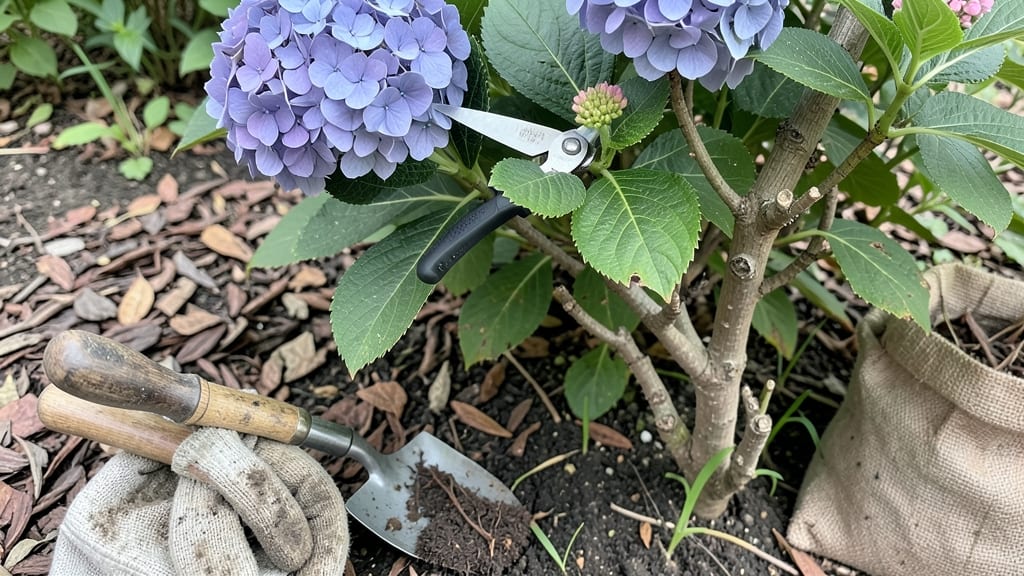
Spring hydrangea pruning care is essential for promoting larger blooms, but the approach varies by type—old wood varieties like mophead require minimal trimming, while new wood types such as panicle hydrangeas thrive with aggressive cuts after flowering. Always sterilize tools and prune before buds begin to swell.
Spring is the perfect time to shape your hydrangeas, but the key lies in understanding your plant's blooming habits. 🌸 Old wood bloomers, which produce flowers on last year's growth, need only light pruning to remove dead stems—cutting too much can sacrifice next year's blooms.
Meanwhile, new wood types that flower on current season's growth can be pruned more aggressively to encourage bushier, fuller plants. I've found that using sharp, clean shears and making cuts just above a leaf node or bud promotes healthier regrowth.
Beyond the cuts, proper timing and post-pruning care make all the difference. After trimming, apply a balanced fertilizer to support new growth, and consider adding a layer of mulch to retain moisture.
For best results, avoid heavy pruning after mid-spring, as this can stimulate tender new growth that may not survive late frosts. The goal is to strike a balance between shaping your plant and preserving its ability to produce stunning blooms year after year.
💡 In This Article
- How to Identify Hydrangea Types for Proper Spring Pruning
- Step-by-Step Spring Pruning Guide for Hydrangeas
How to identify hydrangea types for proper spring pruning
Hydrangeas fall into two main categories based on where they bloom: old wood or new wood types. Old wood bloomers, like the popular mophead and lacecap varieties, produce flowers on stems from the previous growing season.
These plants need minimal spring pruning—just removing dead or damaged stems—to preserve next year's blooms. New wood types, such as panicle and oakleaf hydrangeas, flower on current season's growth, allowing for more aggressive pruning to shape the plant.
Identifying your hydrangea type starts with examining the stems and buds. Old wood bloomers have flower buds that form in late summer or early fall, so their stems often look woody and mature.
In contrast, new wood types develop buds closer to the tips of the current year's growth, which appear softer and more flexible.
For example, panicle hydrangeas (like 'Limelight') have cone-shaped blooms that grow at the ends of new shoots, while oakleaf hydrangeas (like 'Annabelle') produce flowers along the current season's branches.
Visual cues like leaf shape and bloom structure also help. Mophead hydrangeas have large, rounded flower heads, while lacecaps feature flat, delicate blooms with fertile florets in the center. Oakleaf varieties have elongated, oak-shaped leaves and produce smaller, cone-like flowers.
Recognizing these traits ensures you prune at the right time—old wood types should be trimmed before buds swell in early spring, while new wood types can be cut back after they finish flowering in late summer or fall.
The key to successful pruning lies in understanding these growth patterns. If you accidentally prune an old wood bloomer too aggressively, you risk removing next year's flower buds entirely. For instance, a mophead hydrangea pruned back to the ground in spring may produce no blooms the following year.
Conversely, new wood types like panicle hydrangeas can handle hard pruning in late winter or early spring, as they'll regrow from the base and produce abundant flowers by summer.
To avoid mistakes, take a close look at your plant's stems and buds in late winter or early spring. If the buds are plump and swollen, your hydrangea is likely an old wood bloomer and should only be lightly pruned.
If the stems are still bare with no visible buds, it's probably a new wood type, and you can prune more boldly. This careful observation ensures you're working with—not against—your plant's natural growth cycle.
Another helpful tip is to label your hydrangeas when planting or after purchasing. Note the variety name and blooming type on a small stake or plant tag. This simple step saves time and frustration later, as it eliminates guesswork during pruning season.
Over time, you'll develop an eye for recognizing these differences, making spring pruning a straightforward and rewarding task.