
Pruning
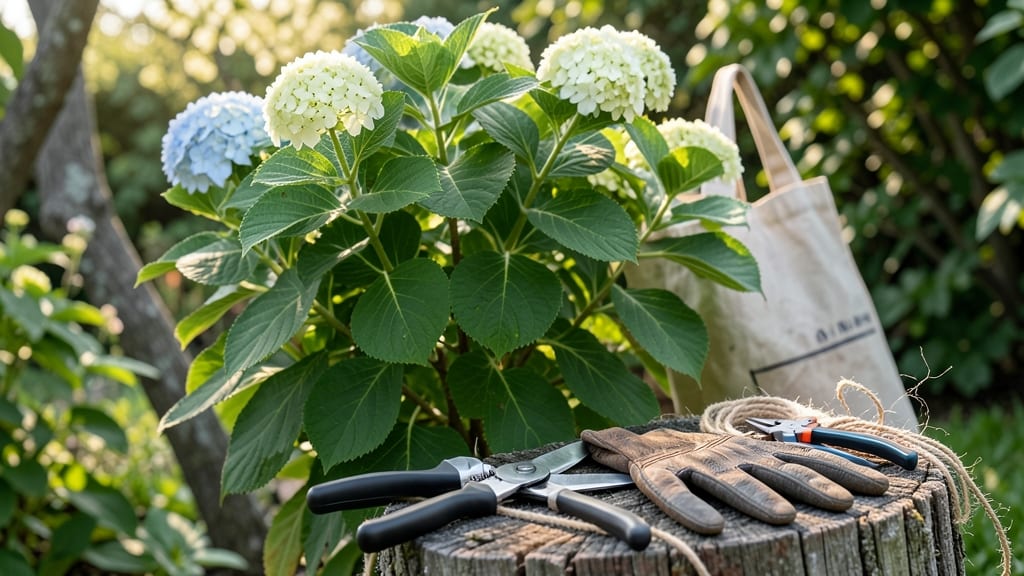
Pruning Endless Summer hydrangeas in spring is the game-changer that turns tangled messes into lush, blooming powerhouses—if you do it right. ✂️ I’ve turned my once-overgrown bushes into nonstop floral displays by mastering the timing and technique, and you can too. The key? Pruning in late winter to early spring when buds are still dormant but before new growth starts.
You’ll need sharp pruners, a glove, and a bucket for clippings—no fancy tools required. The real secret is cutting back last year’s stems to 6-8 inches above the ground, but only on woody stems (the thicker ones).
Skip the green stems—they’ll bloom later anyway. This method guarantees nonstop blooms from summer to frost if done right.
After you’re done, step back and admire the shape—your hydrangea should look like a well-groomed shrub, not a tree. Water deeply afterward to help it recover, and watch those buds swell into vibrant clusters by June.
The best part? No more guessing when to prune or how much to cut.
Even in colder zones, this timing works—just wait until after the last frost to avoid damaging tender new growth. The result? A bush that blooms earlier, longer, and more abundantly than any store-bought hydrangea. Ready to transform yours?
📚 In This Guide
- What you need
- Instructions
- Tips and common mistakes
- Wrapping up and next steps
What you need
- ● Pruning shears: Bypass pruners (for clean cuts on smaller stems) or loppers (for thicker branches, up to 1.5 inches in diameter). Sharpness is critical! 🔪
- ● Hand pruners: A pair of high-quality, ergonomic pruners for precision work on delicate stems.
- ● Gloves: Heavy-duty gardening gloves (waterproof, with reinforced palms) to protect against thorns and sap.
- ● Disinfectant: 70% isopropyl alcohol or a gardening disinfectant spray to sterilize tools between cuts and prevent disease spread.
- ● Rake or broom: For clearing away debris and fallen leaves after pruning.
- ○ Watering can or hose: To hydrate the plant post-pruning (optional but helpful for recovery).
- ● Mulch: Organic mulch (like shredded bark or pine straw) to retain moisture and protect roots (3–4 inches thick).
- ● Pruning saw: For any stubborn, oversized branches that won’t yield to loppers.
- ● Plant food: A balanced, slow-release fertilizer (10-10-10 or similar) to give your hydrangeas a nutrient boost after pruning.
- ● Marking twine or flags: To label branches you’re unsure about (great for beginners!).
- ● Safety glasses: If your hydrangea is particularly thorny or overgrown.
Step-by-step instructions for pruning Endless Summer hydrangeas in spring
Here's the precise method I use to revive dormant Endless Summer hydrangeas and guarantee lush, continuous blooms all season.
✂️ Step 1: Time Your Pruning for Maximum Bloom Potential
Wait until just after the last hard frost when new growth begins but before buds swell—typically late March to early April in most climates. Pruning too early risks frost damage to fresh cuts, while waiting too long sacrifices the first flush of blooms. You'll know it's time when you see 1-2 inch green shoots emerging from the base.
I always prune on a dry, overcast day to reduce stress on the plant. If you must prune in bright sun, do it early morning when temperatures are cool. Avoid pruning when rain is forecasted—wet conditions promote fungal infections through fresh cuts.
✂️ Step 2: Cut Back Last Year's Growth to the Strongest Buds
Using sharp, clean pruners, cut back each stem to 2-3 inches above the lowest set of outward-facing buds. These buds are the future blooms for your first summer flush. Avoid cutting into old wood—you'll see it's the darker, more mature growth at the base. I make my cuts at a 45-degree angle just above the bud to prevent water pooling.
Remove any dead, diseased, or crossing branches completely. You'll notice these as brown, brittle stems or branches growing inward that rub against others. This opens up the center for better airflow and sunlight penetration. Never remove more than 1/3 of the plant's total volume—Endless Summers are resilient but not invincible.
✂️ Step 3: Shape for Airflow and Light Penetration
Step back and assess the plant's overall shape. Your goal is to create a rounded, open center that allows sunlight to reach all stems. Cut back any remaining stems that are growing straight up or too close to the center. These vertical growers compete with others for sunlight and often produce fewer blooms.
I like to maintain a natural, slightly rounded silhouette rather than a formal shape. This encourages more lateral branching where the blooms form. After shaping, remove all fallen leaves and debris from the base—this prevents fungal diseases from overwintering and infecting fresh growth.
💧 Step 4: Water and Fertilize for Vigorous New Growth
Give your hydrangea a deep watering immediately after pruning to help it recover. Water at the base until you see 6-8 inches of soil moistened. Avoid wetting the foliage to prevent fungal issues. In the following days, keep the soil consistently moist but not soggy—new growth is particularly sensitive to drought stress.
Apply a balanced, slow-release fertilizer (10-10-10 ratio) at half-strength two weeks after pruning. This gives the plant nutrients without overwhelming it. I also mix in 1 inch of compost around the base to improve soil structure and provide organic nutrients. Avoid high-nitrogen fertilizers—they promote leafy growth at the expense of blooms.
☀️ Step 5: Monitor and Maintain Through the Season
Watch for new growth emerging from the base—this is your first flush of blooms. Once buds form, you'll see them as small, green swellings along the stems. At this stage, reduce watering slightly to encourage stronger stems. Overwatering now leads to weak, floppy growth that can't support heavy flower heads.
Deadhead spent blooms after the first flush by cutting stems back to just above the next set of buds. This triggers the plant to produce the second flush of blooms that Endless Summers are famous for. Continue monitoring for pests like aphids or powdery mildew—treat early with neem oil or horticultural soap to prevent outbreaks.
Tips & tricks for perfect spring hydrangea pruning
These game-changing insights will help you transform your Endless Summer hydrangeas into blooming powerhouses—without the common pitfalls that ruin so many attempts.
Timing is Everything: That late March to early April window is non-negotiable for Endless Summers. I learned this the hard way—pruning too early in my first year resulted in frost damage to fresh cuts, while waiting too late sacrificed my first flush of blooms. Look for those 1-2 inch green shoots emerging from the base as your signal. If you're in a warmer climate, check for local frost dates—some zones can start as early as February.
Tool Precision Matters: Your pruners are more important than you think. Use sharp, clean pruners (I recommend bypass pruners) to make clean cuts that heal faster. Dull blades crush stems, creating jagged edges that invite disease. After each cut, wipe your pruners with rubbing alcohol to prevent spreading any potential pathogens between branches. And remember—45-degree angles above the bud prevent water pooling that can rot the cut.
Strategic Shaping Secrets: When creating that rounded, open center, focus on removing vertical growers first—they're the biggest sunlight competitors. I like to visualize the plant as an umbrella, where each stem should spread outward rather than crowding the center. After shaping, remove all fallen leaves and debris from the base—this simple step prevents fungal diseases from overwintering and infecting your fresh growth. Think of it as giving your hydrangea a clean slate to work with.
Post-Pruning Care: That deep watering immediately after pruning isn't just about hydration—it's about helping the plant recover from the stress of cutting. I use a soaker hose to deliver water directly to the roots without wetting the foliage, which prevents fungal issues. Two weeks later, when you apply that half-strength 10-10-10 fertilizer, mix in 1 inch of compost—this combo gives your plant both quick nutrients and long-term soil improvement without overwhelming it with nitrogen.
Pro Tips for Pruning Endless Summer Hydrangeas In Spring
- These game-changing insights will help you transform your Endless Summer hydrangeas into blooming powerhouses—without the common pitfalls that ruin so many attempts.
- Timing is Everything: That late March to early April window is non-negotiable for Endless Summers.
- Tool Precision Matters: Your pruners are more important than you think.
Frequently asked questions
Got questions about pruning your Endless Summer hydrangeas?
You’re not alone—this task can feel tricky! Below, we’ve answered the most common questions to help you prune with confidence and keep those blooms coming all season.
When is the exact best time to prune Endless Summer hydrangeas in spring?
Prune after the last frost but before new growth starts—typically late March to early April in most zones. Avoid pruning too early, as cold snaps can stress fresh cuts. Look for swollen buds (a sign of new growth) to time it perfectly. Pro tip: If you’re unsure, err on the side of waiting a week or two!
What if I missed the spring pruning window? Can I still prune later?
Yes! You can prune Endless Summer hydrangeas throughout summer, but the later you wait, the fewer blooms you’ll see that season. If you skip spring pruning, lightly trim dead or overgrown stems in summer to encourage new growth. Just avoid heavy pruning— focus on shaping rather than drastic cuts.
Do I need special tools, or will regular pruners work?
Regular bypass pruners or clean, sharp shears work fine for most jobs. For thicker stems (over ½ inch), use loppers or a pruning saw. Always sterilize tools with rubbing alcohol (70% or higher) to prevent disease spread. A small file or sandpaper can help sharpen dull blades for cleaner cuts!
My hydrangea bloomed less after pruning—did I do it wrong?
Not necessarily! Endless Summer hydrangeas bloom on both old and new wood, so even if you prune aggressively, they’ll still rebloom. However, over-pruning (cutting back more than ⅓ of the plant) can reduce flowers that season. Next time, aim for selective trimming—remove only dead, crossing, or overly long stems to maintain shape and airflow.
Can I prune Endless Summer hydrangeas the same way as other hydrangeas (like Bigleaf or Panicle)?
Nope! Unlike Bigleaf hydrangeas (which bloom only on old wood), Endless Summer thrives with light spring pruning to encourage new growth. Panicle hydrangeas also rebloom on new wood, but they tolerate harder pruning. Stick to the “Endless Summer rule”: Prune lightly in spring, shape in summer for best results.
What should I do if my hydrangea looks sad after pruning?
Don’t panic! Hydrangeas often look wilted post-pruning but bounce back with proper care. Water deeply and mulch around the base to retain moisture. If yellow leaves appear, check for overwatering or nutrient deficiency (try a balanced fertilizer). Avoid fertilizing right after pruning—wait 4–6 weeks to let cuts heal.
Wrapping up and next steps
Pruning your Endless Summer hydrangeas in spring isn’t just about shaping—it’s your secret to nonstop summer blooms! By following this dormant-season blueprint, you’re setting the stage for vibrant, long-lasting flowers while keeping your plant healthy and thriving. Remember, timing, tools, and technique are your best friends here.
Now that you’re armed with the know-how, grab those pruners and give your hydrangeas the care they deserve! 🌸 Ready to transform your garden? Check out our full guide for even more tips on nurturing your Endless Summer beauties all year round.