
Pruning
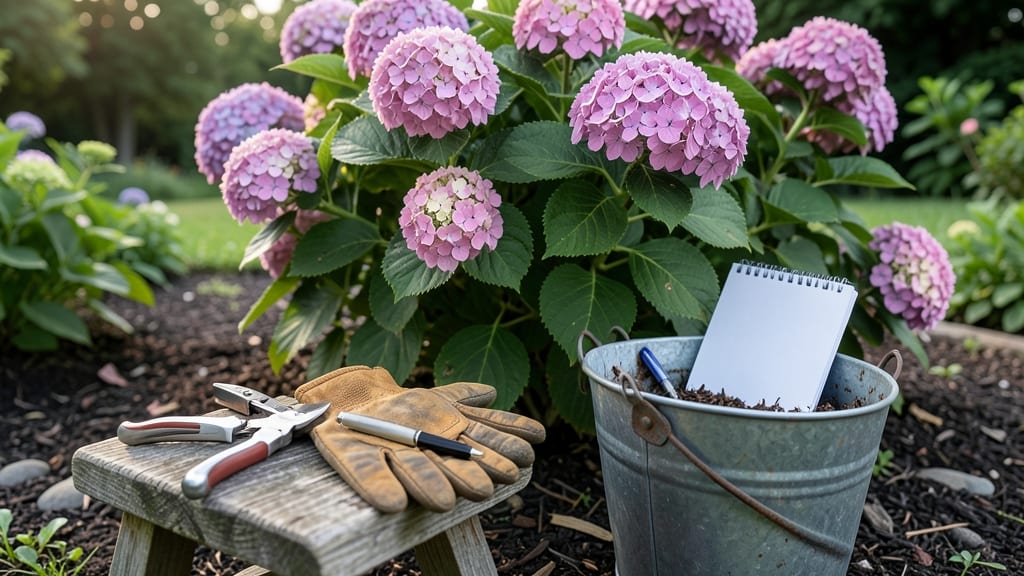
Pruning Endless Summer hydrangeas in late winter unlocks their secret to blooming all season long. ✂️ I’ve watched these plants go from sparse, leggy shrubs to lush, flower-covered giants—just by cutting back the right way.
The key isn’t aggressive trimming, but strategic cuts that encourage new growth where you want it.
You’ll need sharp pruners, a clean cutting surface, and a clear head—this isn’t the time for guesswork. The goal is to remove 1/3 of last year’s growth while leaving strong stems behind.
Think of it like giving your plant a fresh start, not a haircut. Most gardeners over-prune, which leads to fewer blooms, but these hydrangeas are forgiving if you follow the right steps.
By spring, you’ll see fresh green shoots pushing from the base, each one a promise of hundreds of blooms from mid-summer through frost. The flowers will be bigger, the plant denser, and you’ll understand why these hydrangeas live up to their name.
This method works for both new and experienced gardeners—just be patient with the first year’s results.
Works in zones 3-9, though timing shifts slightly north vs. south. The same principles apply whether you’re pruning in a sunny border or a shady woodland garden. Let’s get those blooms going!
📚 In This Guide
- What you need
- Instructions
- Tips and common mistakes
- Wrapping up and next steps
What you need
- ● Pruning shears: Sharp, bypass-style shears (for clean cuts) or anvil-style for thicker stems (3–4 inches max). Must be sanitized with rubbing alcohol or bleach solution (1 part bleach to 9 parts water).
- ● Hand pruners: For smaller stems (1/4–1 inch thick). Test sharpness on a scrap branch before pruning.
- ● Loppers: 1 pair (for stems 1–2 inches thick). Look for ratcheting or bypass models for precision.
- ● Gloves: 2 pairs—one gardening glove (for grip) and one cut-resistant glove (for thick stems).
- ● Disposable pruning bags: 5–10 bags (13-gallon size) to collect debris.
- ● Rubbing alcohol (70%+) or bleach solution: 1 small bottle (for tool sanitization).
- ● Measuring tape: 1 (16-foot, for assessing plant height).
- ● Permanent marker: 1 (to mark cuts if needed).
- ● Extension pole saw: For high branches (if your hydrangea is over 6 feet tall).
- ● Knee pads: 1 pair (for comfort during long sessions).
- ● Plant food: Balanced fertilizer (10-10-10 or similar) to feed post-pruning.
- ● Mulch: Shredded bark or pine straw (2–3 inches deep) to protect roots after pruning.
- ● Watering can or hose: With a gentle spray nozzle for post-pruning hydration.
- ● Camera or phone: To document before/after progress (because bragging rights matter!).
Instructions for pruning endless summer hydrangeas in dormant season
Here's my foolproof method for keeping your hydrangeas blooming all season—no more guessing, just consistent results.
🌿 Step 1: Identify and Prepare Your Hydrangea
Start by locating the oldest stems—these are the thickest, woody branches that have bloomed before. Endless Summer hydrangeas produce flowers on new wood, meaning last year's growth is what you want to encourage. Grab a pair of clean, sharp pruners and sanitize them with rubbing alcohol to prevent spreading disease.
Look for dead or diseased branches first—these need immediate removal. Cut these back to healthy wood, making your cuts at a 45-degree angle just above a leaf node or bud. This ensures water runs off properly and new growth has a place to emerge. If you're unsure which stems are old, don't worry—we'll tackle that in the next step.
✂️ Step 2: Prune Back Old Wood Selectively
Now, focus on the oldest stems—these are usually the thickest and may have bloomed the previous year. Cut these back to just above a set of buds or leaves, leaving about 6-12 inches of growth. This might seem drastic, but trust me, it's what encourages new, vigorous growth that will produce next year's flowers.
Leave the newest, thinner stems untouched for now. These are the ones that will bloom this season. If you're unsure which is which, look for stems that are thicker and more woody—those are the old ones. You'll know you're on the right track when you see multiple buds or leaves just below your cut. This is where the magic happens.
🌱 Step 3: Thin Out Crowded Stems for Airflow
Next, step back and assess the overall shape of your hydrangea. If stems are crowded or crossing, it's time to thin them out. Remove 1-2 of the oldest stems completely, cutting them back to the ground. This opens up the center of the plant, allowing better airflow and sunlight to reach the inner branches.
Thinning isn't just about looks—it prevents disease and pests by reducing humidity trapped in dense foliage. Aim for a balanced, open shape with room for new growth to fill in. If your hydrangea is large, don't rush; take your time to make clean cuts and shape it evenly. You'll see a fuller, healthier plant in just a few months.
☀️ Step 4: Shape and Clean Up
Now, give your hydrangea a final shape by trimming any overly long or leggy stems back to a more compact form. Cut just above a leaf node or bud, and avoid leaving stubs—this can lead to dead or weak growth. Step back occasionally to check your progress; you want a rounded, bushy shape that looks natural and balanced.
Once you're done pruning, remove all debris from the area around your hydrangea. This includes old flower heads, cut stems, and any fallen leaves. Dispose of these in the trash—not the compost—since diseased material can spread spores. Finish by giving the base of the plant a light layer of mulch (about 2-3 inches deep) to protect the roots and retain moisture.
⏰ Step 5: Monitor and Encourage New Growth
After pruning, keep an eye on your hydrangea over the next few weeks. New growth should emerge from the buds and leaves you left behind. Water deeply once a week (or more if your area is particularly dry) to encourage strong root development. Avoid overwatering, though—soggy soil can lead to root rot, which is the last thing you want after all this hard work.
In about 4-6 weeks, you should see new shoots popping up. This is your signal that the pruning worked! If you notice any yellowing leaves or weak growth, it might mean your hydrangea needs more sunlight or nutrients. A balanced fertilizer applied in early spring will give it the boost it needs for nonstop blooms all season.
Tips & tricks for perfect endless summer hydrangea pruning
Let me share the hard-earned insights that'll help you avoid common mistakes and get the most stunning blooms possible.
Tool Prep Matters: I can't stress enough how important it is to sanitize your pruners with rubbing alcohol before you start. This simple step prevents spreading disease from one plant to another. I've seen too many gardeners skip this and end up with infected plants—don't make that mistake! Also, make sure your pruners are sharp; dull blades can crush stems instead of making clean cuts, which stresses the plant.
The 6-12 Inch Rule: When pruning back old wood in Step 2, leaving 6-12 inches of growth is crucial. This length gives your hydrangea enough energy reserves to produce new growth while still having room to develop strong stems. I've seen people cut too close to the ground, which can actually weaken the plant. Think of it like giving your hydrangea a fresh start—just not too drastic!
Visual Cues for New Growth: After pruning, look for multiple buds or leaves just below your cuts in Step 2. These are your promise of next year's blooms! I always check for at least 3-4 buds per cut—this ensures you're not leaving stubs that might not produce anything. If you're unsure which stems to prune, look for the thickest, woody branches—they're usually the oldest and need the most aggressive pruning.
Mulching Wisdom: That 2-3 inch layer of mulch in Step 4 isn't just decoration—it's protection. Organic mulch helps regulate soil temperature and retains moisture, which is especially important during those hot summer months. I like to use shredded bark mulch because it breaks down slowly and adds nutrients to the soil as it decomposes. Just make sure to keep it a few inches away from the plant stem to prevent rot.
Pro Tips for Endless Summer Hydrangea Pruning
- Let me share the hard-earned insights that'll help you avoid common mistakes and get the most stunning blooms possible.
- Tool Prep Matters: I can't stress enough how important it is to sanitize your pruners with rubbing alcohol before you start.
- The 6-12 Inch Rule: When pruning back old wood in Step 2, leaving 6-12 inches of growth is crucial.
Frequently asked questions
When is the best time to prune Endless Summer hydrangeas?
The golden window is late winter to early spring (just before new growth starts). Pruning in summer can reduce blooms for the following year, while waiting too late risks cutting off next season’s flower buds. Aim for February–March in most climates for optimal results.
Should I cut back old wood or new growth?
Endless Summer hydrangeas bloom on both old and new wood, so focus on shaping rather than drastic cuts. Remove only dead, damaged, or crossing branches. Lightly trim back 1/3 of the oldest stems to encourage fresh growth—never cut into last year’s flower buds (they’re hidden in leaf axils).
What if I prune at the wrong time?
No panic! If you prune in summer, you’ll likely see fewer blooms next year, but the plant won’t die. For winter pruning, wait until after the last frost. If you’ve already missed the window, just avoid heavy cuts and focus on cleanup—your hydrangea is resilient!
Can I prune Endless Summer hydrangeas for a bushier shape?
To encourage fuller growth, prune just above a leaf node (where leaves meet the stem) and avoid cutting into the center. For a rounded shape, trim outer branches slightly shorter than inner ones. Pro tip: Use sharp shears and make cuts at a 45-degree angle to prevent water pooling.
What if my hydrangeas aren’t blooming after pruning?
Check these fixes:
- Sunlight: Ensure they get 4–6 hours of sun (too much shade = fewer blooms).
- Water: Drought stress can reduce flowers—keep soil consistently moist but not soggy.
- Fertilizer: Apply a balanced, acid-loving plant fertilizer in early spring.
- Age: Young plants (under 2 years) may need 1–2 more seasons to reach full bloom.
Wrapping up and next steps
Mastering Endless Summer hydrangea pruning in dormancy unlocks a season of nonstop, lush blooms—no more guesswork, just stunning results! 🌸 By following this blueprint, you’ve learned to trim with confidence, shape with purpose, and nurture your plant’s future growth.
The key? Timing, precision, and patience—your hydrangeas will reward you with vibrant color from summer straight through fall.
Now that you’re armed with the know-how, grab those shears and get pruning! Start small if you’re new, and soon, your garden will be the talk of the neighborhood. Happy trimming—and enjoy your endless summer! 🌿✨