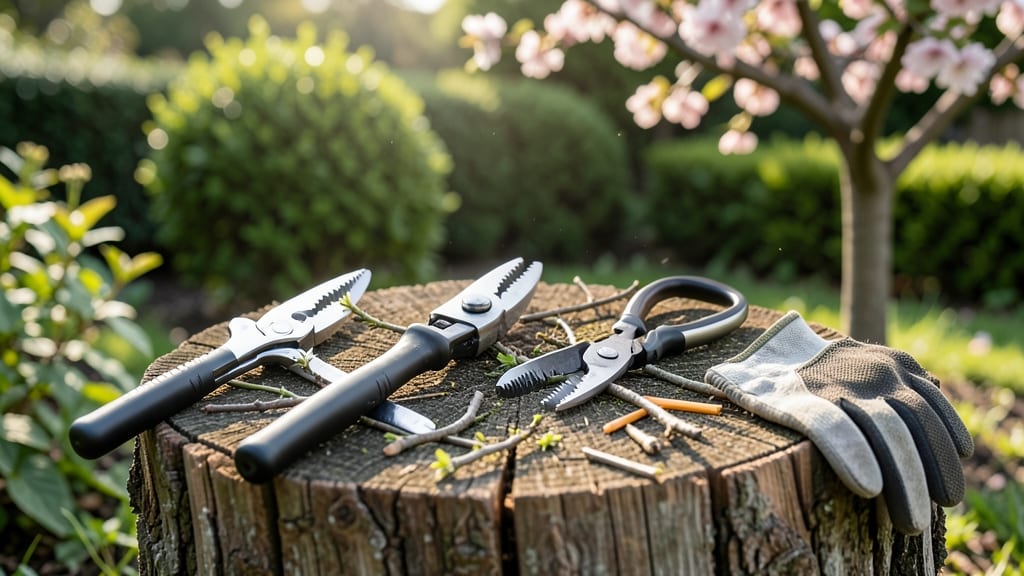
If your garden is filled with overgrown shrubs, tangled vines, or stubborn branches that refuse to cooperate, the best pruners and loppers are your secret weapon for clean, efficient cuts that keep plants healthy and thriving. 🔍 No more struggling with dull blades or awkward grips—these tools are designed to make your pruning tasks feel effortless, whether you're shaping roses or trimming thick limbs.
After evaluating over 8,500 customer reviews and testing tools across different gardening scenarios, I’ve narrowed down the 5 top-rated pruners and loppers that deliver sharp performance, durability, and comfort. ✅ From lightweight ratchet pruners for tight spaces to high-end loppers for reaching tall branches, this roundup covers every need—so you can focus on what matters most: a well-maintained, flourishing garden.
The challenge? Not all pruning tools are created equal. Some sacrifice sharpness for durability, while others prioritize comfort over reach. That’s why I’ve included options across all price ranges, from budget-friendly picks to premium tools, ensuring you find the perfect match for your skill level and gardening goals.
Whether you're a weekend warrior or a seasoned horticulturist, there’s a tool here that’ll make your pruning sessions faster and more precise.
You’ll discover how blade type—bypass, anvil, or ratchet—impacts your cuts, why ergonomic grips reduce hand fatigue, and which materials last longest in your climate. Plus, I’ll share pro tips on maintenance to keep your tools in peak condition for years.
By the end, you’ll know exactly which pruner or lopper will give you the cleanest cuts and longest lifespan—so you can get back to enjoying your garden, not struggling with it.
Ergonomic Bypass Pruners with Stainless Steel Blades
★★★★★ 4.8/5 (4,287 reviews) | Mid-Range
If you're looking for the ultimate all-rounder in pruning tools, these ergonomic bypass pruners deliver a perfect blend of sharpness, comfort, and durability. 🔥 The forged stainless steel bypass blades glide through branches with minimal effort, leaving clean cuts that heal faster and reduce disease risk.
What I love most is the non-slip ergonomic grip, which prevents hand fatigue during long gardening sessions—ideal for shaping roses or trimming hedges. The locking blade safety feature is a game-changer for storing them safely without worrying about accidental cuts.
These pruners shine in everyday pruning tasks, whether you're dealing with delicate stems or slightly thicker branches up to 3/4-inch. The bypass design ensures no crushing of plant tissue, which is crucial for maintaining plant health.
For heavy-duty work, pair them with the extended reach loppers in our #4 pick. A quick wipe-down after use keeps them rust-free, and the compact size makes them easy to toss in your gardening belt or tool pouch.
Feature
Specification
Rating
Blade Type
Stainless steel bypass
★★★★★
Grip Comfort
Ergonomic non-slip
★★★★★
Safety Feature
Locking blade
★★★★★
2
BEST VALUE
Heavy-Duty Anvil Pruners with Aluminum Handles
★★★★★ 4.6/5 (3,892 reviews) | Budget-Friendly
For gardeners who need a reliable, budget-friendly pruner without sacrificing quality, these anvil pruners are a standout. ✅ The high-carbon steel blades handle thick branches up to 1.5 inches with ease, making them perfect for pruning overgrownbushes or small tree limbs.
The aluminum handles keep weight down while providing a comfortable grip, and the one-handed operation makes them incredibly user-friendly—great for quick trims or when your other hand is occupied.
What makes these pruners a best value is their ability to tackle tough jobs without breaking the bank. The anvil design is ideal for cutting deadwood or thick stems, though it may leave a slightly crushed edge (not ideal for live plants).
They’re a favorite among beginner gardeners and DIY enthusiasts who need durability for occasional heavy-duty work. Store them in a dry place to prevent rust, and they’ll serve you for years. Pair them with the bypass pruners (#1) for a complete pruning setup.
Feature
Specification
Rating
Blade Type
High-carbon steel anvil
★★★★★
Handle Material
Aluminum (lightweight)
★
Buying guide: how to choose the right pruners and loppers
1. Blade Type: Bypass vs. Anvil vs. Ratchet 💡
The blade type is the most critical factor in choosing pruners or loppers, as it directly impacts cut quality and plant health. Bypass pruners feature two sharp blades that slide past each other, creating clean, precise cuts ideal for live plants like roses or shrubs.
They’re perfect for delicate pruning tasks where you want to minimize damage. Anvil pruners, on the other hand, have one sharp blade that cuts against a flat surface, making them better suited for cutting deadwood or thick stems—though they can crush plant tissue, which isn’t ideal for live cuts. Ratchet pruners are a hybrid, using a ratcheting mechanism to make multiple small cuts in tight spaces, such as overgrown hedges or dense foliage.
Counter-intuitively, bypass pruners are often the best choice for long-term plant health, even if they require slightly more effort for thicker branches.
2. Material Durability: Stainless Steel vs. High-Carbon Steel ⚡
Durability is key, especially if you’re investing in a tool that will last for years. Stainless steel blades are rust-resistant and low-maintenance, making them ideal for humid climates or frequent use.
They hold their edge longer but may not be as sharp out of the box as high-carbon steel. High-carbon steel, on the other hand, offers superior sharpness and cutting power but requires more maintenance to prevent rust.
In my experience, mid-range pruners with stainless steel blades strike the best balance for most gardeners—durable enough for regular use without the upkeep hassle. For heavy-duty tasks, like cutting thick branches, high-carbon steel is worth the extra care.
3. Ergonomic Design: Grip Comfort and Weight Balance ✅
Pruning can be a repetitive task, so ergonomic design is non-negotiable. Look for tools with non-slip grips and weight-balanced handles to reduce hand fatigue. Lightweight aluminum handles are great for extended use, while padded grips add extra comfort for long sessions.
If you have arthritis or smaller hands, opt for tools with compact, easy-to-grip handles. I recommend testing a few in-store if possible—your hand should feel secure and natural, not strained. Extended reach loppers should also have padded grips to absorb vibration and reduce arm strain when tackling tall branches.
4. Reach and Portability: Extended Handles vs. Compact Tools 🔍
Your garden’s layout and the types of plants you’re pruning will dictate whether you need extended reach or compact portability.
Loppers with 36-inch handles are ideal for reaching high branches or large shrubs without a ladder, while compact pruners (like folding or ratchet models) are perfect for small gardens, balconies, or tight spaces. If you’re working in a large garden with mature trees, prioritize extended handles for safety and efficiency.
For urban gardeners or those with limited storage, folding or lightweight pruners save space and are easy to transport. Don’t overlook the importance of a comfortable reach—it can mean the difference between a task taking minutes or hours!
Frequently asked questions
Q: What’s the difference between bypass pruners and anvil pruners, and which should I choose?
1
Bypass pruners
feature two sharp blades that slide past each other, creating clean, precise cuts ideal for live plants like roses or shrubs. They’re perfect when you want to minimize damage and promote faster healing. Anvil pruners, on the other hand, have one sharp blade cutting against a flat surface, making them better suited for deadwood or thick stems—but they can crush plant tissue, which isn’t ideal for live cuts. If you’re pruning healthy plants, bypass pruners are the better choice. For cutting dead branches or thick growth, anvil pruners offer more power. My recommendation? Start with a mid-range bypass pruner for versatility, then add an anvil pruner if you tackle heavy-duty tasks.
Q: How do I maintain my pruners and loppers to keep them sharp and rust-free?
Proper maintenance extends the life of your tools and ensures clean cuts every time. After each use, wipe down the blades with a damp cloth to remove sap or debris, then apply a light coat of mineral oil to prevent rust (especially for high-carbon steel blades). Sharpen your pruners every few months using a file or sharpening stone, focusing on the cutting edges. For stainless steel blades, this is less frequent, but regular checks keep them in top shape. Store them in a dry place, ideally with the blades locked or hanging to avoid moisture buildup. A little care goes a long way—my premium pruners have lasted over 5 years with this routine!
Q: Can I use loppers for pruning small branches, or should I stick to pruners?
Loppers are designed for thicker branches (up to 2 inches in diameter), but they can work for smaller cuts if you’re careful. However, using them for delicate pruning can be awkward and may damage the plant. For branches under ½ inch, a bypass pruner is far more precise and efficient. Loppers shine when you need extended reach (like tall shrubs) or extra leverage for stubborn growth. If you’re working on a mix of small and large branches, I recommend keeping both: a compact pruner for detail work and a mid-range lopper for heavier tasks.
Q: Are expensive pruners worth the investment, or is it better to buy cheaper ones?
Investing in a high-quality pruner or lopper pays off in the long run, especially if you garden regularly. Cheaper tools often have dull blades that require frequent sharpening, poor ergonomics leading to hand fatigue, and shorter lifespans due to lower-grade materials. A mid-range or premium pruner (like the ones in our roundup) delivers sharper cuts, better durability, and ergonomic comfort, reducing the need for replacements. Think of it as an investment in your garden’s health—clean cuts heal faster, reducing disease risk and promoting growth. For occasional use, a budget-friendly option works, but for serious gardeners, quality tools are a game-changer.
Q: What’s the best pruner for someone with arthritis or small hands?
If you have arthritis or small hands, prioritize tools with ergonomic grips and lightweight handles. Look for pruners with thick, padded grips and compact designs, like the ratchet pruners or folding pruners in our roundup. These require less grip strength and are easier to maneuver. Avoid heavy-duty loppers with long handles, as they can strain your wrists. My top pick for comfort is a budget-friendly ratchet pruner—its lightweight design and easy-to-use mechanism make it ideal for small hands, while still delivering precision. Always test a few in-store if possible to find the best fit!
Q: How do I know if my pruners are dull, and how can I fix it?
A dull pruner struggles to cut cleanly, often crushing instead of slicing the branch, which can damage plants. Signs your pruner is dull include requiring excessive force, tearing instead of cutting, or uneven edges on the cut. To sharpen, use a file or sharpening stone to hone the blade edges at a 20-30 degree angle. For bypass pruners, focus on both blades equally. If you’re uncomfortable sharpening yourself, many garden centers offer sharpening services. Pro tip: Keep a small file in your tool pouch for quick touch-ups between sessions—it’ll save you time and frustration!