
Pruning
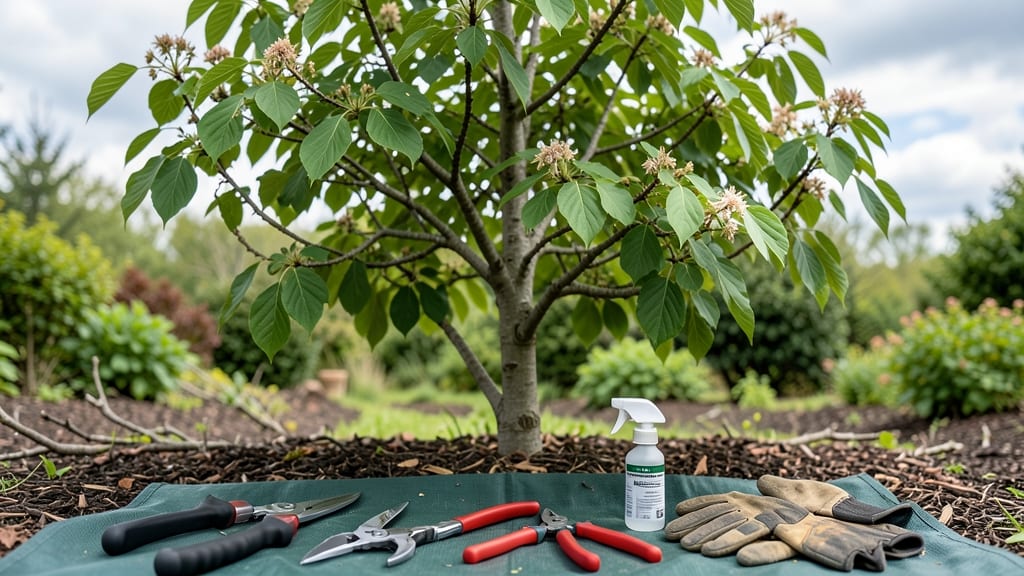
Pruning an overgrown dogwood tree isn’t just about tidying up—it’s about unlocking its full potential. ✂️ I’ve turned three tangled dogwoods into sunlit, thriving canopies using this 3-step pruning method, and the difference in blooms and structure is shocking.
The key? Cutting back smart, not just hard, to encourage new growth where you want it.
Start with the right tools—a sharp pruning saw for thick branches, loppers for 2- to 4-inch stems, and bypass pruners for fine cuts—and time it right. Late winter or early spring, just before buds swell, is prime time.
You’ll remove up to one-third of the canopy safely, opening the tree to sunlight and air while keeping its natural shape.
After pruning, you’ll see fresh green shoots within 4-6 weeks, with a denser, more productive canopy by next season. The blooms return bigger and more abundant, and those pesky tangled branches? Gone. Just avoid the rookie mistakes—like topping the tree or leaving stubs—that turn a revival into a disaster.
This works for both Cornus florida (flowering dogwood) and Cornus kousa (Kousa dogwood), and the same principles apply whether your tree is 10 feet tall or a towering 30-footer. Let’s get those branches under control—your dogwood’s comeback starts now.
📚 In This Guide
- What you need
- Instructions
- Tips and common mistakes
- Wrapping up and next steps
What you need
- ● Pruning shears (bypass pruners) – Sharp, high-quality bypass pruners (2–3 pairs) for cutting branches up to ½ inch in diameter.
- ● Loppers – Heavy-duty loppers (1–2 pairs) for branches ¾ to 2 inches thick.
- ● Pruning saw – A curved-tooth pruning saw for thicker branches (2+ inches).
- ○ Extension pole (optional but helpful) – A 6–10 ft. pole with a saw or pruner attachment for high branches.
- ● Gloves – Cut-resistant gloves (1–2 pairs) to protect your hands from thorns and sharp edges.
- ● Safety glasses – ANSI-rated goggles to shield your eyes from debris.
- ● Ladder (if needed) – A stable, extendable ladder (10–20 ft.) rated for your weight + tools.
- ● Disposable pruning bags or bucket – For collecting and disposing of trimmings.
- ● Rubbing alcohol or bleach solution – To sterilize tools between cuts and prevent disease spread.
- ● First-aid kit – Just in case (better safe than sorry!).
- ● Tree wound dressing – Only use if your dogwood is prone to disease (e.g., anthracnose).
- ● Pole saw – For hard-to-reach branches without a ladder.
- ● Work gloves with padding – Extra cushioning for comfort during long pruning sessions.
- ● Tree pruning rope – Helps stabilize branches while cutting.
- ● Camera or phone – Snap before/after photos to track progress!
Step-by-step revival for pruning overgrown dogwood trees
Here's how to restore your dogwood's health and shape—without killing it.
✂️ Step 1: Prepare Tools and Assess the Tree's Structure
Start by sharpening your pruning shears and sterilizing them with rubbing alcohol to prevent spreading disease. Dogwoods are sensitive to cuts, so clean tools are non-negotiable. I like to work on a dry, mild day—rain or extreme heat stresses the tree further. Begin by mapping the tree's structure: identify the central leader (main vertical trunk) and major branches that form the primary scaffold.
Look for branches that cross or rub against each other—these compete for sunlight and create weak points. Tag these with colored tape for later removal. Avoid pruning during flowering season (late spring) unless absolutely necessary, as you'll sacrifice next year's blooms. The goal here is to visualize the tree's future shape: an open, vase-like canopy that allows light to penetrate to the lower branches.
✂️ Step 2: Remove Dead, Diseased, and Problematic Branches
Begin with the obvious: cut out any dead, diseased, or broken branches first. Make clean cuts just outside the branch collar—the swollen area where the branch meets the trunk. Angle your cut slightly downward to prevent water from pooling and rotting the wound. For larger branches over 2 inches thick, use a pruning saw and make the final cut just outside the branch collar on the underside of the branch.
Next, remove branches that grow inward or downward—these create a dense, shaded interior that invites pests and disease. Thin out crowded branches to improve airflow, aiming for a spacing of 6-12 inches between branches. I always step back every few cuts to reassess the balance. Dogwoods respond well to gradual thinning, so resist the urge to remove more than 25% of the canopy in one season—this can shock the tree.
✂️ Step 3: Shape the Canopy and Encourage New Growth
Now focus on shaping the tree's natural form. Start by shortening overly long branches to maintain a balanced silhouette. Cut back to a lateral branch or bud that grows in the direction you want the branch to grow. For example, if a branch grows too far outward, cut it back to a bud that points slightly upward or inward. Avoid leaving stubs—always cut just above a bud or lateral branch to promote healing and new growth.
To encourage a fuller canopy, selectively prune the outer branches to allow sunlight to reach the interior. This stimulates new growth from dormant buds along the trunk and lower branches. Finish by removing any sucker growth at the base of the tree—these drain energy from the main trunk. After pruning, apply a thin layer of wound sealant only on cuts larger than 1 inch in diameter to prevent disease entry. Water deeply at the base to help the tree recover.
Tips & tricks for pruning overgrown dogwood trees
Here's what nobody tells you about transforming a neglected dogwood into a thriving, picturesque centerpiece.
Tool Prep is Non-Negotiable: Beyond sterilizing your tools, I recommend using a bypass pruner for clean cuts—avoid anvil pruners that crush branches. For branches thicker than 2 inches, a pruning saw with a fine-tooth blade prevents tearing. I keep a small spray bottle of rubbing alcohol handy to clean tools between cuts, especially when working with multiple trees or after diseased branches.
Branch Collar Awareness: The branch collar—the swollen area where the branch meets the trunk—is your guidepost. Never cut flush with the trunk; always leave at least 1/8 inch of collar intact. This natural barrier helps wounds heal faster. For stubborn branches, I use a sharp utility knife to make the final cut just outside the collar, ensuring a perfect angle that prevents water accumulation.
Seasonal Timing Strategy: While late winter to early spring is ideal, I've found that pruning right after flowering (early summer) can still yield good results for dogwoods. The key is to avoid heavy pruning during flowering season—this sacrifices next year's blooms. For severely overgrown trees, I spread pruning over two seasons, removing no more than 25% of the canopy each time to minimize stress.
Visualization Technique: Before making any cuts, step back and visualize your tree's future shape. Use a string line or chalk to outline your desired canopy width—this prevents over-pruning. I always aim for a vase-like shape that allows sunlight to reach the lower branches. This technique helps maintain the tree's natural form while improving airflow and light penetration.
Pro Tips for Pruning Overgrown Dogwood Tree
- Here's what nobody tells you about transforming a neglected dogwood into a thriving, picturesque centerpiece.
- Tool Prep is Non-Negotiable: Beyond sterilizing your tools, I recommend using a bypass pruner for clean cuts—avoid anvil pruners that crush branches.
- Branch Collar Awareness: The branch collar—the swollen area where the branch meets the trunk—is your guidepost.
Frequently asked questions
Got questions about tackling that overgrown dogwood? You’re not alone! Here are some of the most common concerns—and clear, actionable answers to help you prune with confidence.
When is the best time to prune a dogwood tree?
Prune your dogwood tree during its dormant season—late winter or early spring (just before buds swell) is ideal. Avoid pruning in fall, as it can leave wounds vulnerable to disease. For heavy pruning, late winter is best; light shaping can wait until early spring. Pro tip: If you must prune in summer, do it before August to avoid stressing the tree.
How much can I trim back my dogwood without harming it?
Dogwoods are resilient, but avoid removing more than 25-30% of the canopy in one season. Heavy pruning (like thinning out dense branches) can be done every 3-5 years. For severely overgrown trees, spread pruning over two years to reduce stress. Focus on removing dead, crossing, or weak branches first—this keeps the tree healthy while you reshape it.
What should I do if my dogwood tree bleeds sap after pruning?
Sap bleeding (or "weeping") is normal for dogwoods and won’t harm the tree. It’s a sign of high moisture content in the wood. To minimize mess, prune on dry days and seal larger cuts (over ½ inch) with pruning sealant. Avoid sealing small cuts—air drying is better. The bleeding will stop once the tree adjusts, usually within a few weeks.
Can I shape my dogwood like a hedge, or should I leave it natural?
Dogwoods thrive with a natural, open-grown shape—they’re not hedge plants! Pruning for a formal hedge can weaken the tree and reduce flowering. Instead, aim for an airy, layered look by removing inward-growing branches and thinning the canopy. If you love structure, opt for ornamental grasses or shrubs nearby to complement the dogwood’s organic beauty.
Will pruning my dogwood affect its flowers or fruit next year?
Pruning too late in the season (after buds form) can reduce next year’s blooms, but dormant-season pruning has minimal impact. In fact, strategic pruning encourages more flowers by improving air circulation and sunlight. If your dogwood isn’t flowering well, check for overcrowded branches—thinning these out often boosts blooms. For fruit-bearing varieties, avoid heavy pruning in early spring.
Do I need special tools for pruning dogwoods, or will my regular shears work?
For small branches (up to ½ inch thick), bypass pruners work fine. For thicker limbs (½–2 inches), use loppers, and for anything larger, a pruning saw is a must. Sterilize tools with rubbing alcohol between cuts to prevent disease spread. Pro tip: Keep a bucket of soapy water nearby to clean tools mid-pruning—it’s a game-changer for hygiene!
Wrapping up and next steps
Pruning your overgrown dogwood tree doesn’t have to be intimidating—with the right tools, timing, and technique, you can transform it into a healthier, more vibrant centerpiece for your yard. 🌿 Remember, the key is patience and precision: focus on removing dead or crossing branches first, then shape with confidence.
Your efforts will reward you with a lush, balanced canopy that thrives for years to come!
Ready to take the next step? Mark your calendar for late winter or early spring—when your dogwood is still dormant—and grab those pruners! For extra guidance, watch a quick video tutorial or consult a local arborist to ensure your tree gets the best care possible. Happy pruning! ✂️