
Pruning
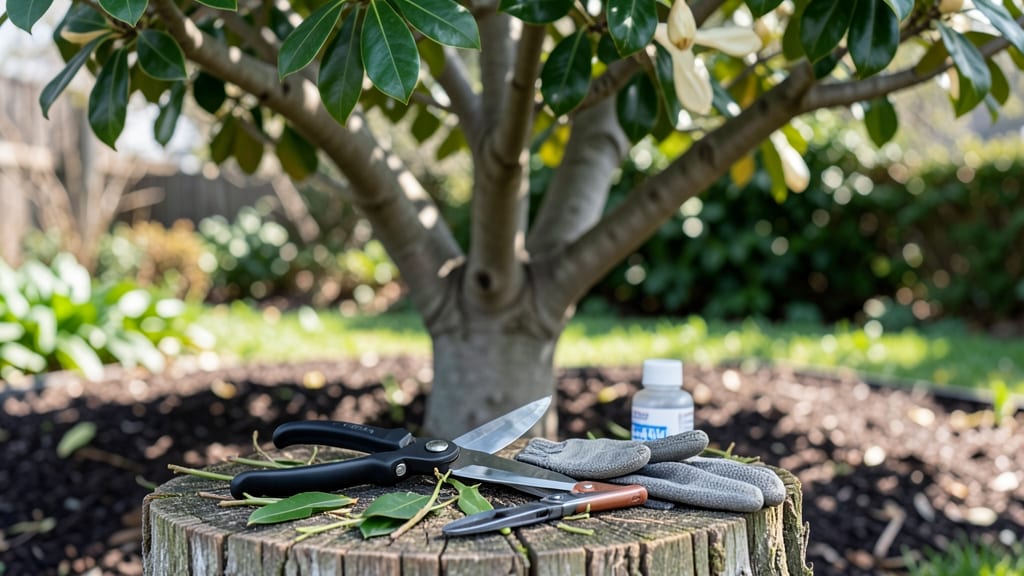
Pruning sweetbay magnolia trees in late winter transforms them from leggy shadows into fragrant, bushy giants. 🌿 I’ve learned the hard way that timing matters—cut too early, and you’ll trigger sap flow; wait too long, and you miss the ideal growth window.
The right cuts now mean more blooms and better airflow next spring, but only if you follow the species-specific rules.
You’ll need sharp pruning shears, a saw for thicker branches, and a clear day to avoid stressing the tree. Focus on removing dead wood first, then thin out crowded branches at a 45-degree angle just above an outward-facing bud.
Sweetbay magnolias hate heavy pruning—never remove more than 25% of the canopy at once, or you’ll stunt flowering for years.
After pruning, the tree sends out fresh, vigorous growth that fills in gaps and supports more blooms. The fragrance alone is worth the effort—imagine walking past in May when the air smells like vanilla and lemon.
Just avoid pruning when sap is flowing (late winter to early spring is perfect), and you’ll keep your magnolia thriving for decades.
This method works for both young trees and mature specimens, though older trees need gentler shaping. The key is patience—sweetbay magnolias respond slowly but steadily to careful pruning. Start small, and you’ll see dramatic improvements in just a few seasons.
📚 In This Guide
- What you need
- Instructions
- Tips and common mistakes
- Wrapping up and next steps
What you need
- ● Bypass pruners – Sharp, clean pruners (10-12" blades) for small branches (¼"–1" diameter). Pro tip: 💡 Sanitize with rubbing alcohol before/after use to prevent disease spread!
- ● Loppers – For medium branches (1"–3" diameter). Opt for bypass-style (not anvil) to avoid crushing wood.
- ● Pruning saw – Heavy-duty bow saw or pruning saw for thick branches (3"+ diameter). Look for replaceable blades for longevity.
- ● Ladder or step stool – Extendable fiberglass ladder (12–16 ft) for tall trees. Safety first: 🌡️ Use stabilizers and wear non-slip shoes!
- ● Disposable gloves – Nitrile or leather gloves (size medium/large) to protect hands from thorns and sap.
- ○ Sealing wax or pruning paint – Optional but helpful for large cuts (>2" diameter) to reduce sap loss and infection risk.
- ● Weather window – Prune on a dry, calm day (avoid frost or rain within 24 hours). Ideal temps: 40–60°F.
- ● Clean workspace – Lay down tarps or cardboard to catch debris and protect lawn/landscaping.
- ● Tree health check – Inspect for diseased or dead branches (brown, mushy, or no leaves) before pruning.
- ○ First-aid kit – Optional but smart: Include antiseptic wipes and bandages for minor cuts.
- ● 🔥 Sharpen your tools! Dull blades tear wood, increasing stress on the tree.
- ● ✨ Mark your cuts with chalk or tape to visualize the final shape before cutting.
- ● 🌱 Sterilize tools between trees if pruning multiple magnolias to avoid spreading pathogens.
Step-by-step guide to pruning your sweetbay magnolia
Late winter is the perfect time to shape your sweetbay magnolia for next season's fragrant blooms.
✂️ Step 1: Gather Your Tools and Assess the Tree
Start by grabbing a pair of sharp, clean pruning shears (bypass pruners work best) and a small handsaw for any thicker branches. I always sanitize my tools with rubbing alcohol—this prevents spreading disease between cuts. Next, step back and examine your tree from all angles. Look for branches that cross each other, grow inward, or show dead, damaged, or diseased wood.
Sweetbay magnolias have a natural, rounded shape, so we want to maintain that while opening up the canopy for better airflow and light penetration. Focus on removing any branches that rub against each other—they’ll eventually create wounds that invite pests and disease. If you see any branches with no leaves or brown, brittle wood, those are your first targets for removal.
✂️ Step 2: Remove Dead, Diseased, or Damaged Branches
Begin with the easy cuts: any branches that are clearly dead, diseased, or damaged should go first. Make your cuts just outside the branch collar—the swollen area where the branch meets the trunk. This ensures the tree can seal the wound properly and prevents decay from creeping into the trunk.
If a branch is larger than ½ inch in diameter, use your handsaw to make a clean cut. For smaller branches, your pruners will do the job. Always cut at a 45-degree angle just outside the branch collar. Avoid leaving stubs—this can lead to further decay or pest infestations. You’ll know you’re on the right track when you see fresh, green wood inside the branch you’re removing.
✂️ Step 3: Thin Out the Canopy for Better Airflow
Now it’s time to open up the canopy to encourage bushier growth and more abundant blooms. Look for branches that are growing inward or crossing over others. These branches compete for sunlight and nutrients, which weakens the tree and reduces flowering. Start at the outer edges of the tree and work your way inward, removing no more than 25% of the total canopy in one session.
When thinning, aim to remove entire branches rather than just cutting back the tips. This prevents the tree from putting energy into healing small wounds and allows more light to reach the inner branches. You’ll notice the tree’s structure becomes more open, and the remaining branches will start to fill out with new growth. If you’re unsure whether to remove a branch, ask yourself: Will this branch contribute to a stronger, more balanced tree? If not, it’s time to go.
✂️ Step 4: Shape the Tree for a Full, Natural Look
Sweetbay magnolias thrive when they retain their natural shape, so avoid heavy pruning that turns them into geometric forms. Instead, focus on refining the tree’s outline by selectively trimming branches that disrupt its rounded silhouette. Start with the lower branches—if they’re too long or leggy, cut them back to a lateral branch or bud that faces outward.
For each cut, step back occasionally to check your progress. The goal is to create a tree that looks full and balanced from all sides. Avoid over-pruning the top—this can shift the tree’s center of gravity and make it more susceptible to wind damage. If you’re unsure about a cut, wait until next year’s late-winter pruning session. Patience here ensures your magnolia stays healthy and continues to reward you with fragrant blooms for years to come.
✂️ Step 5: Clean Up and Monitor Your Tree
Once you’ve finished pruning, gather up all the debris and dispose of it properly—never leave cut branches on the ground, as they can harbor pests and diseases. Clean your tools again with rubbing alcohol to prevent cross-contamination if you plan to use them on other plants. Finally, give your tree a good drink of water to help it recover from the pruning stress.
Over the next few weeks, keep an eye on your magnolia. You should see new growth emerging from the buds you left behind, and the tree’s canopy should look fuller and more open. If you notice any signs of stress, like wilting leaves or unusual spots, adjust your watering or check for pests. With proper care, your sweetbay magnolia will thank you with lush foliage and fragrant blooms come spring.
Tips & tricks for perfect sweetbay magnolia pruning
Late-winter pruning transforms your sweetbay magnolia into a fragrant powerhouse—here’s how to avoid common pitfalls and get pro results.
Branch Collar Technique: The branch collar is your best friend—cutting just outside it (where the branch meets the trunk) helps the tree heal faster and prevents decay. I learned this the hard way after seeing a magnolia develop rot from improper cuts. Always look for that swollen ridge before making your cut, and angle your shears at 45 degrees to avoid tearing the bark. This small detail makes all the difference in long-term tree health.
Thinning Strategy: Never remove more than 25% of the canopy in one session, as instructed. I’ve seen gardeners over-prune and end up with stressed trees that struggle to bloom. Focus on removing entire branches rather than just trimming tips—this opens up the center for better airflow and sunlight penetration, which directly translates to more abundant spring blooms. Think of it like giving your tree a spa day: less is more for optimal recovery.
Tool Sanitation: Rubbing alcohol isn’t just for cleaning tools—it’s for protecting your entire garden. I’ve seen fungal diseases spread between cuts when tools weren’t properly sanitized. Wipe down your pruners and saw between each cut, especially when moving from diseased branches to healthy ones. This simple step prevents potential infections that could take years to show up. Consider keeping a small bottle of alcohol in your pruning kit for quick cleanups.
Visual Progress Check: Step back every 5-10 cuts to assess your progress. Your goal is a balanced, rounded silhouette that maintains the tree’s natural shape. I’ve made the mistake of getting too focused on individual branches and ending up with an uneven look. The key is to work systematically—start at the outer edges and move inward, always checking from multiple angles. This ensures your magnolia will look as beautiful as it smells when spring arrives.
Pro Tips for Pruning Sweetbay Magnolia Tree
- Late-winter pruning transforms your sweetbay magnolia into a fragrant powerhouse—here’s how to avoid common pitfalls and get pro results.
- Branch Collar Technique: The branch collar is your best friend—cutting just outside it (where the branch meets the trunk) helps the tree heal faster and prevents decay.
- Thinning Strategy: Never remove more than 25% of the canopy in one session, as instructed.
Frequently asked questions
Got questions about pruning your Sweetbay Magnolia? You’re not alone! Here are answers to the most common concerns—so you can prune with confidence and keep your tree thriving.
When is the best time to prune a Sweetbay Magnolia?
The ideal window is late winter to early spring (just before new growth starts). This timing minimizes stress on the tree and promotes healthy blooms. Avoid pruning in fall—it can stimulate tender new growth that won’t survive winter frost.
How much can I trim without harming the tree?
For mature trees, never remove more than 25% of the canopy in one year. Focus on shaping, thinning dense areas, and removing dead/diseased branches. Over-pruning can weaken the tree and reduce next year’s fragrant blooms. Think "light touch" for long-term health!
What if I prune at the wrong time and the tree looks sad?
Don’t panic! Sweetbay Magnolias are resilient. If you pruned too late (e.g., summer), the tree may shed leaves or delay blooming—but it’ll recover. Water deeply and avoid fertilizing until spring. For severe damage, consult a local arborist to assess structural integrity.
Will pruning reduce next year’s flowers?
Not if done correctly! Pruning in late winter encourages bushier growth and more blooms by improving airflow and sunlight penetration. Just avoid cutting back old wood heavily—new flowers form on last year’s growth. Think of it as a spa day for your tree!
Can I use the same pruning techniques for other magnolias?
Mostly, yes—but with tweaks! Sweetbay Magnolias respond well to light, strategic pruning, while some species (like Saucer Magnolias) tolerate heavier shaping. Research your specific variety or ask a nursery for tailored advice. When in doubt, err on the side of caution!
Wrapping up and next steps
Pruning your Sweetbay Magnolia in late winter unlocks its full potential—boosting fragrance, encouraging lush growth, and keeping its shape elegant. With the right tools, timing, and techniques, you’ll transform your tree into a fragrant, bushier beauty that stands out in your landscape.
Now that you’re armed with expert tips, grab those pruners and get to work! 🌿✨
Ready to see the difference? Schedule your pruning session before buds swell, and enjoy a canopy that’s both stunning and fragrant for years to come!