
Pruning
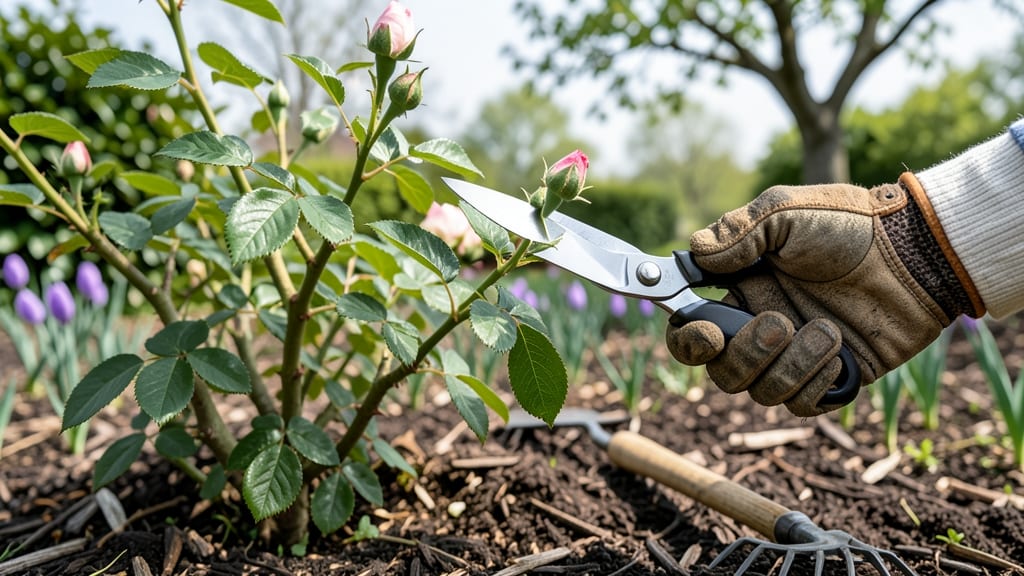
To prune roses in Zone 7, aim for late winter or early spring—just after the first frost but before buds swell—when your 🌹 bushes are still dormant but the ground isn’t frozen.
Get this wrong, and you risk stunting growth, inviting pests, or even killing your plants. But timing it just right—when the soil is workable and the last frost has passed—sets your roses up for stronger blooms next year and healthier bushes for decades.
Zone 7’s mild winters mean you’ve got a slightly longer window than colder climates, but that doesn’t mean you can wait too long. I’ll walk you through the exact cues to watch for—bud swell, bloom cycles, and even regional tweaks—so you never miss the perfect moment.
By the end, you’ll know not just when to prune, but how to do it for maximum impact, avoiding the three biggest mistakes that turn pruning day into a disaster.
Zone 7 rose pruning calendar: exact timing by rose type
In Zone 7, where winters are mild but still chilly enough to slow rose growth, timing your pruning is everything. Prune too early, and you risk damaging dormant buds or inviting pests and diseases.
Prune too late, and you might cut off next season’s blooms before they even form. The key is understanding how each rose type—hybrid teas, floribundas, climbers, and shrub roses—responds to your local climate and growth cycles.
Zone 7’s last frost date (typically around mid-April) and first frost (around November 1) create a narrow window for ideal pruning. Most roses thrive when pruned just as buds begin to swell but before they break open.
However, climbing roses and shrub roses often need a different approach to encourage their unique growth habits.
Here’s the breakdown you’ve been waiting for: a seasonal pruning calendar tailored to Zone 7’s climate, with exact timing cues for each rose type to ensure abundant blooms and healthy canes.
| Rose Type | Best Pruning Time | Key Cues | Why This Timing? |
|---|---|---|---|
| Hybrid Teas | Late February to early March | Bud swell visible, no leaves yet | Encourages strong single-stem blooms by removing winter-damaged wood. |
| Floribundas | Early to mid-March | First green tips appear | Promotes clustered blooms by balancing air circulation and light penetration. |
| Climbing Roses | Mid-March to early April | Bud swell on main canes | Preserves long, flexible canes needed for trellises or arbors. |
| Shrub Roses | Late March (after last frost) | New growth at base | Reduces disease risk by removing old wood while keeping dense foliage. |
| Summer Pruning (All Types) | June to July (after blooming) | Dead or crossed branches | Encourages reblooming by removing spent flowers and improving airflow. |
For hybrid teas, the late winter pruning (February–March) is critical because these roses produce one main bloom per stem. Cutting too late risks removing next year’s flower buds, which form on the current season’s growth.
Look for bud swell—when the buds plump up like tiny green beads—but avoid pruning if frost is forecasted within 48 hours.
Floribundas, which bloom in clusters, benefit from an early March prune. These roses are more forgiving than hybrid teas, but pruning too early can leave them vulnerable to late-winter freezes.
Aim to remove about one-third of the oldest canes to stimulate new growth from the base, where many of their blooms emerge.
Climbing roses demand patience. Their long, arching canes need to be pruned in mid-March to early April, after the buds on the main stems begin to swell but before they open.
This timing ensures you don’t cut off potential blooms or damage the flexible wood needed for their dramatic displays. Always prune climbing roses to maintain their trellis or arbor structure.
Shrub roses, like Knock Out® roses, thrive with a late March prune after the last frost. These roses bloom on both old and new wood, so prune lightly to shape the bush and remove dead or diseased canes.
Avoid heavy pruning, as it can reduce their natural disease resistance.
Don’t overlook summer pruning, which is essential for all rose types in Zone 7. After the first flush of blooms (typically in June or July), remove spent flowers and any crossed or rubbing branches to improve airflow and reduce black spot fungus.
This light pruning encourages a second round of blooms and keeps your roses looking tidy.
Pro tip: Always sterilize your pruning shears with rubbing alcohol between cuts to prevent the spread of rose diseases. And never prune when the weather is wet or windy—aim for a dry, sunny morning to minimize stress on your plants.
🌹
Critical mistakes to avoid when pruning roses in Zone 7
Pruning roses at the wrong time or with poor technique can turn your Zone 7 garden from vibrant to vulnerable. Many gardeners accidentally damage their roses by pruning too early, cutting at the wrong angle, or ignoring disease prevention.
These mistakes can weaken your plants, reduce blooms, and even invite pests. Let’s fix these common errors to ensure your roses thrive for years.
One of the biggest mistakes is pruning roses in late winter or early spring before the last frost has passed. In Zone 7, this often means waiting until mid-to-late March or even early April.
Cutting too early can expose dormant buds to cold snaps, stunting growth or killing new shoots. Always check your local frost dates to time your pruning perfectly.
Another critical error is cutting at the wrong angle or in the wrong place. Many gardeners make the mistake of cutting too close to the bud or at a 90-degree angle, which slows healing and invites disease.
Instead, aim for a 45-degree angle just above an outward-facing bud. This encourages better airflow and stronger regrowth.
⚠️ Zone 7 Pruning Warning: Timing is Everything
Prune roses in Zone 7 only after:
- ✅ Last frost date has passed (typically mid-April)
- ✅ Buds have swollen but not yet opened
- ✅ Nighttime temps stay above 40°F consistently
❌ Avoid pruning if:
- ❌ Frost is still a risk (dormant buds can die)
- ❌ Buds are already open (you’ll cut off blooms)
- ❌ Soil is waterlogged or frozen (stresses the plant)
Pro Tip: Mark your calendar for March 15-April 15 as your ideal pruning window in Zone 7.
Neglecting to sterilize your pruners is another silent killer of rose health. Many gardeners skip this step, spreading black spot or powdery mildew from one plant to another. Always clean your tools with rubbing alcohol or a 10% bleach solution before and after pruning.
This simple step can save your entire rose garden from devastating fungal infections.
Over-pruning is another common mistake that weakens roses. Many gardeners cut back too aggressively, leaving fewer than 3-5 strong canes per plant. This reduces the plant’s ability to photosynthesize and produce energy for blooms.
Aim to leave half the plant intact—this ensures your roses have enough foliage to support next season’s flowers.
Finally, ignoring post-pruning care can undo all your hard work. After pruning, apply a balanced fertilizer (like 10-10-10) and mulch around the base to retain moisture.
Water deeply but avoid soaking the foliage, which can spread disease. With these steps, your roses will bounce back stronger and bloom more abundantly than ever.
By avoiding these critical mistakes, your Zone 7 roses will thrive with minimal stress and maximum beauty. Happy pruning! 🌹✂️