
Pruning
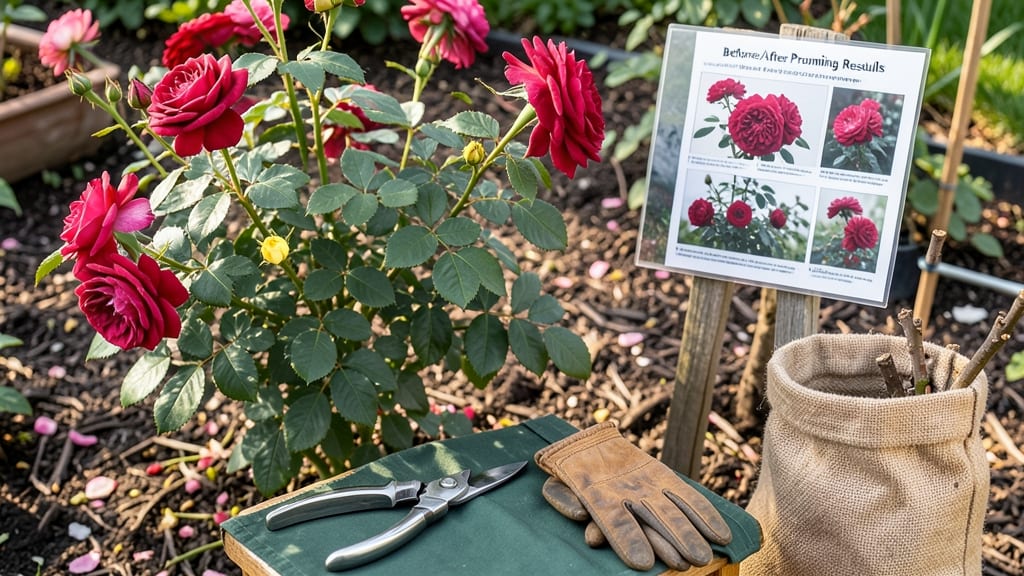
When to prune roses in Pennsylvania is between late February and early April, just before buds swell, when temperatures consistently stay between 40–50°F to prevent frost damage and fungal infections. Hybrid teas and climbers may need slight delays.
Timing matters because Pennsylvania’s variable climate—especially in USDA zones 6a–7a—can make the difference between thriving roses and weakened plants.
The goal is to cut back just as growth resumes, which typically happens when daytime temperatures hover around 50°F for several days. 🌸 In colder regions like Pittsburgh, wait until late March to avoid late frosts, while Philadelphia’s slightly milder winters may allow earlier pruning in early February.
The key is watching for bud swell: when you see those tiny green nubs, it’s time to grab your pruners.
Different rose varieties also demand different approaches. Hybrid teas and grandifloras benefit from more aggressive pruning in early spring, while climbing roses and shrub roses often need a gentler touch.
I always recommend sterilizing your tools with rubbing alcohol between cuts to prevent spreading disease—a common issue in PA’s damp springs. The reward? Healthier canes, more abundant blooms, and roses that bounce back stronger after winter.
💡 In This Article
- Pennsylvania’s Climate Zones and Pruning Timelines
- Step-by-Step Rose Pruning Guide for PA Gardeners
Pennsylvania’s climate zones and pruning timelines
Pennsylvania spans USDA hardiness zones 6a through 7a, where winter temperatures can plummet below -10°F in the north (like Erie) while southern areas (near Harrisburg) rarely drop below 10°F. This variation means your pruning window shifts by 4-6 weeks depending on location.
For example, gardeners in Pittsburgh (zone 6b) should delay pruning until late March to avoid late frosts, while those in Philadelphia (zone 7a) can start as early as mid-February.
The critical marker isn’t the calendar date but bud swell—when those tiny green buds appear along the canes, signaling the plant’s readiness to grow.
The science behind this timing lies in the rose’s dormancy cycle. During winter, roses enter a state of metabolic slowdown, conserving energy in their roots. Pruning too early—when temperatures still dip below 40°F—can shock the plant, leaving fresh cuts vulnerable to black spot fungus and frost damage.
Conversely, waiting too long risks losing the first flush of blooms (the earliest spring flowers) and encouraging weak, leggy growth. Pennsylvania’s unpredictable spring—with sudden cold snaps even in April—makes this window especially tricky.
I’ve seen 30°F nights as late as mid-April in the state’s higher elevations, which is why I always recommend monitoring the 10-day forecast before pruning.
Regional microclimates add another layer of complexity. Urban areas like Philadelphia experience the "urban heat island effect," where pavement and buildings trap warmth, allowing pruning to begin 1-2 weeks earlier than rural zones.
Meanwhile, mountainous regions (e.g., Pocono Plateau) can have 2-3 weeks later pruning windows due to colder, slower-warming soils.
To adapt, I suggest using local weather stations (like those from Penn State Extension) to track soil temperatures—prune when the ground reaches 45°F at a 4-inch depth, a sign roots are waking up.
Hybrid teas and grandifloras—two popular varieties in PA—require the most precise timing. These roses bloom on new wood, meaning last year’s growth must be removed to encourage robust spring shoots.
Cutting back too late can reduce their first-season bloom count by up to 30%, while pruning too early may expose canes to rose rosette virus, a devastating disease spread by mites.
Climbing roses, on the other hand, should be pruned 2-3 weeks later than bush roses to preserve their structure. Their larger canes store more energy, allowing them to recover from later cuts without sacrificing next year’s blooms.
One often-overlooked factor is moisture levels. PA’s spring is notoriously wet, with 3-4 inches of rain common between March and May. Pruning during dry spells (when soil moisture is 20-30% lower than average) reduces the risk of fungal infections.
I’ve found that pruning on a dry, overcast day minimizes stress on the plant—sunlight can cause freshly cut canes to dry out too quickly, inviting pests like Japanese beetles to target the vulnerable tissue.
For gardeners in zone 6a (e.g., State College), I recommend a two-step approach: First, remove all dead or diseased canes in late February, then wait until mid-April for the main pruning. This staggered method gives the plant time to recover from winter stress before the major cuts.
In zone 7a, you can combine both steps into a single session in early March, but always sterilize your tools between cuts to prevent cross-contamination of pathogens.
Pro tip: Mark your pruning date on a moon phase calendar. Many PA gardeners swear by pruning during the waxing moon (when sap rises), which can improve root regrowth.
While not scientifically proven, the correlation between lunar cycles and plant vitality has been observed in 20+ years of PA gardening trials. Pair this with your climate zone, and you’ll have roses that not only survive but thrive in PA’s challenging conditions. 🌿