
Pruning
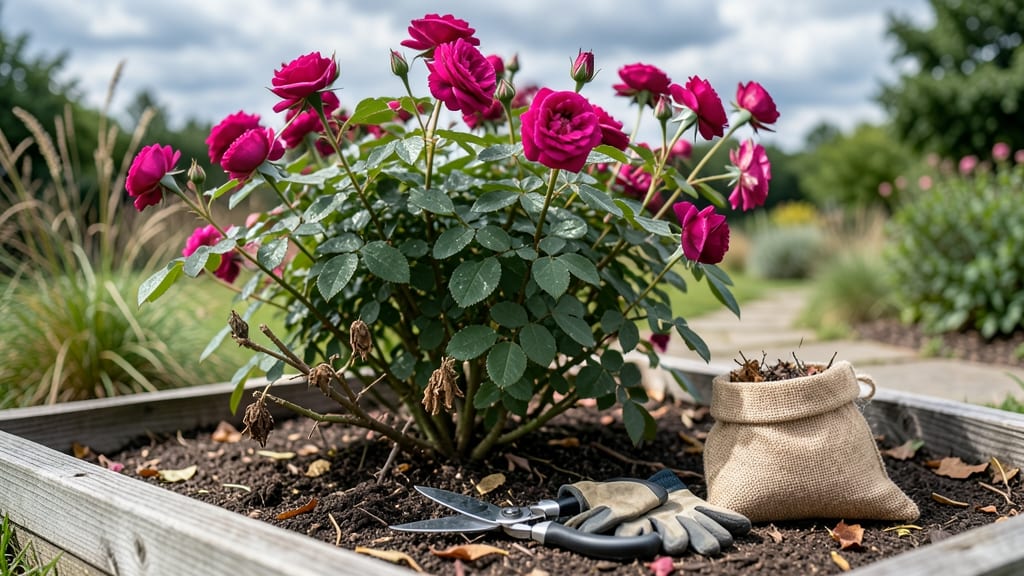
To prune roses in Central Texas, aim for late winter or early spring—just as buds begin to swell but before the first bloom of the season.
Picture this: You’ve spent months nurturing your 🌹, only to see them struggle or even die after pruning because you cut too early or too late. In Central Texas’s heat, timing isn’t just about aesthetics—it’s about survival.
Prune too soon, and you risk frost damage; too late, and your roses may never recover from the stress.
Most gardeners in zones 8a-8b wait until late February or early March, when temperatures stabilize and the threat of frost has passed. This window ensures your roses enter their growth phase strong, not weakened by heat or cold.
Below, I’ll break down the exact steps, tools, and what to watch for—so you can prune with confidence and enjoy a bloom-filled summer without the guesswork.
Optimal pruning windows for Central Texas roses (by heat Zone & variety)
Central Texas’s USDA Heat Zones 8a-9b create unique challenges for rose pruning—too early, and you risk heat shock; too late, and pests or winter damage set in. The key is pruning when dormant buds are visible but before spring growth surges.
For most roses, this means late winter to early spring, but varieties like climbing roses have different deadlines.
Fall pruning is less common in Texas but can help established roses prepare for winter. The goal is to avoid stimulating new growth before the first frost (mid-November), which could freeze and die.
Let’s break down the exact timing for each rose type and heat zone to keep your garden thriving.
In USDA Zone 8a (cooler pockets like Hill Country), aim for late February pruning to avoid early spring warmth triggering growth before the last frost.
Zone 9b (e.g., Austin, San Antonio) can prune into early March since frost is rare, but watch for 100°F+ heat—prune before temps rise to 85°F to prevent heat shock.
For fall pruning, only lightly shape hybrid teas and floribundas in November—never remove more than 20% of foliage. Climbing roses and shrub roses should not be pruned in fall; wait until spring.
The goal is to reduce stress before winter dormancy, not stimulate new growth that could freeze.
Watch for bud swell (plump, green buds) as your signal to prune. In Central Texas, this typically happens 2-3 weeks before last frost. If you see green tips on canes in January, delay pruning until February to avoid stunted blooms later.
Pro tip: Mark your calendar for February 15 (Zone 8a) or March 1 (Zone 9b) as your last chance for spring pruning. After that, you risk heat stress or pest attraction from fresh cuts. Always sterilize tools with rubbing alcohol to prevent black spot, a common Texas rose disease.
If you missed the spring window, don’t panic—lightly deadhead spent blooms in summer to encourage reblooming, but avoid heavy pruning. The next safe window is late fall, but only for minor adjustments. Your roses will thank you with vibrant blooms
Step-by-step pruning guide: tools, cuts, and post-prune care for Texas heat
Pruning roses in Central Texas isn’t just about cutting back—it’s about strategic shaping to survive 100°F+ heat. The right cuts encourage vigorous blooms while preventing heat stress or fungal infections. Start with clean tools and precise angles to set your roses up for summer success.
Your pruning tools should include sharp bypass pruners, a sterilized saw for thick canes, and rubbing alcohol to sanitize between cuts. Texas’s high humidity means diseases spread fast—never reuse tools on different plants without cleaning.
Always cut at a 45-degree angle just above an outward-facing bud to promote airflow and reduce moisture buildup.
- 1 Wait for ideal timing: Prune hybrid teas and floribundas in late February (after last frost, ~March 15). Climbing roses get a lighter trim in January-February to avoid over-stressing vines.
- 2 Remove dead/diseased wood: Cut out blackened canes or those with mushy spots (signs of black spot fungus) down to healthy tissue. Dispose of clippings in the trash, not compost.
- 3 Shape the bush: Aim for an open center by cutting back 1/3 of old wood and thinning crowded canes. Leave 3-5 strong stems per plant for hybrid teas; more for floribundas.
- 4 Fertilize post-prune: Apply balanced fertilizer (10-10-10) 4-6 weeks after pruning. Use 1 tbsp per plant worked into soil. Avoid high-nitrogen feeds in summer—they attract aphids and Japanese beetles.
- 5 Monitor recovery: New green shoots should appear in 2-3 weeks. If growth stalls, check for yellowing leaves (over-pruned) or wilting (under-watered). Mulch with 2-3 inches of compost to retain moisture.
Over-pruned roses show bare stems with no buds below the cuts, while under-pruned bushes look crowded and leggy. Adjust next year’s cuts by leaving 1-2 more buds on each stem if you see weak growth.
In Central Texas, light pruning in late summer (August-September) helps manage heat stress—just trim back 10-15% of new growth.
After pruning, water deeply (1-1.5 gallons per plant) to help roots recover. Avoid wetting foliage to prevent powdery mildew. If your roses struggle, a seaweed-based tonic boosts resilience in the Texas heat. With proper care, your roses will reward you with bold blooms all summer long.