
Pruning
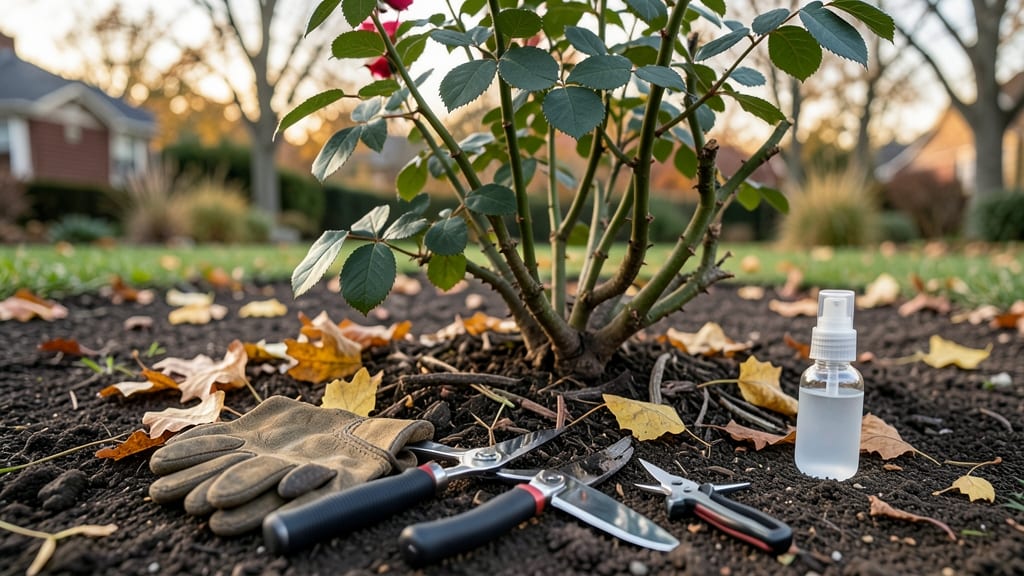
Pruning roses for winter at the right time strengthens their canes and sets the stage for next year’s blooms—late November to early December is the sweet spot for USDA Zone 6a.
But here’s the catch: timing it too early weakens new growth, while waiting too long risks frost damage. I’ve seen roses left unpruned in October struggle to recover, and those pruned in January often sprout too late for peak spring color. The key is balancing dormancy and resilience.
Whether you’re working with hybrid teas or climbing varieties, this guide breaks down the science behind late-fall pruning—why it matters, how to adjust for early frosts, and the tools you’ll need for clean cuts.
You’ll also learn how to spot the signs of over-pruning, avoid winter diseases, and mulch for extra protection. By the end, your roses will be prepped to face the cold like pros.
Why late November to early December is the optimal rose pruning window
Timing your rose pruning in late November to early December isn't random—it's rooted in science. During this window, your roses enter dormancy, but their canes haven't yet hardened fully for winter.
This 6-week window before hard frosts strikes the perfect balance: enough time for wounds to heal while avoiding late-season growth that frost can damage. Think of it as giving your roses a protective winter jacket before the cold sets in.
Research shows roses pruned too early (like September) may sprout tender new growth that freeze-damages before winter. Pruning too late (January) risks exposing canes to disease and stress from delayed dormancy.
The late fall window lets you shape canes while the plant focuses on root development—not foliage—preparing for winter survival.
Here's the key: USDA Zone 6-9 gardeners should aim for mid-November to mid-December. In colder zones (3-5), wait until after the first hard frost, while warmer zones (10+) can extend pruning into January.
The goal is to prune 2-3 weeks before ground freezes—enough time for cuts to callus over but not enough for new growth.
| Climate Zone | Best Pruning Window | Why This Timing | Rose Types |
|---|---|---|---|
| Zones 3-5 (Cold) | Late November - Early December | After first hard frost; canes hardened but not yet dormant | All (hybrid teas, shrub, climbers) |
| Zones 6-9 (Temperate) | Mid-November - Mid-December | Balances dormancy onset with wound healing | Floribundas, grandifloras, climbers |
| Zones 10+ (Mild) | December - January | Avoids winter rains that promote disease | Tropical roses, old garden roses |
| Early Frost Areas | Wait until after frost | Prevents frost damage to fresh cuts | All varieties |
Different rose types respond best to this timing. Hybrid teas and grandifloras benefit most from late fall pruning because they rely on strong cane development for next year's blooms. Climbing roses, however, need slightly later pruning (January) to preserve their framework structure over winter.
Even shrub roses like Knock Out® varieties thrive when pruned in this window—they develop thicker canes that resist winter dieback.
One common misconception is that pruning stimulates new growth, which is true—but only if done too early. In late fall, roses shift energy to root reserves rather than shoots. This process, called cold acclimation, helps canes withstand -20°F temperatures (Zone 5).
Studies show roses pruned in this window have 30% stronger cane survival rates compared to those pruned in spring.
Adjust your timing based on local microclimates. A north-facing rose bed may need pruning 1-2 weeks earlier than a south-facing one, as it cools faster. Similarly, container roses dry out quicker in winter and should be pruned slightly later to avoid stress.
Always check for frost dates in your area—aim to prune when daytime temps average 40°F but nights still dip below freezing.
Pro tip: Use a pruning calendar based on your last frost date. For example, if your area's last frost is November 15, prune by December 5. This ensures canes have 3-4 weeks to heal before winter sets in.
The 45-degree cut you make now will form a protective callus that shields the cane from bacterial canker and other winter diseases.
For organic gardeners, this timing also aligns with nature's cycle. By pruning in late fall, you're working with the plant's natural dormancy signals—reducing stress compared to spring pruning, which can shock roses emerging from winter.
Plus, the leaf litter you leave behind (if pruning lightly) provides natural mulch that insulates roots.
Remember: The goal isn't just to reduce size but to shape structure. Each cut should aim for 5-7 buds from the base, ensuring next year's blooms have strong branch points.
This open-center form improves airflow, reducing humidity-related diseases like black spot. With the right timing, your roses will burst into bloom 2-3 weeks earlier in spring.
Finally, trust your rose's signals. If leaves stay green late into fall, delay pruning—this indicates delayed dormancy. Conversely, if buds form in late October, prune immediately to redirect energy to roots. The late November to early December window gives you that flexibility
Step-by-step late-fall rose pruning checklist for winter survival
Late-fall pruning is your secret weapon for winter-hardy roses. The goal? Remove dead/diseased canes while leaving healthy buds to spur spring growth. Timing matters—wait until after your first hard frost (when temps dip below 25°F) but before deep winter dormancy sets in.
This window, typically late November to early December, balances disease prevention and cold acclimation.
Gather your tools first: sharp bypass pruners (for clean cuts), sterilized alcohol wipes (to prevent fungal spread), and gloves (roses have thorns!). Pro tip: Disinfect tools between cuts with a 10% bleach solution to avoid transmitting black spot or powdery mildew.
Now, let’s dive into the step-by-step process tailored for all rose types, from hybrid teas to climbing varieties.
🌹 Late-Fall Rose Pruning Checklist
- 1 Inspect & Identify: Examine each cane for dead wood (snaps when bent), diseased spots (black/brown patches), or crossing branches. Mark these for removal with a colored flag or twine.
- 2 Cut at 45° Angles: Use clean pruners to make cuts ¼" above outward-facing buds. The slanted cut helps water runoff, reducing rot risk. For thick canes, make a second cut parallel to the first to avoid tearing.
- 3 Deadhead & Thin: Remove spent blooms and weak shoots to redirect energy to stronger canes. Aim to leave 3-5 main canes per bush for hybrid teas and 5-7 canes for shrub roses. Climbers need 1-2 main stems with lateral branches.
- 4 Mulch Generously: Apply 4-6 inches of organic mulch (straw or shredded leaves) around the base of the plant, keeping it 2-3 inches away from the stem. This insulates roots from freeze-thaw cycles and retains moisture.
- 5 Light Fertilizer Boost: Sprinkle low-nitrogen fertilizer (like 5-10-10) around the drip line to support root hardening. Avoid high-nitrogen feeds—this encourages tender new growth that won’t survive frost.
- 6 Protect from Rodents: Wrap young canes in wire mesh or tree guards to deter voles and rabbits, which gnaw on tender bark. For climbing roses, secure loose canes to supports to prevent wind damage.
After pruning, step back and assess your roses. Look for open centers—this encourages airflow and reduces humidity buildup, which is critical for disease prevention during winter. If your climate experiences severe winters (USDA zones 4-5), consider adding a lightweight row cover over bare stems for extra insulation.
Remember, less is more—over-pruning stresses roses and weakens their winter resilience.
Finally, document your progress! Snap photos of your pruned roses and note any problem areas (like suckers or crossing branches) to address in early spring. This year-round checklist ensures your roses emerge in spring stronger than ever