
How To
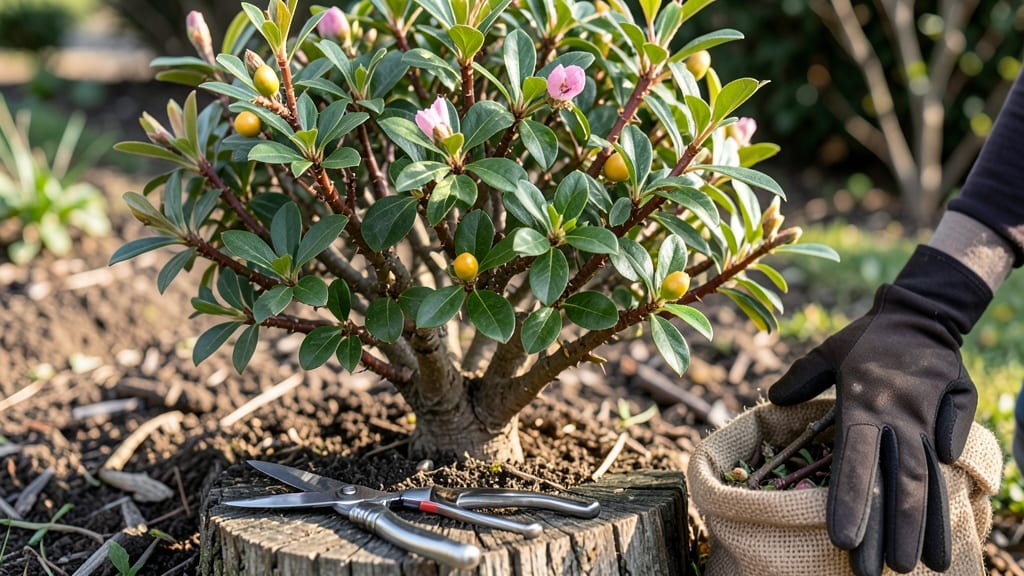
To prune Japanese quince 🌸 at the right time means cutting back in late winter before buds swell—this is the key to stronger canes and better fruit next season.
If you’ve ever watched your Japanese quince’s branches become tangled or its blooms thin out, you’re not alone. Pruning at the wrong time can weaken growth or even reduce fruit production—but timing it perfectly in late winter unlocks stronger canes and a bountiful harvest.
Most gardeners in USDA Zone 6a should prune between February and March, when the plant is dormant but before new growth begins. This timing ensures you’re not cutting off next year’s blooms or stressing the shrub too early in the season.
Below, I’ll walk you through the exact steps, tools, and climate-specific tips to prune your Japanese quince like a pro—so you can enjoy healthier plants and more fruit in late summer.
Optimal late winter pruning timeline for Japanese quince
Timing your Japanese quince pruning correctly in late winter is the key to maximizing its fruit production and overall health. This dormant-season task stimulates new growth while protecting the plant from late frosts that can damage fresh cuts.
The ideal window aligns with USDA Zone 6a conditions, but adjustments are needed for warmer or colder climates.
Japanese quince blooms on old wood, meaning last year's branches produce this year's flowers and fruit. Pruning too late risks removing flower buds before they open, while pruning too early leaves the plant vulnerable to winter dieback.
The sweet spot is when temperatures consistently stay above 40°F but before bud break begins.
Here’s my summary table breaking down the exact timing, temperature thresholds, and regional adjustments for perfect late-winter pruning:
| Stage | Action | Ideal Temperature | USDA Zone Adjustments |
|---|---|---|---|
| Late Winter (Pre-Bud) | Remove dead/diseased wood | 35°F–45°F | Zones 5-7: Feb–early March Zones 8-10: Jan–Feb |
| Early Spring (Bud Swell) | Thin crowded branches | 40°F–50°F | Zones 5-7: Late March Zones 8-10: Feb–March |
| Bloom Preparation | Shape for sunlight access | Above 45°F | Complete before buds open |
For Zone 6a gardeners, aim to finish pruning by mid-March to avoid late frost damage. In warmer zones (8-10), prune earlier (January–February) to prevent premature bud break from mild winters. Always check your local frost dates—pruning too close to last frost risks stressing the plant.
Aligning pruning with bloom cycles ensures your Japanese quince retains its flower buds for next year’s harvest. The best time to prune is when dormant canes are visible but no green tips have emerged.
This typically falls between February and early March in most regions, but watch for bud swell—that’s your cue to stop cutting.
Pruning at this stage also reduces disease risk by removing last year’s dead wood before fungal spores spread. I recommend sterilizing tools with rubbing alcohol between cuts to prevent bacterial canker, a common issue in Japanese quince.
Always cut just above a bud or branch collar at a 45-degree angle for the cleanest heal.
If you’re in a cooler climate (Zones 4-5), delay pruning until after the last frost (typically mid-April). The critical temperature threshold is 40°F—never prune when nights dip below this, or you risk cold stress on fresh cuts.
For container-grown Japanese quince, prune slightly earlier (January–February) since pots warm faster and buds may swell sooner.
Pro tip: Mark your pruning calendar with three key dates—first frost date, last frost date, and average bloom time for your area. This helps you time cuts precisely and avoid the 3-week window before blooms open.
Japanese quince flowers are highly fragrant and attract pollinators, so preserving them is worth the effort!
After pruning, feed your Japanese quince with a balanced 10-10-10 fertilizer in early spring to support new growth. Pair this with mulch around the base to retain moisture and regulate soil temperature.
With the right timing, your pruned Japanese quince will reward you with vibrant blooms and abundant fruit by late summer.
Step-by-step pruning guide for Japanese quince canes
Pruning your Japanese quince is essential for maintaining its shape, improving airflow, and boosting fruit production—but doing it wrong can stress the plant. The key is to focus on removing dead wood, thinning crowded branches, and shaping the shrub while preserving healthy growth.
With the right technique, you’ll encourage stronger canes and a more abundant harvest next season.
Start by identifying dead or diseased branches, which are your first priority. These appear brown, brittle, or without leaves, often with cracks or peeling bark. Next, look for crossing or rubbing branches that compete for sunlight and nutrients.
Finally, shape the plant by cutting back overly long canes to maintain an open, vase-like form—this ensures sunlight reaches the center where fruit develops.
When to Prune Japanese Quince
- 📅 Late Winter (February-March) – Prune before buds swell but after hard frosts pass (USDA Zone 6a+).
- ⏰ Dormant Season – The plant is not actively growing, so cuts heal faster.
- ☀️ Mild Days – Choose 40–50°F (4–10°C) for minimal stress.
- ❄️ Avoid Frost – Never prune if frost is forecasted within 48 hours.
- 🌱 Post-Pruning Care – Apply mulch to retain moisture and fertilize in spring.
Grab your sharp pruning shears and sterilize them with rubbing alcohol to prevent spreading disease. Begin by cutting dead wood back to the main stem, making clean cuts at a 45-degree angle just above a bud or branch collar.
This angle helps water runoff avoid rotting the wound. For thinning crowded branches, remove entire branches at their base, leaving a smooth surface.
When shaping, aim to create an open center by selectively pruning outward-growing canes. This encourages sunlight penetration and reduces humidity, which minimizes fungal risks. Limit your cuts to no more than 25% of the plant’s total growth in one session—over-pruning can shock the Japanese quince and delay spring blooms.
Always step back occasionally to assess balance and symmetry.
After pruning, inspect the cuts for smooth surfaces and no jagged edges. Ragged cuts can invite pests or disease. If you accidentally nick a healthy branch, seal the wound with pruning sealant (optional for small cuts).
Water the base of the plant deeply to help it recover, and avoid heavy fertilization for 6 weeks post-prune to let the cuts heal properly.
Your Japanese quince will reward you with vibrant blooms in spring and sweet, fragrant fruit in fall—but only if you prune at the right time and with care. By following these steps, you’ll keep your shrub healthy, productive, and beautifully shaped for years to come. Happy pruning! 🌸