
Pruning
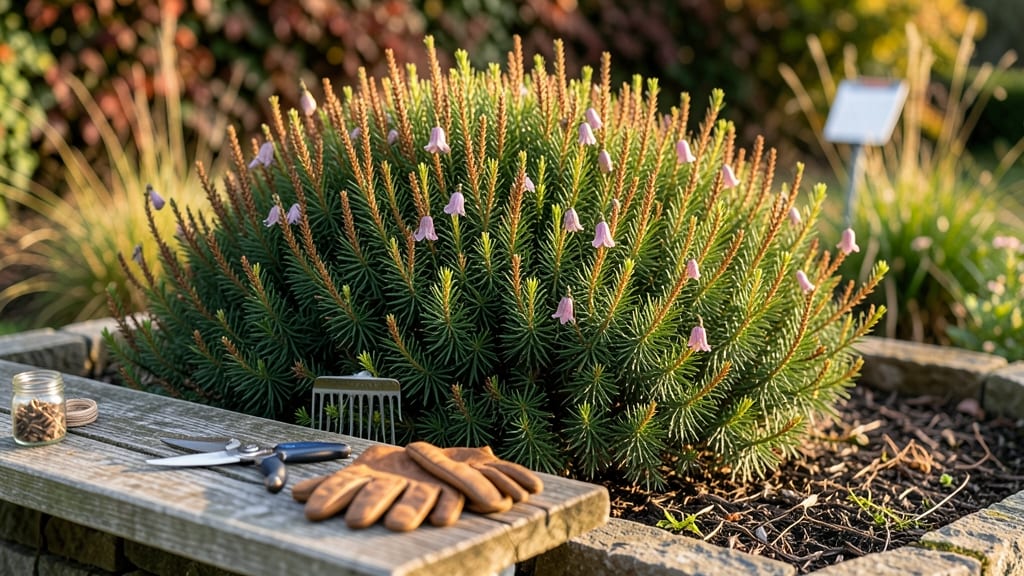
Pruning heather bushes at the wrong time can mean the difference between a stunning spring display and a barren landscape—yet many gardeners get it wrong, risking permanent damage to their plants.
If you’ve ever watched your 🌿 heather bushes bloom beautifully one year, only to struggle the next, timing is likely the culprit. Heather thrives when pruned strategically, but a misstep can leave your shrubs looking ragged or even dead.
The key is knowing when to cut back without sacrificing next year’s flowers.
For most heather varieties in USDA Zone 6a, the best time to prune is in late winter or early spring, just as new growth begins. This timing ensures you don’t cut off next year’s flower buds, which form on the previous year’s growth.
Fall-flowering types, however, should be pruned right after blooming to encourage fresh growth for the following season.
In this guide, I’ll walk you through the exact timing for your region, the tools you’ll need, and step-by-step instructions to prune your heather bushes without harming them. Whether you’re a beginner or a seasoned gardener, these tips will keep your heather looking lush and vibrant year after year.
Optimal pruning seasons for heather bushes: spring vs fall timing explained
Timing is everything when it comes to pruning heather bushes. Unlike many shrubs, heathers bloom on old wood, meaning last year’s growth produces this year’s flowers. Pruning at the wrong time can leave you with bare branches and no blooms—so let’s get this right.
The best windows are late winter/early spring or after flowering, but regional climate plays a huge role in when you should grab those pruners.
In USDA Zones 5-7, where winters are colder, pruning heather bushes in late winter (February-March) gives them time to regenerate before spring growth begins. However, in milder climates (Zones 8-10), late winter pruning can trigger early growth that gets damaged by unexpected frosts.
This is why fall pruning (after flowering) is often safer in warmer regions—it avoids frost risks while still allowing time for new growth before winter.
Heather varieties also influence timing. Spring-flowering heathers (like Calluna vulgaris) should never be pruned after June, as you’ll cut off next year’s blooms. Meanwhile, summer-flowering heathers (such as Erica carnea) can handle pruning in late summer or early fall because their flowers form on new wood.
Knowing your variety is the first step to avoiding costly mistakes.
Here’s the key rule: Never prune heather bushes when they’re in bloom. Cutting flowers removes potential blooms for next season, and heathers are notoriously slow to recover. Even a light trim at the wrong time can stress the plant.
Instead, plan your pruning to align with your local frost dates and the flowering cycle of your specific heather type.
| Pruning Time | Best For | Climate Zones | Risks if Done Wrong | Post-Pruning Care |
|---|---|---|---|---|
| Late Winter (Feb-March) | Spring-flowering heathers | Zones 5-7 | Early growth damaged by frost | Light feed in spring |
| After Flowering (July-August) | Summer-flowering heathers | Zones 8-10 | Removing next year’s blooms | Water deeply post-prune |
| Early Fall (Sept-Oct) | All heathers (mild climates) | Zones 8-10 | New growth may not harden off | Mulch to protect roots |
| Never During Blooming | Any heather variety | All zones | Loss of next year’s flowers | Deadhead spent blooms only |
If you’re in a cold climate (Zones 5-7), aim to prune heather bushes in late winter—just as new growth begins but before buds swell. This timing ensures the plant has time to recover before winter sets in again.
For example, in Zone 6, pruning in mid-March gives heathers a full growing season to rebound. In contrast, gardeners in Zone 9 can safely prune in September without risking frost damage.
One common mistake is pruning heather bushes too aggressively. Even in the right season, cutting back more than one-third of the plant can stress it. Instead, focus on shaping and removing dead wood.
Use sharp, clean pruners to make 45-degree cuts just above a leaf bud. This encourages bushier growth and prevents disease. Always prune on a dry, sunny day to help wounds heal faster.
Regional microclimates also matter. For instance, heathers in coastal areas with milder winters can handle fall pruning without issues, while those in inland valleys may need to wait until spring. Pay attention to your local last frost date—pruning too early can expose tender new growth to sudden cold snaps.
When in doubt, observe your plant’s natural cycle: if buds are already swelling, it’s time to prune.
Don’t forget that heather bushes are slow growers. Over-pruning can take years to recover, so err on the side of caution. If you’re unsure about timing, light pruning in late winter is the safest bet for most varieties. And if you accidentally prune at the
Step-by-step guide: how to prune heather for maximum blooms without killing the plant
Pruning your heather bushes correctly is the key to encouraging vibrant blooms while protecting the plant from stress or damage. Unlike many shrubs, heather thrives on light pruning—overdoing it can leave your plant looking bare and struggling to recover.
The right technique ensures healthy foliage and plentiful flowers for seasons to come.
Before you grab your pruners, it’s crucial to understand the difference between deadheading spent blooms and hard pruning for shaping. Deadheading removes faded flowers to redirect energy, while hard pruning reshapes the plant after flowering.
Both methods require precision to avoid cutting into old wood, which heather cannot regenerate. Let’s break down the process step by step.
- Step 1
- Step 2
- Step 3
- Step 4
- Step 5
After pruning, your heather will need some extra care to bounce back strong. Water the plant deeply to help it recover, especially if you’ve pruned in hot, dry weather.
Avoid heavy watering in the first few days post-pruning, as fresh cuts are more susceptible to rot or fungal infections. Mulch around the base with organic matter like pine needles or bark to retain moisture and protect roots.
One common mistake is pruning too aggressively, which can leave heather looking bald and stunted. Remember, heather grows slowly, so patience is key. If your plant looks sparse after pruning, resist the urge to cut back further—it will recover with time and proper care.
Over the next growing season, you’ll see new growth and buds forming, leading to even more stunning blooms next year.
With the right timing and technique, your heather bushes will reward you with lush foliage and vibrant flowers for years to come. Happy pruning! 🌿✂️🌸