
How To
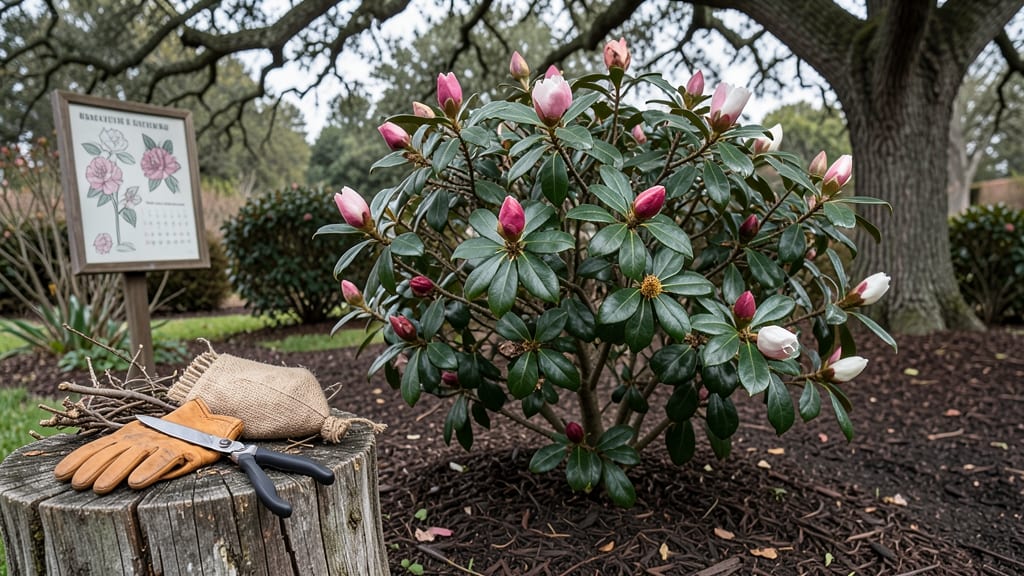
Pruning camellias at the right time ensures vibrant blooms next spring—late winter, when the plant is dormant but not yet pushing new growth, is the sweet spot.
Picture this: You’ve waited all year for your 🌸 camellia to burst into color, only to find sparse buds after pruning too late. The difference between a full, show-stopping display and a lackluster one often comes down to timing—and a few simple rules.
In colder climates like USDA Zone 6a, aim for late February to early March, while milder regions can prune as late as April. The key is to finish before new leaves appear, giving the plant time to heal before spring’s growth surge.
Below, I’ll walk you through the exact window, how to spot the perfect dormant-but-not-frozen moment, and why cutting at the wrong time can leave your camellia struggling to bloom. Plus, we’ll cover exceptions for shaping vs. rejuvenation pruning.
Late winter pruning: the exact time frame for camelias
Timing your camellia pruning in late winter is the key to stunning spring blooms. The ideal window falls between late February and early March in most of the U.S., but regional USDA zones and local weather patterns shift this timeline slightly.
Pruning too early risks frost damage, while waiting too long delays new growth. Let’s pinpoint the perfect moment for your climate.
For USDA zones 7-10, late winter pruning typically occurs after the last frost date but before new growth begins. This dormant-but-warm phase ensures your camellia isn’t stressed by cold snaps or deprived of energy for spring blooms.
In colder zones (like 7), aim for mid-March, while warmer zones (like 9-10) can prune as early as late February.
| Zone | Ideal Pruning Window | Key Cue | Avoid |
|---|---|---|---|
| 7 (Colder) | Mid-March | After last frost, before buds swell | Pruning before buds form |
| 8 (Moderate) | Late February to early March | When soil is workable (60°F+) | Cutting after buds appear |
| 9-10 (Warm) | Late February | Before new shoots emerge | Pruning during rainy season |
To identify the perfect moment, check for dormant but thawed conditions. Look for no green buds on stems and soil that’s workable (not frozen or muddy).
A gentle squeeze on a stem should feel firm, not brittle. This signals your camellia is ready for a light trim to encourage next year’s blooms.
In milder climates like Southern California (zone 10), late February is ideal, but avoid pruning if rain is forecasted. Wet conditions can stress freshly cut stems. Instead, wait for a dry, sunny day to prune.
For cooler regions like the Pacific Northwest (zone 8), mid-March is safer—just ensure nighttime temps stay above 32°F.
Watch for new growth signs like tiny green tips on branches. If you spot these, you’ve missed the window! Pruning too late can reduce flower buds for spring.
For Camellia japonica (spring bloomers), prioritize pruning 3-4 weeks before buds swell. Camellia sasanqua (fall bloomers) can handle pruning slightly later, but still aim for late winter.
Use the fingernail test to check stem readiness: Press a fingernail into a branch. If it leaves a shallow dent (not deep), it’s time to prune. If the wood feels hard as bone, wait a week. This simple test saves your camellia from unnecessary stress and ensures vibrant blooms.
Regional microclimates matter too. Coastal areas with milder winters (like San Francisco) can prune 2 weeks earlier than inland zones. Conversely, valley regions with cold snaps may need to delay until April. Observe your camellia’s local environment—shady spots stay cooler longer, while sunny exposures warm up faster.
After pruning, sanitize tools with rubbing alcohol to prevent bacterial spread. Remove dead or crossing branches first, then shape lightly. Avoid heavy cuts—camellias bloom on old wood, so preserve last year’s growth. A 10-15% trim is ideal for most mature plants.
Remember: Late winter pruning isn’t just about shaping—it’s about setting up next year’s blooms. By following these cues, you’ll enjoy healthier plants and more flowers by spring. Happy pruning! ✂️🌸
Step-by-step guide: how to prune camelias without killing next year’s flowers
Pruning your camellia shrubs correctly ensures a stunning display of next year’s blooms, but one wrong cut can leave you with sparse flowers. The key is knowing when and how to prune without removing the flower buds that form over winter.
Let’s break it down into simple steps so you can shape your camellia without sacrificing its beauty.
Camellias bloom on old wood, meaning their flowers develop on last year’s growth. This makes timing critical—prune too late, and you risk cutting off next season’s buds. The best time to prune is late winter, just as new growth begins but before buds swell.
This window typically falls between February and early March in most climates, but adjust based on your local frost dates.
How to Prune Camelias: Step-by-Step
- Step 1: Wait until late winter (after last frost) but before new growth appears. Look for tight buds that haven’t yet swollen.
- Step 2: Use clean, sharp pruners to make cuts at a 45-degree angle, about 1/4 inch above a leaf node or outward-facing bud.
- Step 3: Remove dead or crossing branches first to improve airflow. Cut back to the main stem or a healthy side branch.
- Step 4: Shape the shrub by thinning out dense areas. Avoid heavy pruning—never remove more than 1/3 of the plant at once.
- Step 5: Deadhead spent blooms after flowering by cutting back to the nearest leaf node. This encourages new growth and keeps the plant tidy.
- Step 6: For rejuvenation pruning (older, overgrown plants), prune back harder in stages over 2-3 years to avoid shock.
- Step 7: Clean up debris and apply a 2-3 inch mulch layer around the base to retain moisture and protect roots.
Pro Tip: Label branches before pruning if you’re unsure which are old vs. new growth.
One of the biggest mistakes gardeners make is pruning too late—after buds have formed but before blooming. If you see swollen buds on your camellia, hold off on pruning until next winter.
Another common error is cutting into old wood too aggressively, which can leave ugly stubs and invite disease.
For Camellia japonica (spring bloomers), focus on light shaping prunes in late winter. If you have Camellia sasanqua (fall bloomers), you can prune right after their flowers fade in late winter or early spring. Always prioritize airflow and light penetration—this reduces humidity-related issues like bud blast (a fungal disease).
After pruning, give your camellia a light fertilizer with acid-loving formulation (like 8-4-8) to support new growth. Water deeply but avoid overwatering, which can lead to root rot. With the right timing and technique, your camellia will reward you with even more vibrant blooms next season.
Remember, patience is key—camellias respond well to gradual pruning. If you’ve let yours get a bit wild, don’t despair! Break up the work over a few years, and your plant will thank you with healthier growth and stunning flowers.