
How To
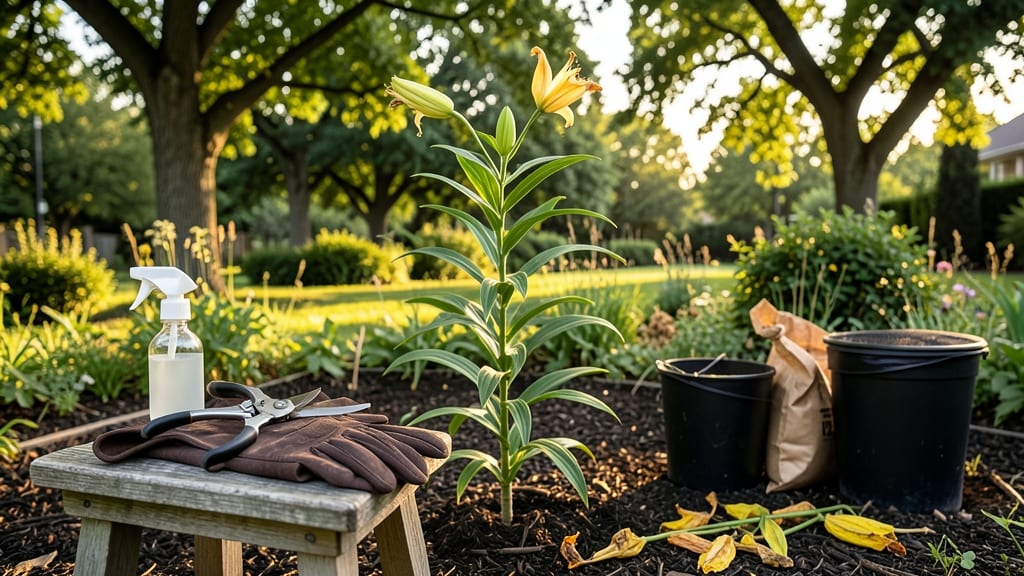
Pruning lilies in late winter isn’t just about cleanup—it’s the secret to next year’s showstopping blooms. 🌱 I’ve learned that cutting back too early or too late can rob your plants of energy they need to store for summer growth.
The key is timing it right after the first hard frost but before new shoots appear. You’ll need sharp pruners, gloves, and a bucket for clippings. Look for leaves that’ve turned brown and crispy—they’re ready to go.
Leave the healthy green foliage until late spring, as it’s still feeding the bulbs underground. After pruning, add a layer of mulch to protect the roots and keep moisture in.
The payoff comes in summer when your lilies send up taller stems and bigger blooms than ever before. This method works for both Asiatic and Oriental lilies, and it takes just 15 minutes once you get the hang of it.
The best part? Your garden will look tidier now, and your lilies will thank you with stronger growth all season.
📚 In This Guide
- What you need
- Instructions
- Tips and common mistakes
- Wrapping up and next steps
What you need
- ● Pruning shears or loppers: Sharp, clean tools with bypass blades (4–6" blades for lilies). Disinfect with rubbing alcohol before and after use to prevent disease spread.
- ● Gloves: Heavy-duty gardening gloves (nitrile-coated for grip) to protect against thorns and sap.
- ○ Garden twine or plant ties: (Optional but handy for securing large stems post-prune).
- ● Compost or mulch: A 2–3 inch layer of organic matter (e.g., shredded leaves, straw) to replenish soil after pruning.
- ● Watering can or hose: For post-prune hydration (1–1.5 gallons per plant in dry climates).
- ● Fungicide spray: Copper-based or neem oil to prevent fungal issues if lilies are disease-prone.
- ● Plant marker flags: Label stems you’re pruning for future reference (e.g., "2024 bloomer").
- ● Knee pads: Because late winter squats are inevitable—and your back will thank you!
- ● Trash bag or bucket: For disposing of pruned foliage (or composting if disease-free).
- ● Best time to prune: Late winter (just as new shoots emerge, before leaves unfurl). Avoid pruning in freezing temps or heavy rain.
- ● Weather check: Choose a dry, overcast day (60–70°F ideal) to minimize stress on plants.
- ● Plant health: Prune only healthy lilies—skip diseased or wilted stems (remove those separately and compost away from the garden).
Step-by-step guide to pruning lilies for maximum blooms
Here’s how I refresh my lilies every late winter so they burst with bigger, brighter flowers next season.
⏰ Step 1: Time Your Pruning Perfectly
Wait until late winter—after the ground freezes but before new shoots appear—usually February to early March in most climates. This timing prevents disturbing early growth while still allowing you to remove last year’s foliage. If you prune too early, you risk cutting back fresh growth; too late, and you’ll smother emerging buds.
Look for brown, crispy stems and dormant clumps—those are your cues. I always prune on a dry day when the soil is frozen solid. This ensures clean cuts and minimizes soil disturbance, which is especially important for lilies that spread via bulbs.
✂️ Step 2: Cut Back Last Year’s Foliage
Use clean, sharp bypass pruners to slice the previous season’s stems 1-2 inches above the soil line. Never pull or tear the foliage—this can damage the bulb’s neck and invite rot. I like to make a slight angle on the cut to help water run off and prevent moisture buildup.
Leave any small green shoots untouched—these are this year’s growth. If you accidentally cut one, don’t panic; lilies are resilient. Just leave the stub and it’ll regrow. Remove only the completely dead, brown stems—they’re no longer contributing to the plant’s health.
🌱 Step 3: Clear Debris and Inspect Bulbs
Rake away all cut stems and debris from the base of the lilies. Piling old foliage against the bulbs can trap moisture and encourage fungal diseases. I use a small hand rake to gently loosen the soil around the bulb area—just enough to check for signs of rot or pests.
If you notice soft, mushy bulbs or blackened roots, dig them up and discard the affected parts. Healthy lilies have firm, papery-white bulbs with tight scales. This is also a great time to divide congested clumps—if bulbs are crowded, separate them now for better blooms next year.
☀️ Step 4: Fertilize and Mulch for Spring Growth
After pruning, apply a balanced, slow-release fertilizer (like 10-10-10) around the base but not touching the bulbs. Lilies need nutrients to build strong roots before flowering. Water lightly to help the fertilizer settle into the soil, but avoid soaking the area—wet bulbs can rot.
Top with 2-3 inches of organic mulch, like shredded bark or straw, to insulate the soil and retain moisture. This protects the bulbs from late winter temperature swings and gives emerging shoots a head start. I always avoid synthetic mulches—they can smother the soil and prevent air circulation.
🌿 Step 5: Monitor for New Growth
In 4-6 weeks, you’ll see new shoots pushing through the soil. This is your signal that the pruning worked! Keep the area weed-free—lilies compete poorly with invasive grasses or clover. If you notice yellowing leaves, it’s usually a sign of overwatering or nutrient deficiency.
Once shoots reach 4-6 inches tall, you can reduce mulch thickness to 1 inch to prevent overheating. This encourages stronger stems and bigger blooms. I also like to stake taller varieties (like Oriental lilies) early to prevent flopping in wind or rain.
Tips & tricks for perfect lily pruning
These little adjustments will help your lilies thrive and reward you with showstopping blooms.
Timing is Everything: The late winter window (February to early March) is your sweet spot—when the ground is frozen but before new shoots appear. I learned this the hard way after accidentally cutting back fresh growth in January. If you're unsure, do the "frozen soil test": press your finger into the ground. If it resists, it's safe to prune. This timing ensures you're only removing last year's dead foliage, not this year's promise.
Tool Selection Matters: Never use dull scissors or your hands to pull stems—this tears the bulb's neck and invites rot. Invest in a pair of clean, sharp bypass pruners and make cuts at a slight angle 1-2 inches above the soil line. The angle helps water run off, preventing moisture buildup that can lead to fungal issues. I keep a small bottle of rubbing alcohol nearby to wipe down my pruners between cuts—it's a simple habit that prevents disease spread between plants.
Bulb Inspection Secrets: When you gently loosen the soil around the bulbs, look for firm, papery-white scales. Soft or mushy bulbs are a red flag—they're either rotting or pest-damaged. I always check the base of the bulb for blackened roots, which indicate overwatering or fungal infection. If you find affected bulbs, dig them up and compost them separately. Healthy lilies have tight scales that feel firm to the touch—almost like a crisp apple when you gently squeeze them.
Mulch Like a Pro: The 2-3 inches of organic mulch isn't just decoration—it's insulation. I use shredded hardwood bark because it breaks down slowly and improves soil structure over time. The key is to keep it 1 inch away from the bulb base to prevent moisture buildup. When new shoots appear in 4-6 weeks, thin the mulch to 1 inch total to prevent overheating. This layering technique creates the perfect microclimate for your lilies to thrive.
Pro Tips for Prune Lilies
- These little adjustments will help your lilies thrive and reward you with showstopping blooms.
- Timing is Everything: The late winter window (February to early March) is your sweet spot—when the ground is frozen but before new shoots appear.
- Tool Selection Matters: Never use dull scissors or your hands to pull stems—this tears the bulb's neck and invites rot.
Frequently asked questions
Got questions about pruning lilies? You’re not alone—this step can feel tricky, but we’ve got answers! Here are the most common concerns, from timing to troubleshooting, so you can prune with confidence.
When is the exact best time to prune lilies?
Late winter (just before new growth starts) is ideal—typically February to early March in most climates. If you’re in a warmer zone, wait until early spring when frost risk is gone. Avoid pruning in fall or during active growth, as this can stress the plant.
Do I need to cut back lilies all the way to the ground?
Not always! For hardy lilies (like Asiatic or Oriental types), cutting back to 2–3 inches above the ground is standard. However, tender lilies (like Stargazer) may need a gentler trim—leave 6–12 inches of stems to protect the crown. Always wear gloves (lily sap can irritate skin!).
What if my lilies still don’t bloom after pruning?
Bloom issues often stem from overcrowding or poor nutrition. Dig up and divide clumps every 3–5 years, and fertilize with bulb-specific food in early spring. Also, check for pests (like lily beetles) or fungus—yellowing leaves or mushy bulbs are red flags.
Can I prune lilies after they’ve already bloomed?
Yes! Once flowers fade, trim spent blooms to redirect energy to the bulb. For daylilies (which aren’t true lilies but often grouped with them), you can cut back 1/3 of the foliage after blooming—but leave the rest until late fall. This ensures the bulb stores enough nutrients for next year.
What’s the difference between pruning lilies and daylilies?
True lilies
(like Tiger Lilies) need a clean cut to the ground in late winter, while daylilies (genus Hemerocallis) should only have dead blooms removed post-flowering—never cut back foliage until it yellows naturally in fall. Mixing them up can stunt growth!
Wrapping up and next steps
Pruning lilies in late winter is your secret weapon for showstopping blooms next season! By removing old foliage, sharpening your tools, and timing cuts just right, you’re giving your lilies the fresh start they deserve. Don’t let hesitation hold you back—your garden will thank you with vibrant, healthy growth.
Ready to take action? Grab your pruners and schedule your pruning day before the first signs of spring. Start now—your lilies are waiting for their glow-up! 🌱✨