
Pruning
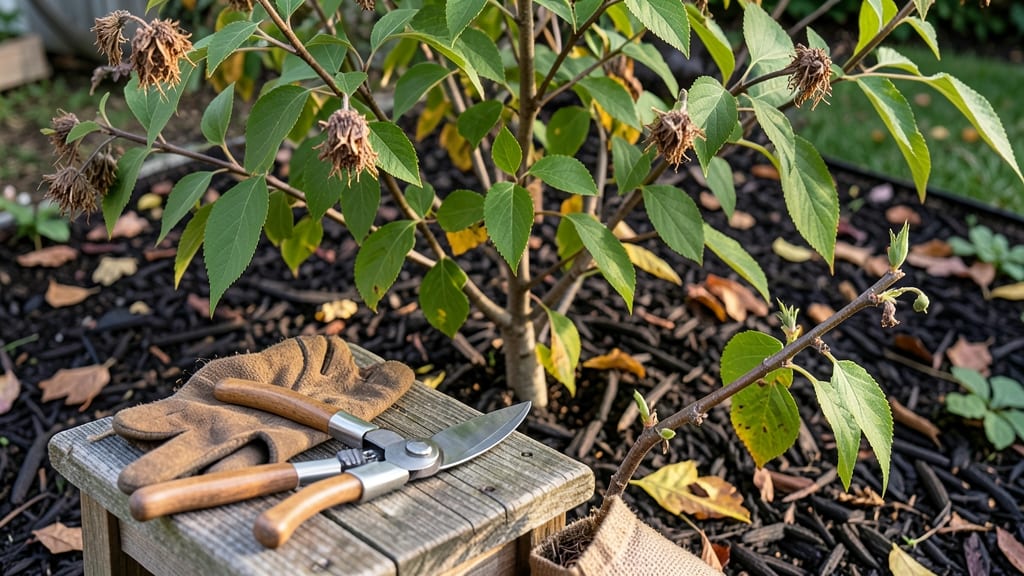
Pruning your butterfly bush 🦋 in Pennsylvania at the right time is the difference between a burst of summer blooms and a leggy, sparse shrub struggling to recover.
Picture this: You’ve waited all year for your butterfly bush to attract pollinators, only to realize you pruned too late in spring—now the blooms are sparse, and the plant looks half-dead.
The key? Timing your cuts to align with PA’s 5b-7a hardiness zones, where late frosts and early heat can throw off even the best-laid plans.
Most gardeners swear by late winter or early spring pruning, but fall cleanup has its place too—especially if you’re dealing with disease-prone stems or last year’s deadwood.
Below, I’ll break down the exact windows, tools, and techniques to keep your butterfly bush thriving, whether you’re in Pittsburgh’s cooler microclimate or Lancaster’s warmer valleys.
You’ll leave here knowing when to prune, how much to cut back (spoiler: it’s more than you think), and the one mistake that turns your butterfly bush into a bloomless stick by summer.
Optimal pruning seasons for butterfly bush in Pennsylvania zones 5-7
Pennsylvania’s variable climate—with cold winters and hot summers—makes timing your butterfly bush pruning critical. Prune too early, and you risk damaging new growth from late frosts. Prune too late, and you may miss the ideal blooming window for next season.
The key is understanding your USDA Zone 5-7 specifics, where last frosts can linger until mid-April in northern PA.
Most gardeners in PA focus on late winter/early spring pruning (February-March) to remove dead wood and shape the plant. However, fall pruning (September-October) is also an option—if done correctly. The difference lies in dormancy timing and avoiding frost damage to tender new shoots.
For spring pruning, wait until after the last frost date (typically mid-April in PA). This ensures your butterfly bush has time to recover before summer heat arrives. Cut back 1/3 of the plant’s height to encourage bushier growth and more pollinator-friendly blooms.
In Zone 7, you might start as early as late February, while Zone 5 gardeners should wait until March.
Fall pruning is less common but useful for light cleanup. In PA’s Zone 5-7, aim to finish by early October to avoid stimulating new growth that could be damaged by frost.
Focus on removing dead or diseased branches—never cut back more than 20% of the plant in fall. This method is ideal for older butterfly bushes that need rejuvenation without risking winter dieback.
PA’s humid summers and cold winters create unique challenges. After pruning, always sanitize your tools with rubbing alcohol to prevent powdery mildew, a common issue in PA’s climate.
Mulch around the base with 3-4 inches of organic mulch to protect roots from temperature swings and retain moisture during summer droughts.
If you’re unsure about timing, use the bud swell method: Prune when you see small buds swelling on stems but before they break open. This usually aligns with late March to early April in most of PA.
For young butterfly bushes (under 3 years old), minimal pruning is needed—just remove dead wood to encourage established root growth.
One common mistake in PA is pruning too aggressively in spring, which can lead to fewer blooms that season. The butterfly bush produces flowers on new wood, so heavy cuts reduce the number of flowering stems.
Instead, aim for a gradual shape—cutting back 1/3 of the oldest stems each year to maintain vigor.
For Zone 6-7 gardeners, consider a two-step approach: Light pruning in early fall (September) to remove dead wood, followed by heavier shaping in late winter.
This spreads out the plant’s energy and reduces stress. Always use sharp, clean pruners to make clean cuts just above a leaf node or bud.
Remember, butterfly bushes in PA are hardy but benefit from proper timing. Whether you choose spring or fall pruning, the goal is the same: healthy growth and abundant blooms to attract monarchs and hummingbirds all season long. 🦋
Step-by-step guide to pruning butterfly bush for maximum blooms
Pruning your butterfly bush (Buddleia) correctly is the secret to vibrant blooms and healthy regrowth. In Pennsylvania’s USDA zones 5-7, timing and technique make all the difference.
I’ll walk you through the exact steps—from identifying dead wood to shaping your shrub—so you can encourage fuller growth and more pollinator-friendly flowers next season.
Before you begin, gather your tools: sharp bypass pruners, sterilized loppers for thicker stems, and gloves to protect your hands. Safety first! Butterfly bushes can grow 6-12 feet tall, so use a sturdy ladder if needed. And remember, sterilizing tools with rubbing alcohol prevents spreading disease between cuts.
Here’s your step-by-step guide to pruning like a pro:
- Step 1: Prune in Late Winter/Early Spring (February-March in PA)
Cut back dead or diseased wood first. Look for brown, brittle stems or those with blackened cankers. Remove these all the way to the ground.
- Step 2: Thin Out Overcrowded Branches
Select 3-5 strongest stems and prune others to 1/3 of their height. This opens airflow and sunlight, reducing fungal diseases common in PA’s humid summers.
- Step 3: Shape the Bush
Use hand pruners to trim back last year’s growth by 1/3. Cut just above a leaf node or bud at a 45-degree angle to encourage new growth.
- Step 4: Remove Suckers and Weak Growth
Look for shoots growing from the base (suckers) or thin, leggy branches. Prune these completely to redirect energy to healthier stems.
- Step 5: Clean Up Debris
Rake up pruned branches and fallen leaves to prevent pests and diseases. Dispose of diseased wood in the trash, not your compost.
After pruning, your butterfly bush will need extra care to bounce back strong. Apply a balanced fertilizer (10-10-10) in early spring to fuel new growth, and water deeply once a week for the first month.
Mulch around the base with 2-3 inches of organic mulch to retain moisture and suppress weeds.
Watch for new green shoots emerging in 4-6 weeks—this is your sign the pruning worked! If you notice yellowing leaves or stunted growth, your bush may need more sunlight or better-draining soil.
Butterfly bushes thrive in full sun (6+ hours daily), so adjust their location if needed.
Pro tip: Mark your calendar for next year’s pruning! In Pennsylvania, late winter (February-March) is ideal, but you can also lightly prune in early fall (September) to tidy up before winter. Just avoid heavy pruning after mid-summer, as new growth won’t harden off before frost.