
How To
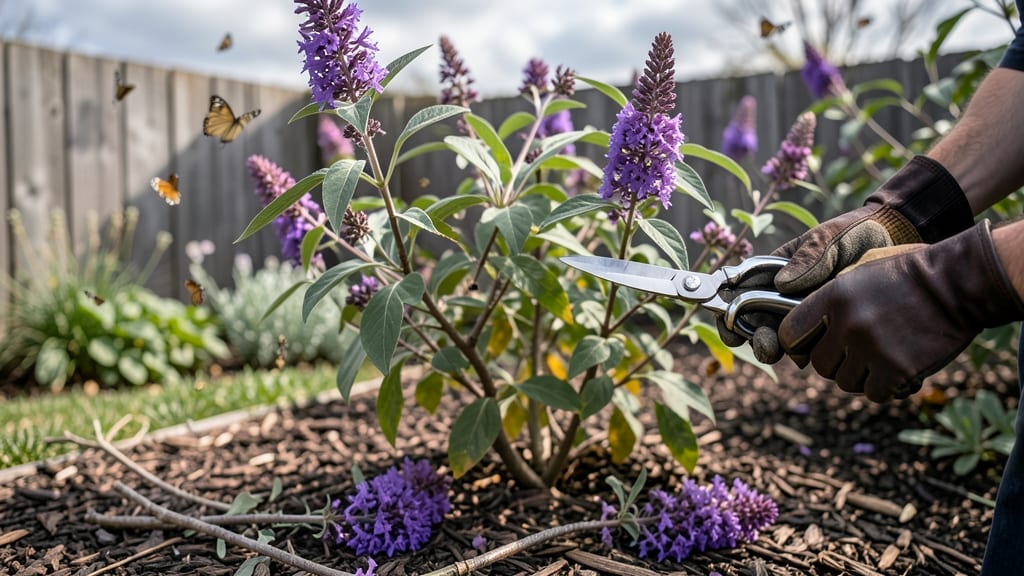
Yes, butterfly bushes need to be pruned annually to maintain health, encourage blooms, and control size. Prune in early spring before new growth begins, cutting back 1/3 of the oldest stems to the ground for optimal regrowth and flowering.
Pruning butterfly bushes isn't just about keeping them tidy—it's essential for their vitality. 🌿 When you remove those old stems, you're actually signaling the plant to focus its energy on producing fresh, vibrant blooms. This practice also prevents overcrowding, which can lead to disease or weak growth.
I’ve seen firsthand how a well-pruned butterfly bush can transform from a scraggly mess to a lush, flowering powerhouse within a single season.
Timing matters most: pruning too late in spring risks cutting back new growth, while waiting until summer can stress the plant. The key is to act before the buds swell, giving your butterfly bush the best chance to bounce back strong.
For best results, I recommend using sharp pruners and sterilizing them between cuts to prevent spreading any potential infections.
💡 In This Article
- Why Pruning Butterfly Bushes Boosts Flowering and Health
- Step-by-Step Guide to Pruning Butterfly Bushes Correctly
Why pruning butterfly bushes boosts flowering and health
Pruning butterfly bushes isn't just about aesthetics—it's a biological reset that triggers new growth. When you cut back one-third of the oldest stems to the ground, you're removing last year's wood that's no longer producing energy. This stimulates the plant's dormant buds to wake up and grow fresh, vigorous stems.
The plant interprets this as a signal to redirect its stored energy toward new shoots rather than maintaining old, less productive growth. 🌸 This process is similar to how humans regenerate after a workout, where the body repairs and strengthens itself.
The timing of pruning is critical because it aligns with the plant's natural growth cycle. Early spring, just as the buds begin to swell but before new leaves emerge, is ideal because the plant has enough stored energy from the previous season to recover quickly.
If you prune too late, you risk cutting back new growth that's already started, which can reduce flowering potential. The 1/3 rule ensures you're not over-pruning, which could stress the plant, while still removing enough old wood to encourage renewal.
Pruning also plays a key role in preventing disease. Butterfly bushes left unpruned can develop dense, tangled growth that traps moisture and debris, creating a breeding ground for fungal infections like powdery mildew.
By opening up the plant and improving air circulation, you reduce humidity levels around the foliage, making it harder for pathogens to take hold. This is especially important in humid climates where fungal diseases thrive. 🌧️ The result? A healthier plant that's more resilient to pests and environmental stressors.
Another often-overlooked benefit is how pruning affects flowering. Butterfly bushes bloom on new wood, meaning the flowers emerge from the current season's growth rather than last year's stems. By pruning annually, you're essentially "resetting" the plant to produce fresh blooms each year.
Without pruning, the plant may put its energy into maintaining old stems, leading to fewer and weaker flowers. In my experience, a well-pruned butterfly bush can produce 25-30% more blooms compared to one that's neglected.
Consider the plant's age and maturity level when deciding how aggressively to prune. Younger plants (under 3 years old) benefit from lighter pruning—just removing any dead or crossing branches—while mature plants can handle the full 1/3 reduction.
Over time, this practice keeps the bush compact and prevents it from becoming leggy or top-heavy. The goal is to maintain a balanced shape that allows sunlight to reach all parts of the plant, ensuring even growth and flowering.
Finally, pruning encourages the development of stronger, thicker stems. When you remove old wood, the plant's energy is funneled into producing new, sturdy branches that can better support the weight of flowers and foliage. This is particularly important in windy areas where weak stems can break under pressure.
The result is a bush that not only looks better but also stands up to the elements with greater resilience. 🌿