
Pruning
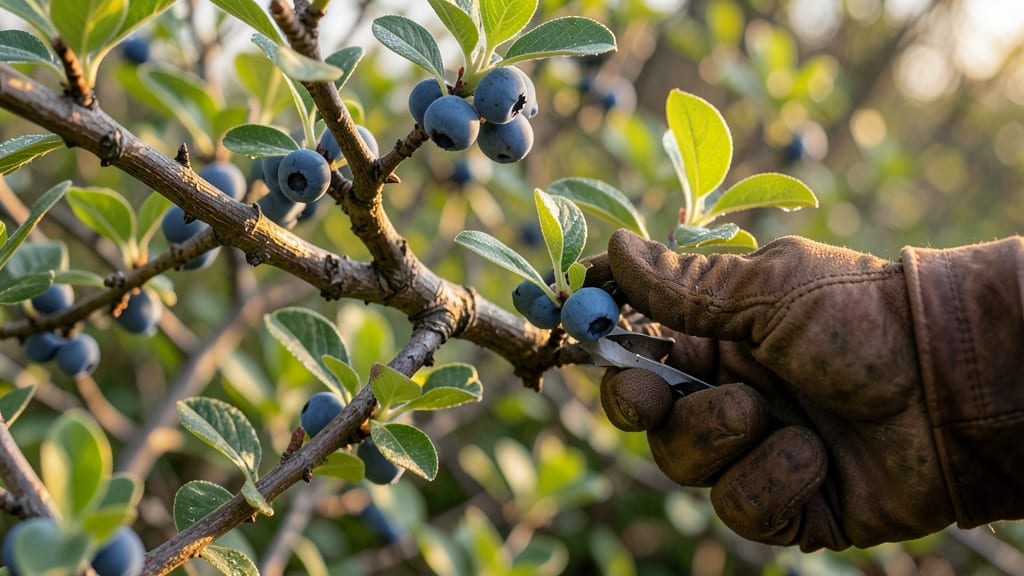
Georgia's humid climate demands precise timing for blueberry bush pruning to maximize yields. These 10 pruning strategies—aligned with Georgia's growing seasons—ensure healthier bushes, larger harvests, and fewer pests.
Late Winter Dormant Season Pruning
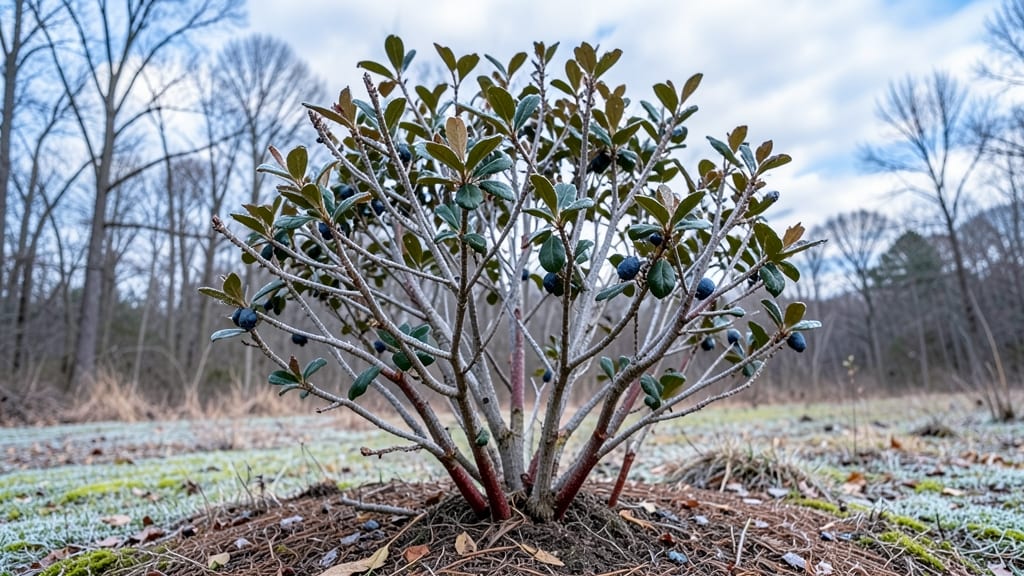
Southern Georgia’s mild winters create the perfect window for late winter dormant season pruning—a critical step that sets the stage for a bountiful blueberry harvest. Unlike harsh northern climates, your bushes stay dormant but remain active enough to heal cleanly when pruned in January or February, just as buds begin to swell.
Focus on removing dead, diseased, or crossing branches first—these compete for energy and invite pests. Next, shape the bush by cutting back last year’s fruited wood to 6-12 inches from the base, leaving only healthy, outward-facing branches. Sterilize your pruners with rubbing alcohol between cuts to prevent spreading fungal spores, a common issue in Georgia’s damp air.
This early pruning boosts airflow and sunlight penetration, which is especially valuable for Southern highbush varieties like ‘Emerald’ or ‘Climax’ that thrive in Georgia’s heat. It’s the perfect time for beginners to practice precision without rushing—just don’t prune too late, or you’ll risk encouraging new growth that could frost damage. 💚
Early Spring Canopy Thinning
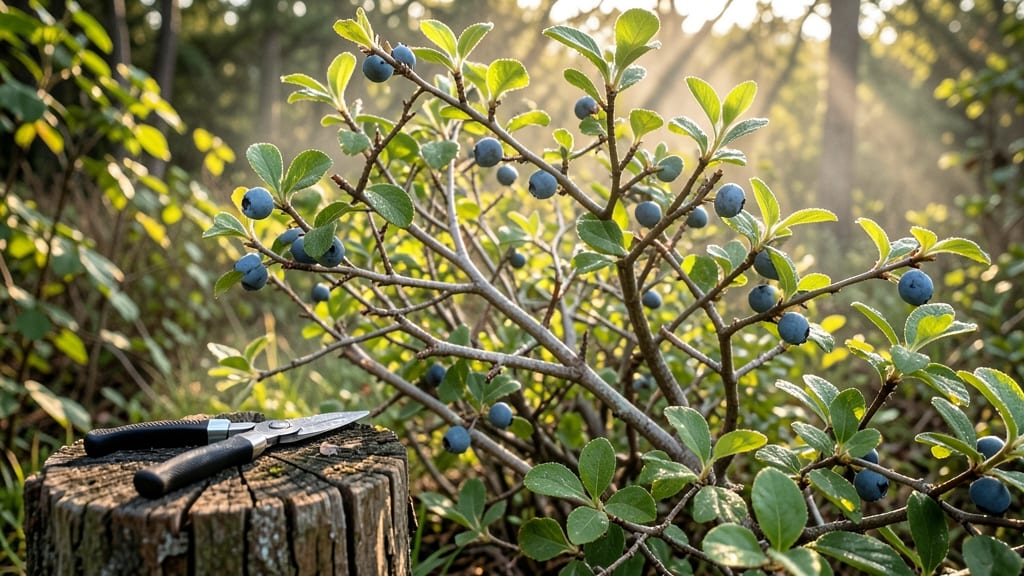
Georgia’s sticky spring air isn’t just uncomfortable—it’s a fungal disease magnet for blueberry bushes. Early spring canopy thinning in March is your secret weapon to outsmart mold and mildew by boosting airflow before buds burst open. This isn’t about heavy pruning; it’s about strategic cuts to let sunlight and breeze reach the center of your bushes.
Look for branches that crowd the center or grow inward—these are your targets. Use sharp pruners to make clean cuts just above outward-facing buds, focusing on 30-40% of the thickest growth. The goal is to create a more open structure that dries faster after rain, reducing the damp conditions fungi love. Time it right: March is perfect because buds are swollen but haven’t yet opened, so you’re not risking flower loss.
This technique is especially valuable for Georgia gardeners dealing with high humidity and compact planting beds. By improving airflow now, you’ll set your bushes up for stronger growth and fewer disease battles later in the season. 🌱
Post-Harvest Summer Pruning
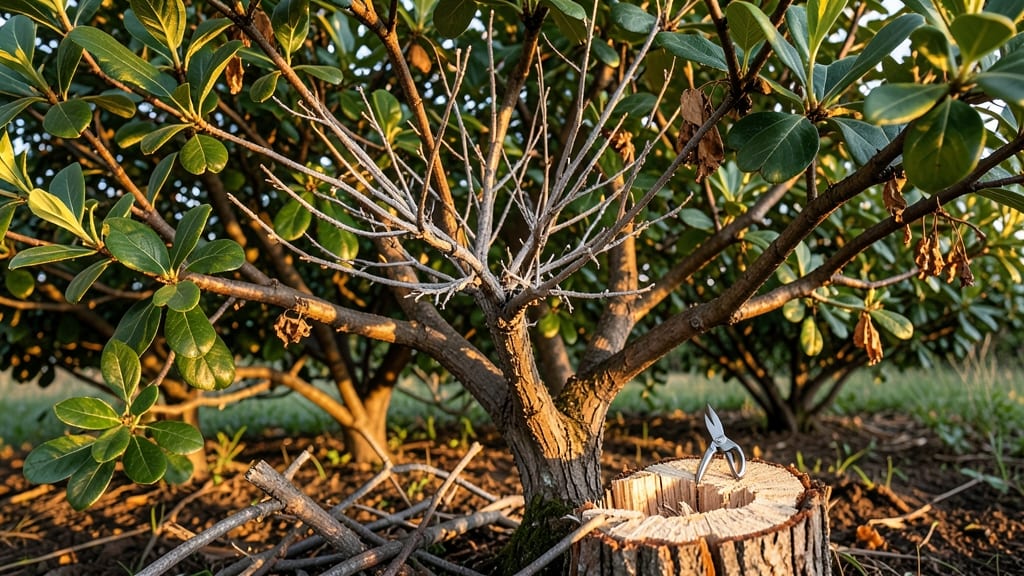
After your June blueberry harvest, don’t just step back—this is the perfect time to prune out last year’s fruited wood. Removing these branches redirects your bush’s energy toward producing stronger, more productive canes for next season’s harvest, which is especially critical in Georgia’s long growing season.
Focus on cutting back branches that bore fruit this year, making clean cuts just above outward-facing buds. This summer pruning also improves airflow, reducing the risk of fungal diseases that thrive in Georgia’s humidity. Time it right—after harvest but before late summer heat stress sets in—for optimal regrowth.
This step is a game-changer for home gardeners and small-scale growers aiming for consistent yields year after year. 🌻
Fall Disease Prevention Pruning
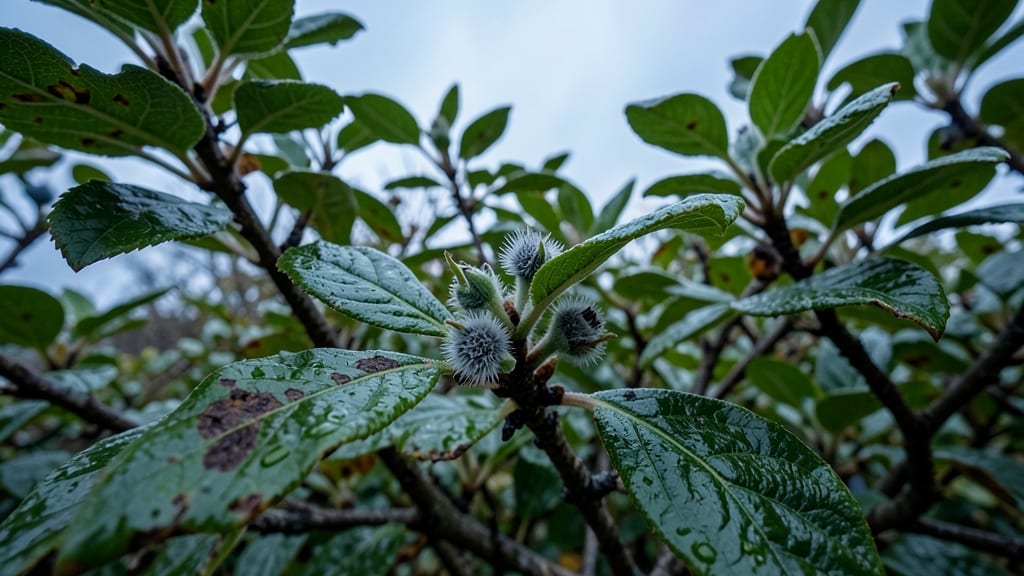
Georgia’s damp autumn climate turns October into a critical month for blueberry bushes—fungal spores like botrytis and anthracnose thrive in the lingering moisture. By targeting infected branches now, you break the disease cycle before winter sets in, giving your bushes a healthier start next spring.
Focus on removing any branches with blackened cankers, discolored leaves, or excessive mold. Use sterilized pruners (rubbing alcohol or bleach solution) to avoid spreading spores, and dispose of infected material in the trash—not compost. Aim to prune in the morning when humidity is lower, and avoid heavy pruning that could stress the plant before dormancy.
This targeted approach is especially valuable for home gardeners in Georgia’s coastal regions, where humidity lingers longer. A little October effort now means fewer fungal battles—and more berries—next season. 💚
Renovating Overgrown Bushes
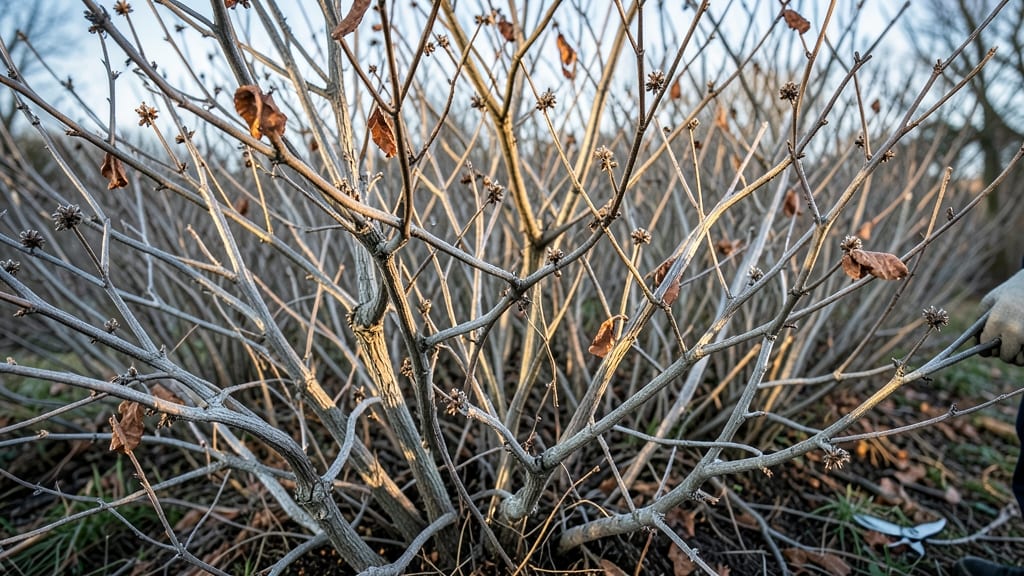
Is your once-thriving blueberry bush now a tangled mess of old wood and sparse growth? A drastic January pruning can transform it into a productive plant again—no matter how overgrown it seems. This isn’t just trimming; it’s a full revival technique that works best in Georgia’s mild winter months when bushes are dormant but still resilient.
Cut all stems back to 12 inches from the ground, removing up to 90% of the plant if needed. This shock treatment forces new, vigorous growth from the base while eliminating decades of accumulated dead wood. Use sterilized pruners to avoid disease spread, and dispose of larger branches outside your yard. Most bushes show visible new shoots within 4-6 weeks, with full recovery by next season.
This method is ideal for older plantings that have outgrown their space or been neglected, giving them a second chance at productivity. Perfect for home gardeners with established bushes that need a reset—just be patient, as it may take a year or two to reach full harvest potential again. 💪
Flower Cluster Pruning
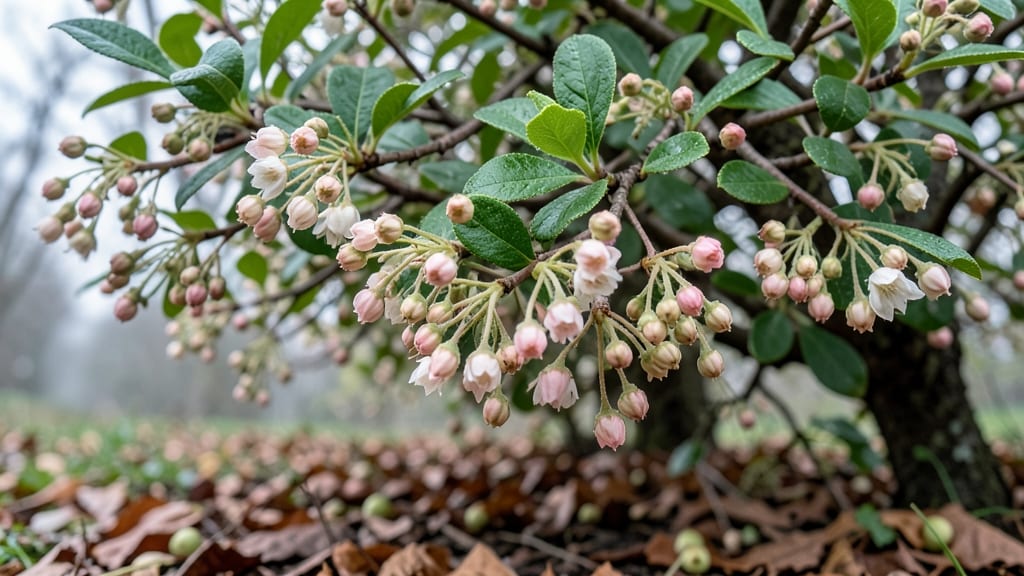
Georgia's high-yield blueberry varieties sometimes produce so many flowers they overwhelm the plant, leading to small, underdeveloped berries. A simple February flower cluster pruning can transform this overproduction into a balanced harvest of plump, flavorful berries.
Focus on removing one-third of the oldest flower clusters—those closest to the ground—while leaving younger clusters higher up. This technique forces the plant to concentrate energy on fewer, larger berries rather than a sea of tiny ones. Use sharp pruners to make clean cuts just above the flower bud, and avoid removing more than 30% of the blossoms to prevent stunting new growth.
This method is especially valuable for commercial growers and home gardeners with Southern highbush varieties like 'Peach' or 'Climax,' which naturally produce abundant blooms. By February, you'll be setting the stage for a bumper crop of premium-quality berries. 🌟
Root Competition Management
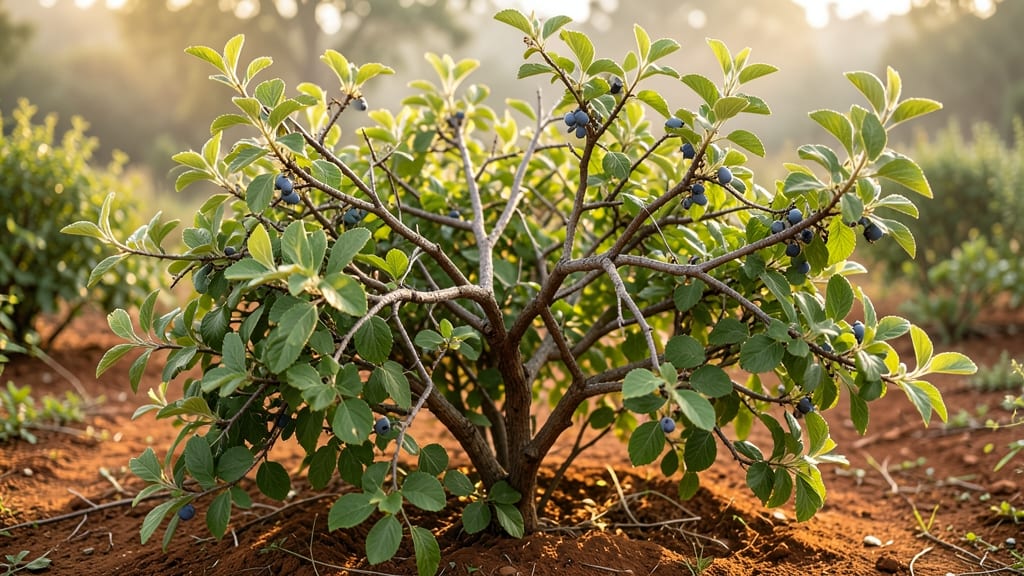
If your blueberry bushes seem to be growing more wild than productive, root competition might be the culprit. Georgia’s warm climate accelerates side shoot growth, draining energy from your main branches and reducing fruit production. March is the perfect time to intervene—before the plant diverts resources to unnecessary stems.
Look for vigorous but non-fruiting shoots emerging from the base or along the main stems. Use sharp pruners to cut these back to their origin point, redirecting the plant’s energy to your primary branches. This technique works best on Southern highbush varieties, which thrive in Georgia’s heat but can become overzealous with growth. Aim to remove no more than 25% of the plant’s total stems to avoid stressing the roots.
This method is especially valuable for young bushes or those planted in fertile soil, where competition for dominance is fierce. By focusing energy on your main structure, you’ll encourage stronger fruit production and a more manageable bush. 🌱
Storm Damage Restoration
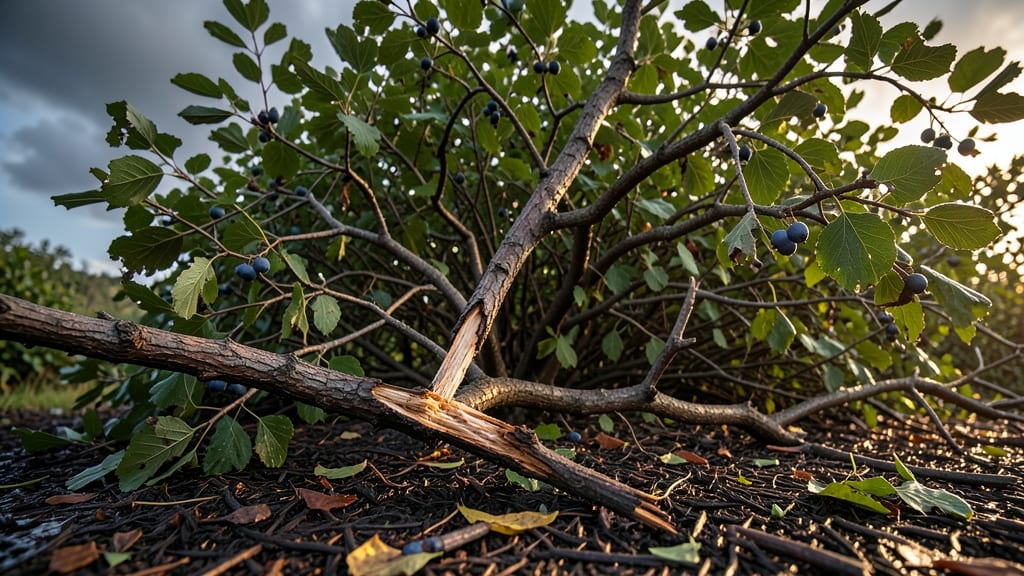
When summer storms leave your blueberry bushes with broken branches, acting quickly prevents further damage and disease. Georgia's coastal regions face frequent hurricanes, so emergency pruning isn't optional—it's survival for your bushes.
Start by removing any branches that are completely severed or hanging by threads, cutting back to the nearest healthy bud or branch collar. For partially damaged branches, trim only the broken sections—never leave jagged edges that invite pests. Sterilize your pruners with rubbing alcohol between cuts to prevent spreading fungal spores in the humid air.
This isn't just about aesthetics—storm-pruned bushes recover faster and produce better next season. Coastal gardeners will appreciate how this technique saves both plants and harvests during hurricane season. 💪
Winter Pest Control Pruning
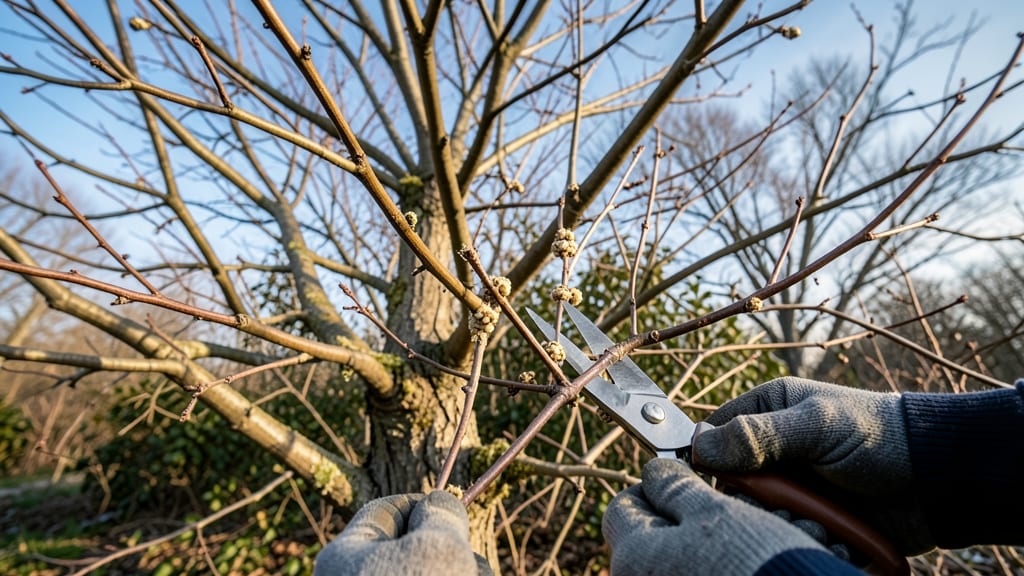
December isn’t just for holiday decor—it’s the perfect time to tackle winter pest control pruning on your blueberry bushes. Georgia’s mild winters create ideal conditions for scale insects and other pests to hide in branches, waiting to wreak havoc when spring arrives.
Focus on removing any branches showing signs of infestation—look for sticky residue (honeydew), tiny bumps, or discolored leaves. Prune these branches at least 6 inches below the damage to ensure you eliminate the pests entirely. Dispose of the clippings in sealed bags, not your compost, to prevent reinfestation. This proactive step keeps your bushes healthy and reduces springtime pest outbreaks.
This method is especially valuable for Georgia gardeners dealing with humid climates and persistent pests. A little December effort now means fewer headaches—and more berries—come harvest season! 🌱
Harvest Timing Adjustment Pruning

Want to sell your blueberries at peak prices in Georgia? A light pruning in April can delay your harvest until late May—when market prices typically reach their highest. This simple adjustment lets you time your harvest with demand rather than rushing to pick berries early.
Focus on removing only the outermost branches that are overcrowding the bush, being careful not to cut into next year's fruit buds. This minimal pruning approach encourages new growth while keeping your harvest cycle aligned with market trends. Georgia's late spring weather often means berries ripen later than expected, making this timing strategy especially valuable.
This technique works best for commercial growers and home gardeners selling at farmers' markets. By delaying harvest, you avoid competing with early-season producers and maximize your profits per pound. 🌟