
Pruning
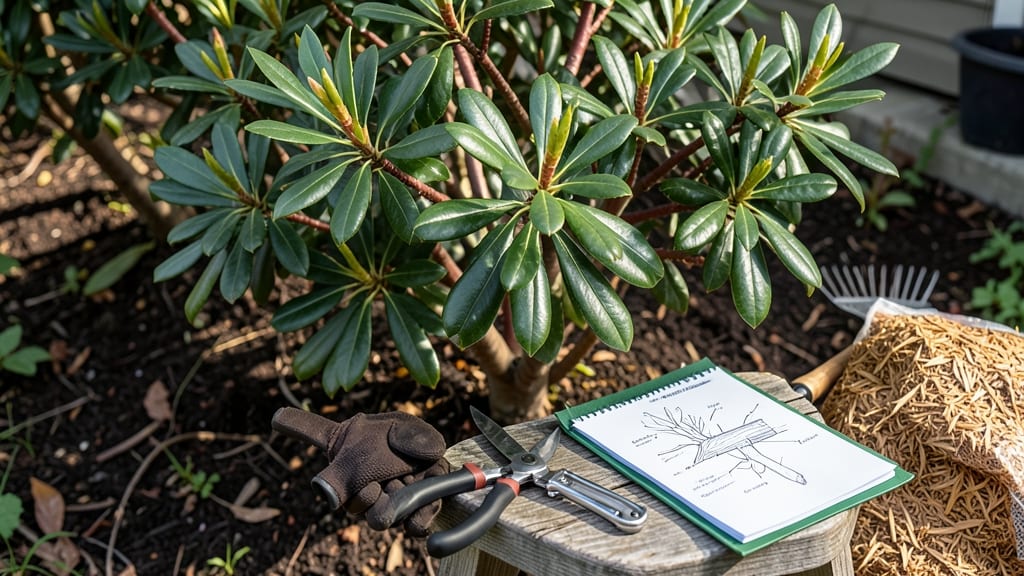
To prune azaleas that bloom twice a year, time it precisely after each flowering cycle—spring for the first bloom and late summer for the second.
If your 🌸 azaleas put on a double show but you’re unsure when to trim without ruining those flowers, you’re not alone. Pruning too early can cut off next season’s buds, while waiting too long risks overgrown branches and missed blooms.
The key is knowing exactly when to step in—without guessing.
For General (USDA Zone 6 default) gardens, the first pruning happens 4-6 weeks after spring blooms fade, while the second cut comes right after the late-summer flowers drop. This timing keeps both displays vibrant while shaping your shrub for years to come.
Below, I’ll walk you through the exact steps, regional adjustments, and common mistakes to avoid—so you can enjoy those double blooms without the stress.
Critical pruning windows for double-blooming azaleas: spring vs fall guidelines
Double-blooming azaleas are a gardener's dream, offering two spectacular flower displays each year—but their pruning schedule requires precision. Unlike single-blooming varieties, these shrubs produce flowers on both old wood (last year's growth) and new wood (current year's growth).
Prune at the wrong time, and you risk losing one or both bloom cycles. The key is understanding when each bloom forms and timing pruning to protect flower buds.
Spring-blooming flowers develop on old wood during the previous summer and fall, while fall-blooming flowers form on new wood after the spring bloom. This dual-flowering habit means fall pruning is riskier—cutting too late can remove next year's fall buds.
Meanwhile, spring pruning must wait until after the first bloom to avoid sacrificing those early flowers. Let's break down the critical pruning windows for each season.
🌸 Visual Guide: Spring vs. Fall Pruning
For spring-blooming flowers, the window opens immediately after blooms fade—typically late May to early June. This timing ensures you remove spent blooms (deadheading) while leaving next year's fall buds intact.
If you prune too early, you risk cutting off new wood growth that will bear fall flowers. Look for 70-80% of blooms to drop before pruning.
Fall-blooming azaleas demand even more caution. Their buds form on new wood after the spring bloom, so pruning must wait until after September 15 in most regions. In USDA Zone 6 or colder, finish pruning by October 15 to avoid late-season frost damage to next year's spring buds.
Southern gardeners (Zones 7-10) have until mid-November, but never cut after first frost.
The science behind azalea blooms explains why timing matters. Spring flowers form in late summer/early fall on old wood, while fall flowers develop in early summer on new wood.
Pruning disrupts this cycle—cutting old wood removes spring blooms, while cutting new wood sacrifices fall blooms. The 30-day rule helps: wait 30 days after each bloom cycle before pruning.
Regional adjustments are critical. In northern climates (Zones 3-6), prune fall-blooming azaleas by October 1 to avoid winter dieback. Southern gardeners (Zones 7-10) can extend pruning until November 15, but monitor first frost dates closely.
Always prune on dry, overcast days to reduce stress on the plant. Use sterilized tools to prevent disease spread.
Pro tip: Mark your calendar with these dates:
- Spring pruning: June 1-15 (after first bloom)
- Fall pruning: September 15-October 15 (before buds form)
- Structural pruning: January-February (dormant season)
This schedule balances aesthetic shaping with bloom preservation, ensuring your azaleas thrive for decades.
Remember, less is more with azaleas. Never remove more than 25% of the plant's foliage in a single pruning session. Focus on removing dead wood, thinning crowded branches, and opening the center for airflow.
With precise timing, your double-blooming azaleas will reward you with two jaw-dropping displays each year.
🌿
Step-by-step pruning process: how to shape azaleas without sacrificing blooms
Pruning azaleas that bloom twice a year requires precision—cut at the wrong time, and you risk losing one (or both!) of your seasonal flower displays. The key is understanding when to deadhead spent blooms versus when to perform structural pruning to shape your shrub.
Unlike single-blooming varieties, double-blooming azaleas produce flowers on both old and new wood, so timing matters more than ever.
First, gather your tools: sharp bypass pruners for clean cuts, sterilized shears to prevent disease, and gloves to protect your hands from thorns. Always sterilize your tools with rubbing alcohol between cuts to avoid spreading fungal infections like powdery mildew.
Before you begin, identify last year's growth (old wood) versus this year's (new wood)—this distinction determines where and when you prune.
Step-by-Step Pruning Guide for Double-Blooming Azaleas
- 1 Deadhead after spring blooms (May-June): Once your spring flowers fade, snip off spent blooms down to the first set of healthy leaves. This encourages new wood growth for your fall blooms while keeping the shrub tidy.
- 2 Prune for shape in late summer (August-September): After the second bloom cycle ends, focus on structural pruning. Remove 1/3 of the oldest wood (look for woody stems without leaves) to promote air circulation and prevent disease. Thin out crossing branches and overcrowded growth to maintain an open center.
- 3 Avoid fall pruning in frost-prone zones (USDA 5-7): If you're in a cooler climate, wait until early spring (March-April) to prune. Fall pruning can stimulate new growth that won't harden off before winter, leading to frost damage. In warmer zones (8-10), late summer pruning is ideal.
One of the biggest mistakes gardeners make is pruning too aggressively in one session. Azaleas are slow to recover, and over-pruning can stress the plant, reducing next year's flower production.
Never cut into old wood (last year's stems) unless it's dead, diseased, or crossing—this is where spring blooms form! Instead, focus on shaping new growth to guide the shrub's form.
For potted azaleas, pruning principles are the same, but timing may shift slightly. Since containers dry out faster, ensure your plant is well-watered before pruning to reduce stress.
After pruning, apply a 2-inch layer of mulch around the base (but not touching the stem) to retain moisture and suppress weeds. This is especially critical in hot, dry summers when azaleas are already stressed.
Finally, resist the urge to prune right after planting. Newly planted azaleas need all their energy focused on root establishment, not new growth. Wait until the following spring to begin light shaping pruning.
With patience and precision, your azaleas will reward you with vibrant, abundant blooms twice a year—without sacrificing next season's beauty. 🌸