
Shrubs
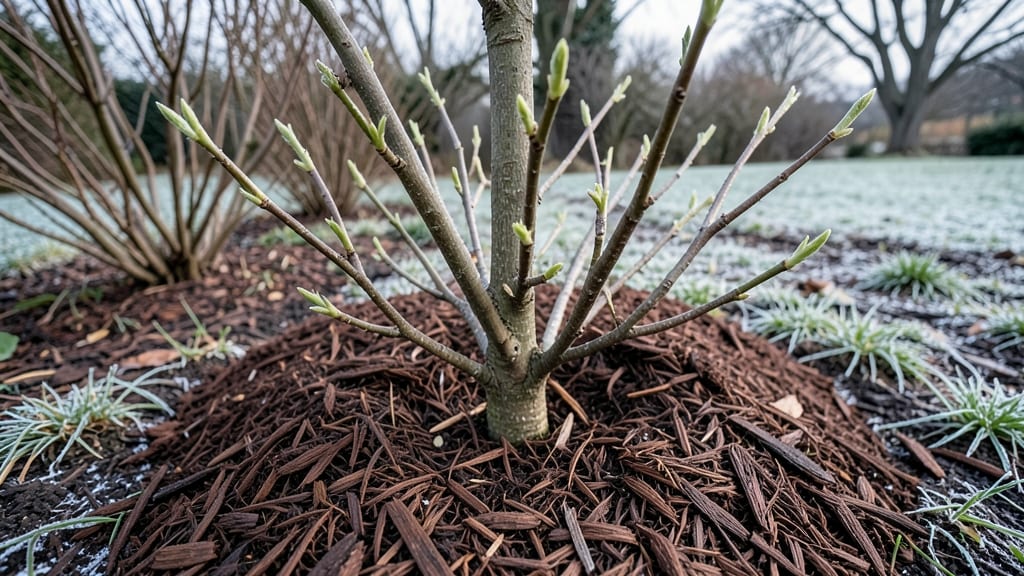
Winter pruning can invigorate your shrubs—but timing and technique are everything. Learn which shrubs thrive with winter pruning, which to avoid, and how to protect them from cold damage while encouraging spring growth.
Dormant Deciduous Shrubs Pruning Guide
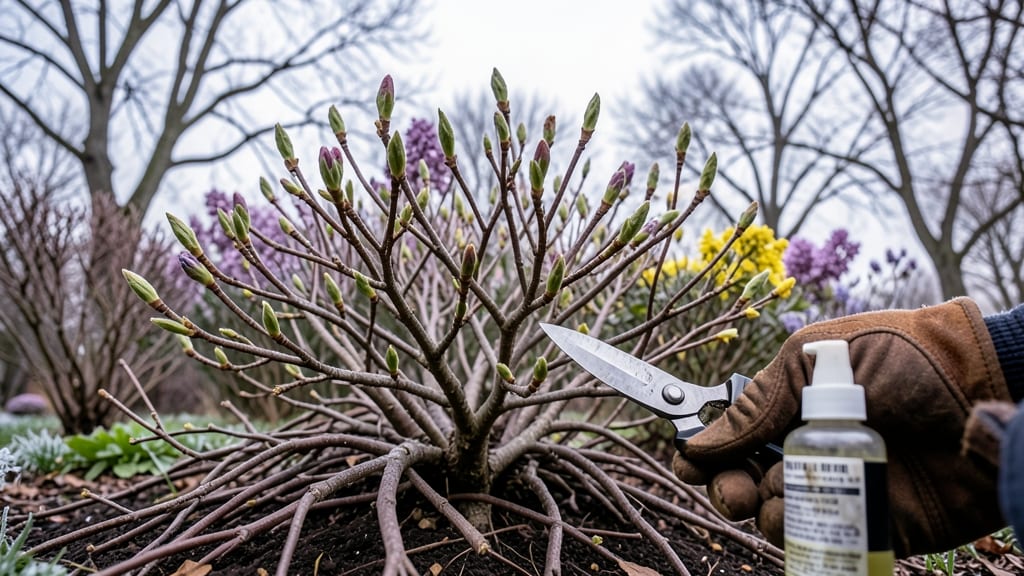
Late winter is the perfect time to refresh your dormant deciduous shrubs—when they're sleeping but ready to wake up with a clean slate. Pruning now removes last year’s dead wood, shapes growth, and prevents disease before spring buds burst. Think of it as giving your lilacs, forsythia, and hydrangeas a fresh start before the growing season.
Start by cutting back overgrown branches to open the center for better airflow, and remove any dead or crossing limbs. Use sharp, sterilized pruners to make clean cuts just above a bud or branch collar. For hydrangeas, wait until late winter to avoid cutting off next year’s blooms, while lilacs and forsythia respond well to a more aggressive shape-up now.
This method is ideal for gardeners who want to reduce spring cleanup and encourage stronger growth. With the right cuts, you’ll see fuller, healthier shrubs by summer. 🌱
Evergreen Shrubs Winter Pruning Risks
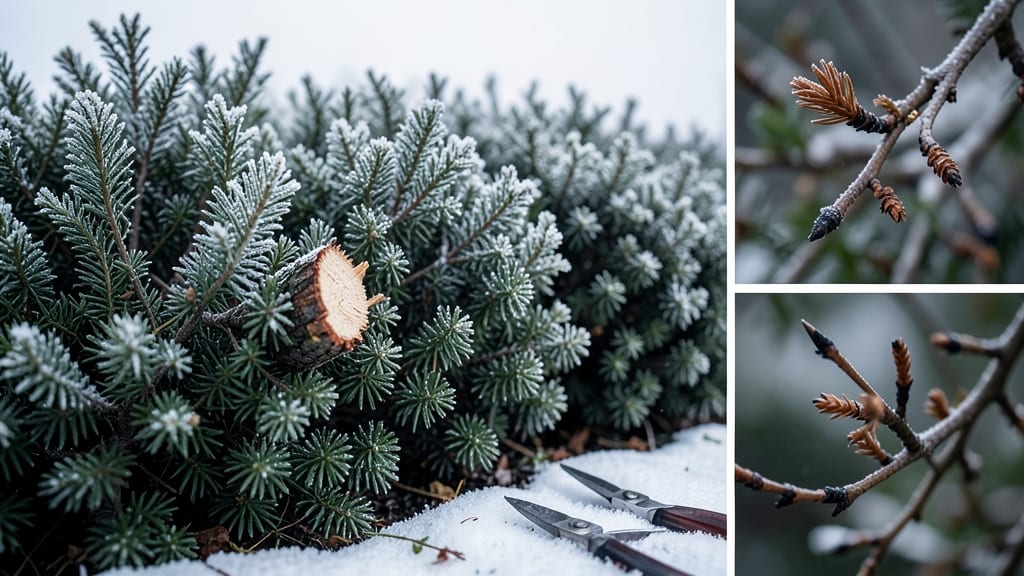
Think you’re helping your boxwoods, junipers, or yews by pruning them in winter? You might actually be causing more harm than good. These evergreens are already stressed by cold temperatures, and winter pruning can leave them vulnerable to dieback and disease.
When you cut into these shrubs during winter, you remove their protective layer of foliage, exposing tender new growth to harsh winds and freezing temperatures. Unlike dormant deciduous shrubs, evergreens don’t have the luxury of shedding leaves—they rely on their needles year-round. Waiting until early spring (after the last frost) gives them time to recover and regrow before facing the full brunt of winter again.
This is especially important for gardeners in colder climates where winters are long and harsh. By holding off, you’ll see healthier, fuller shrubs come spring—without the risk of irreversible damage. 🌿
Flowering Shrubs Pruning Timeline
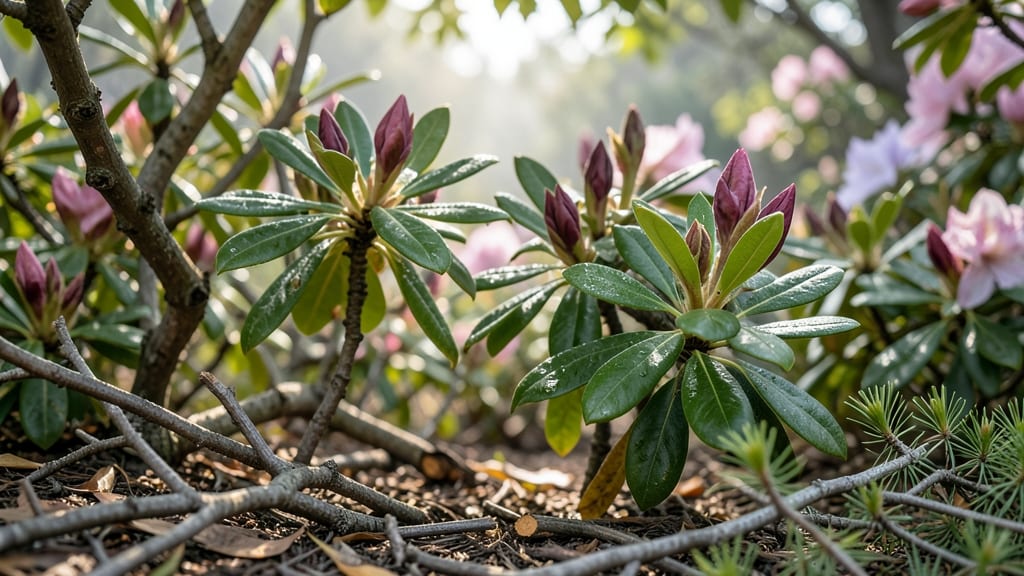
Spring-blooming shrubs like azaleas and rhododendrons demand precision timing—prune them at the wrong moment, and you’ll sacrifice next year’s flowers. Unlike other shrubs, these beauties set buds on old wood, meaning any cuts made too early will remove the blossoms-in-waiting.
Your best window is right after flowering, typically late spring to early summer. Use sharp bypass pruners to make clean cuts just above a bud or lateral branch, and avoid heavy pruning—never remove more than one-third of the plant at once. This approach ensures your shrubs stay healthy while keeping those vibrant blooms coming year after year.
This method is ideal for gardeners who love showy spring displays but struggle with timing. Just remember: patience pays off with a bush bursting with blooms next season! 🌷
Hydrangea Winter Pruning Secrets
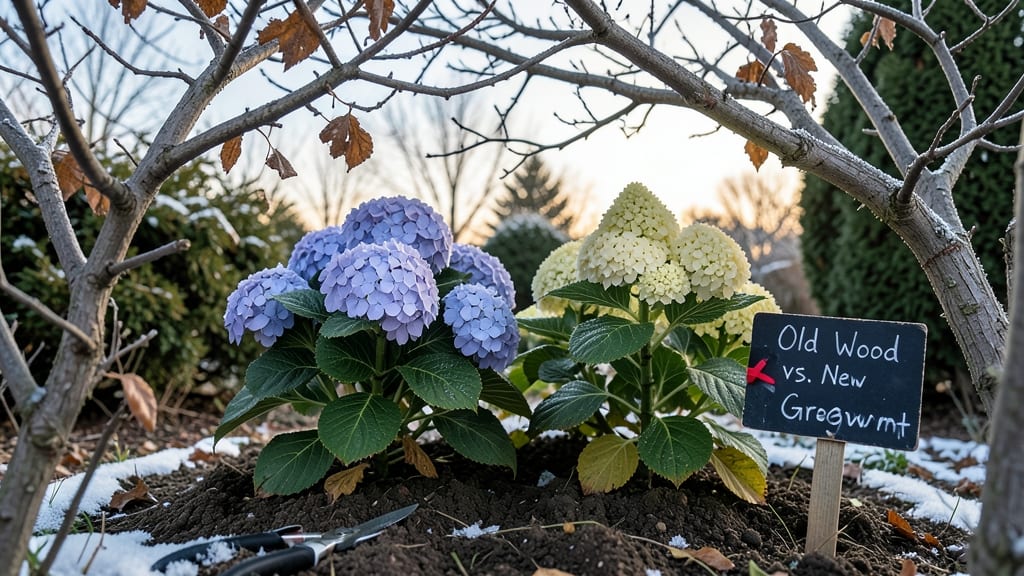
Confused about when to prune your hydrangeas? The key lies in their type—mophead hydrangeas (like 'Endless Summer') bloom on old wood, while panicle hydrangeas (like 'Limelight') rebloom on new growth. Prune the wrong type at the wrong time, and you could lose next year’s flowers!
For old wood types, wait until late winter (after the last frost but before buds swell) to prune. This removes dead stems and shapes the plant while it’s dormant. Reblooming varieties should be pruned immediately after their summer blooms fade. Always use clean, sharp shears and cut just above a leaf bud or lateral branch.
This timing ensures your hydrangeas burst into bloom without sacrificing next season’s potential. Perfect for gardeners who love dramatic, long-lasting flowers with minimal fuss. ✨
Cold-Hardy Shrubs Safe for Winter Cutting
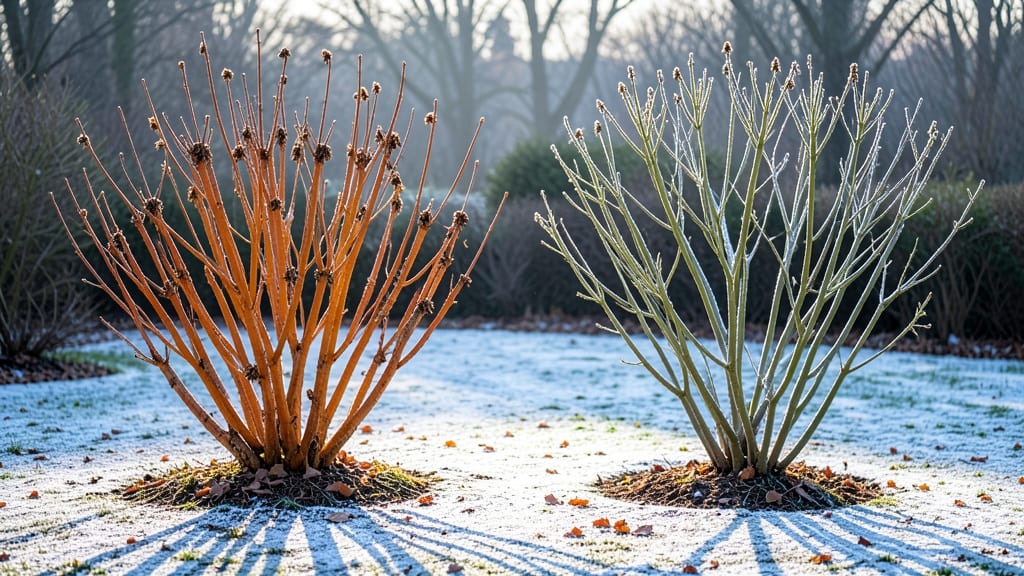
Winter pruning doesn’t have to be risky—ninebark and butterfly bush are two cold-hardy shrubs that actually thrive when reshaped during the dormant season. Unlike delicate evergreens, these tough plants handle winter cuts like a pro, making them perfect for bold garden transformations.
Both shrubs tolerate late winter pruning (February-March in most zones) without fear of dieback, as their woody stems store energy for spring regrowth. Ninebark benefits from aggressive shaping to encourage dense foliage, while butterfly bush responds well to selective thinning to improve airflow. Use clean, sharp pruners to make cuts just above outward-facing buds for optimal regrowth.
This winter-pruning duo is ideal for busy gardeners or those with urban yards where space is limited—reshaping now means less cleanup later. Just avoid pruning after new growth appears in spring! ✨
Pruning for Winter Damage Repair
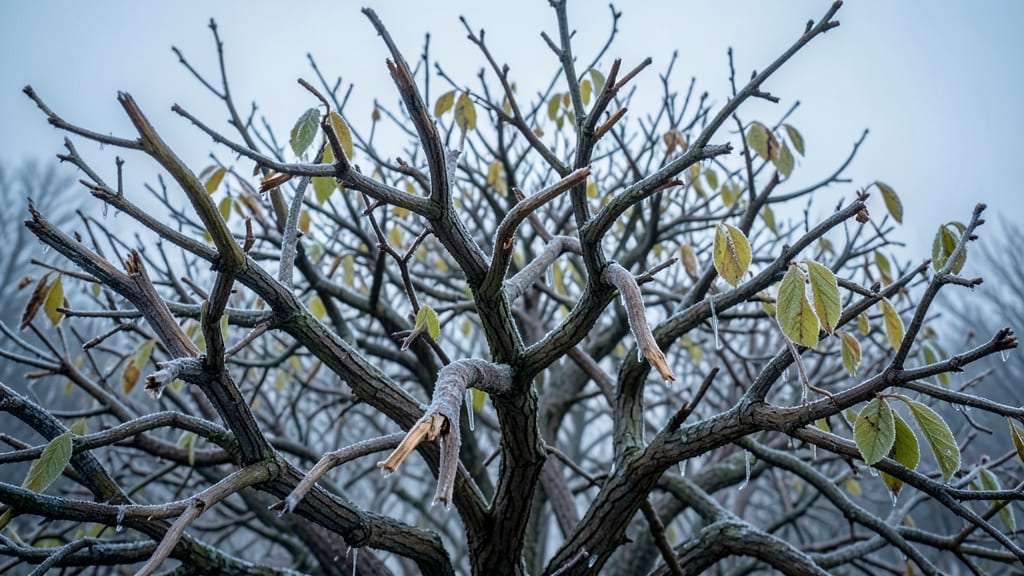
Winter storms can leave your shrubs looking like a tangled mess of broken branches and frost-bitten limbs—but don’t give up on them yet. Selective pruning in late winter is your secret weapon to revive damaged shrubs and encourage fresh, healthy growth before spring.
Start by removing only the most severely damaged branches—those that are split, completely brown, or dead. Use clean, sharp pruners to cut just outside the branch collar (the swollen area where the branch meets the trunk). For partially damaged branches, trim back to the first healthy bud or growth node to stimulate new shoots. Avoid heavy pruning—you’re not reshaping, you’re salvaging, so keep cuts minimal to reduce stress.
This method works wonders for deciduous shrubs like serviceberry, elderberry, or even fruit-bearing varieties that can bounce back from winter damage. It’s especially helpful for gardeners in Zone 5-7, where late frosts are common. Just time your cuts for late February to early March—early enough to avoid another freeze, but late enough to let the plant recover before active growth begins. 🌱
Fruit-Bearing Shrubs Winter Care
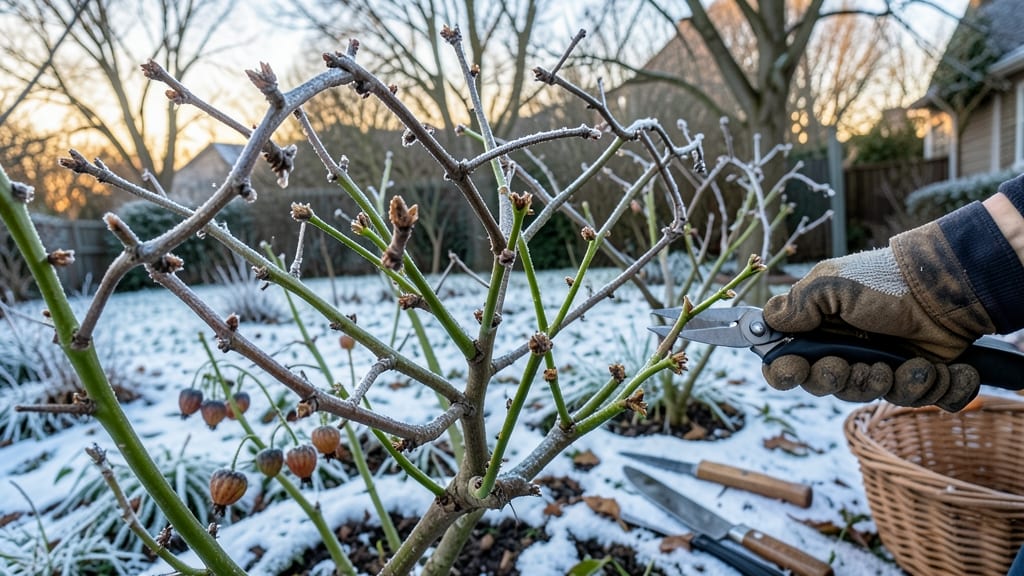
Want a bumper crop of currants, gooseberries, and elderberries next summer? Winter pruning is your secret weapon—it’s not just about tidying up, but strategically removing old canes to improve air circulation and redirect energy to new, fruitful growth.
Focus on cutting back last year’s canes to just a few inches above the ground, leaving 2-3 of the healthiest one-year-old canes to bear fruit. These shrubs produce berries on new wood, so removing old growth prevents disease buildup and encourages vigorous spring regrowth. For gooseberries, also thin out crowded branches to reduce pest pressure.
This winter care method is especially valuable for home gardeners with limited space—it maximizes fruit production while keeping shrubs compact. Just time your pruning for late winter (after the worst cold snaps) to give plants a head start. 🌱
Avoiding Winter Pruning Mistakes
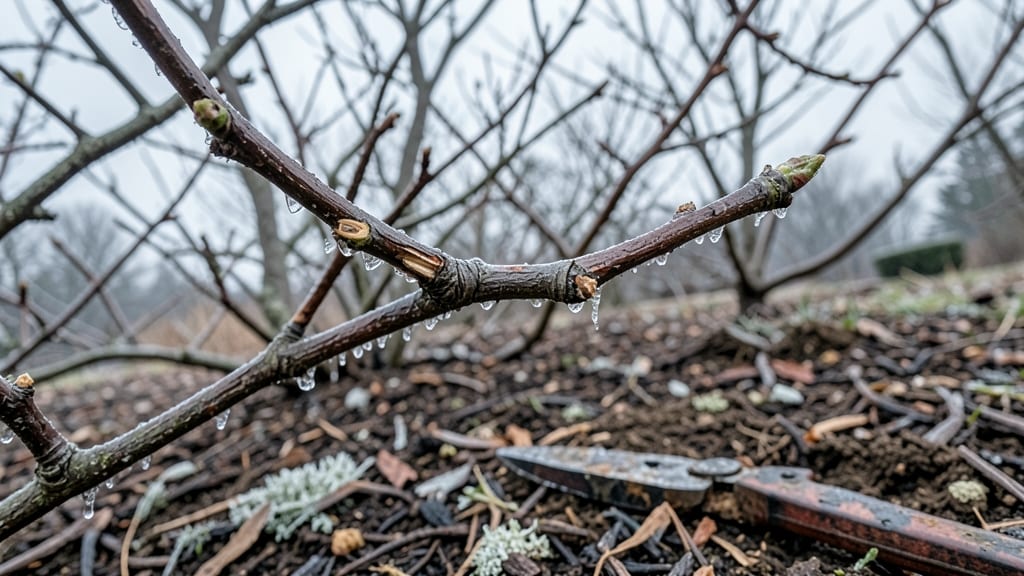
Winter pruning can feel like a gamble—one wrong cut, and you might end up with leggy growth or even dead branches by spring. The most common mistakes involve over-pruning or cutting into old wood, which can leave shrubs vulnerable to disease and slow recovery.
First, avoid removing more than one-third of the shrub’s foliage at once—this stresses plants and invites pests. Next, watch for old wood (thick, woody stems) that won’t regrow; prune only the new growth or dead branches instead. If you’ve already made a mistake, don’t panic—focus on selective pruning in early spring to encourage fresh growth.
This tip is especially helpful for beginners or gardeners with mature shrubs—small adjustments now prevent costly damage later. 💡
Regional Winter Pruning Adjustments
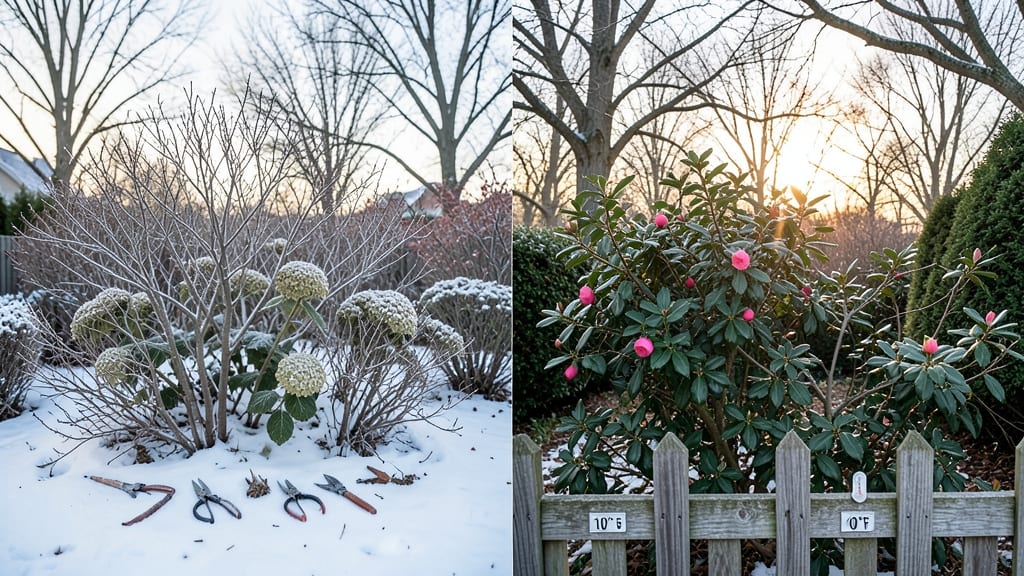
If you’ve ever wondered why your neighbor’s pruning schedule seems so different from yours, climate zones are the key. A Zone 5 gardener might wait until late February to prune, while a Zone 8 gardener could start in December—both doing the right thing for their region.
In colder zones (3-6), delay pruning until after the last hard frost (typically late winter) to avoid exposing fresh cuts to freezing temperatures. In milder zones (7-10), prune earlier (November-January) when shrubs are still dormant but before spring growth begins. For example, butterfly bush in Zone 9 can handle December pruning, while the same shrub in Zone 5 should wait until March.
This regional flexibility ensures your shrubs heal properly before spring, giving you the perfect window for shaping without stress. Adjust your schedule by checking your USDA zone map—your shrubs will thank you! 🌱
Post-Pruning Winter Shrub Protection

After winter pruning, your shrubs need extra protection from late-season freezes that can stress fresh cuts and stunt new growth. A little effort now prevents winter dieback and ensures vibrant spring regrowth.
Start by applying a 3-4 inch layer of mulch around the base of newly pruned shrubs to insulate roots and retain moisture. For tender shrubs like potentilla or weigela, wrap the canopy with burlap or frost cloth to shield against windburn and temperature swings. Water thoroughly before wrapping to prevent dehydration.
This method is especially valuable for gardeners in Zone 5-7 where late freezes are common. Protecting your shrubs now means less cleanup and more blooms next season. 💚