
Pruning
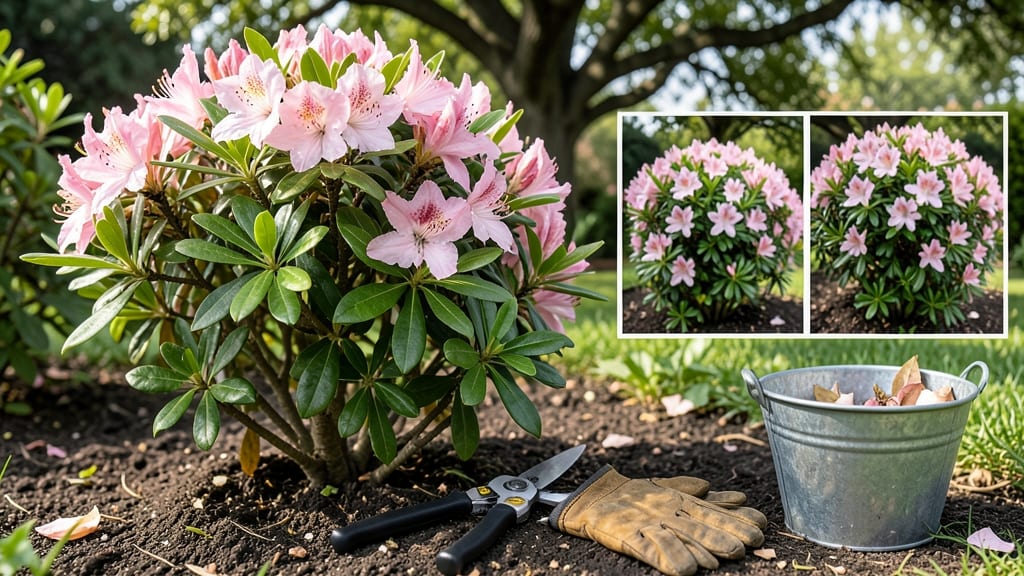
To prune azaleas in Virginia for maximum blooms, aim for late spring or early summer after the flowers fade but before new buds form.
Virginia’s azalea lovers know timing is everything—prune too early, and you risk losing next year’s stunning blooms; too late, and you disrupt the plant’s natural cycle. Mastering the perfect pruning window can double your azaleas’ beauty while keeping them thriving for decades.
Why does timing matter so much? Azaleas set flower buds on last year’s growth, so pruning at the wrong time means no 🌸 blooms next spring. In Virginia’s 6a-8a zones, late spring (May-June) is ideal, but early summer works too—just avoid fall pruning, which stresses the plant before winter.
Below, I’ll break down the exact steps, tools, and Virginia-specific tips to prune your azaleas like a pro—plus common mistakes to avoid that could ruin your shrubs for years.
Best time to prune azaleas in Virginia for maximum blooms
Virginia’s azalea blooms are legendary, but the secret to their year-after-year beauty lies in pruning at the right time. Unlike many shrubs, azaleas form next year’s flower buds on old wood—meaning you must wait until after they bloom to prune without risking next season’s showstopping display.
In Virginia’s USDA zones 6b-8a, this timing aligns perfectly with late spring to early summer, when the plant’s energy shifts from flowering to foliage growth.
Pruning too early—before blooms fade—removes flower buds already set for next year, while waiting too long disrupts the plant’s natural dormancy cycle. The key is understanding your azalea’s blooming cycle and Virginia’s climate.
Early bloomers (like ‘George L. Taber’) may need pruning by June, while late varieties (such as ‘Girard’s Pink’) can wait until July. Let’s break down the science and practical steps to get your azaleas thriving.
⚠️ CRITICAL NOTE: Never prune azaleas in fall or winter—this is when flower buds form for the following spring. Fall pruning can severely reduce next year’s blooms and expose the plant to winter dieback, especially in Virginia’s chilly, humid climate.
| Pruning Window | Action | Virginia Climate Alignment | Notes |
|---|---|---|---|
| Late Spring (After Blooms Fade) | Shape, thin, remove dead wood | Post-bloom (May-June) | Preserves next year’s buds on old wood |
| Early Summer (July) | Rejuvenate overgrown shrubs | Post-last frost (July-August) | Ideal for late bloomers like ‘Girard’s Pink’ |
| Fall/Winter (Avoid) | ❌ Do NOT prune | Bud formation period | Risk of winter dieback and lost blooms |
| Early Spring (Before Buds Swell) | Remove dead/diseased branches | Pre-bloom (March-April) | Only light cleanup allowed |
Virginia’s humid subtropical climate (especially in zones 7a-8a) means azaleas bloom earlier than in cooler northern zones. In Northern Virginia (6b), prune in late May to early June after frost risk passes.
In Southern Virginia (7a-8a), extend the window to June or early July for late bloomers. The goal is to finish pruning before August, when azaleas begin setting buds for next spring.
If you’re unsure whether your azalea has finished blooming, wait until all spent flowers drop and new leaves emerge. This confirms the plant has shifted from reproductive to vegetative growth.
For example, ‘Hino Crimson’ (a late bloomer) may still have buds in early June, while ‘Formosa’ (early bloomer) will be done by late May. Color fade is your best indicator—wait until blooms turn brown and crunchy.
One common mistake in Virginia is pruning azaleas in fall to “clean up” before winter. This is a major error because flower buds form on old wood in late summer/fall.
Cutting back now removes next year’s blooms entirely. Instead, focus on light cleanup in early spring (removing only dead or diseased branches) and save heavy pruning for post-bloom.
For overgrown azaleas needing rejuvenation, prune in early summer (June-July) but limit cuts to one-third of the plant’s height per year. Virginia’s heat and humidity can stress azaleas, so water deeply after pruning and apply a 2-3 inch layer of mulch to retain moisture.
Avoid pruning during heatwaves or droughts, as this increases stress and disease risk.
Pro tip: Use sterilized pruners to prevent bacterial leaf spot, a common issue in Virginia’s damp climate. Dip cuts in pruning sealant (optional) to reduce water loss.
If your azalea blooms sparingly or not at all, heavy pruning in summer may be needed—but spread it over 2-3 years to avoid shock.
Timing isn’t just about when you prune—it’s also about how. Focus on opening the plant’s center for airflow
Step-by-step azalea pruning guide for Virginia gardeners
Pruning your Virginia azaleas correctly ensures vibrant blooms and healthy growth. The key is timing—wait until after flowering (typically June to early July) when flower buds for next year begin forming.
This late spring/early summer window aligns perfectly with Virginia’s USDA zones 6b-8a, avoiding frost damage while promoting new growth.
Before you start, gather your tools: sharp bypass pruners for clean cuts, sterilized shears to prevent disease, and gloves to protect your hands. Virginia’s humid climate means disease prevention is critical—sterilize tools with rubbing alcohol between cuts. Always prune on a dry, overcast day to reduce stress on the plant.
When to Prune Azaleas in Virginia
- Step 1: Wait until after flowering (June–July) when flower buds for next year form.
- Step 2: Avoid pruning in fall or winter—this risks frost damage and disrupts dormancy.
- Step 3: For early bloomers (March–April), prune immediately after flowers fade.
- Step 4: For late bloomers (May–June), prune in early July to avoid cutting next year’s buds.
- Step 5: If rejuvenating an overgrown azalea, spread pruning over 2–3 years to avoid shock.
Start by removing dead, diseased, or crossing branches first. Look for brown, brittle wood or branches rubbing together—these compete for nutrients and invite pests. Next, thin out overcrowded areas to improve air circulation, which is especially important in Virginia’s damp summers.
Aim to open the center of the shrub to sunlight, encouraging healthier foliage and more abundant blooms.
For shaping, focus on gradual adjustments rather than drastic cuts. Use your pruners to angle cuts just above a leaf node (the point where leaves attach) to encourage outward growth.
Avoid topping (cutting the main stem flat)—this creates unsightly stubs and weakens the plant. Instead, prune selectively to maintain the natural shape of your azalea.
If your azalea is overgrown or leggy, consider a rejuvenation pruning approach. This involves cutting back up to one-third of the oldest wood in stages over multiple years.
Start with younger branches first, then gradually move to older wood. Always sterilize tools between cuts to prevent fungal infections like powdery mildew, which thrives in Virginia’s humidity.
After pruning, water deeply to help the plant recover, and apply a layer of mulch around the base (but not touching the stem) to retain moisture and regulate soil temperature. Monitor your azalea for new growth in the following weeks—this confirms you’ve pruned at the right time.
With proper care, your Virginia azaleas will reward you with show-stopping blooms year after year.