
Pruning
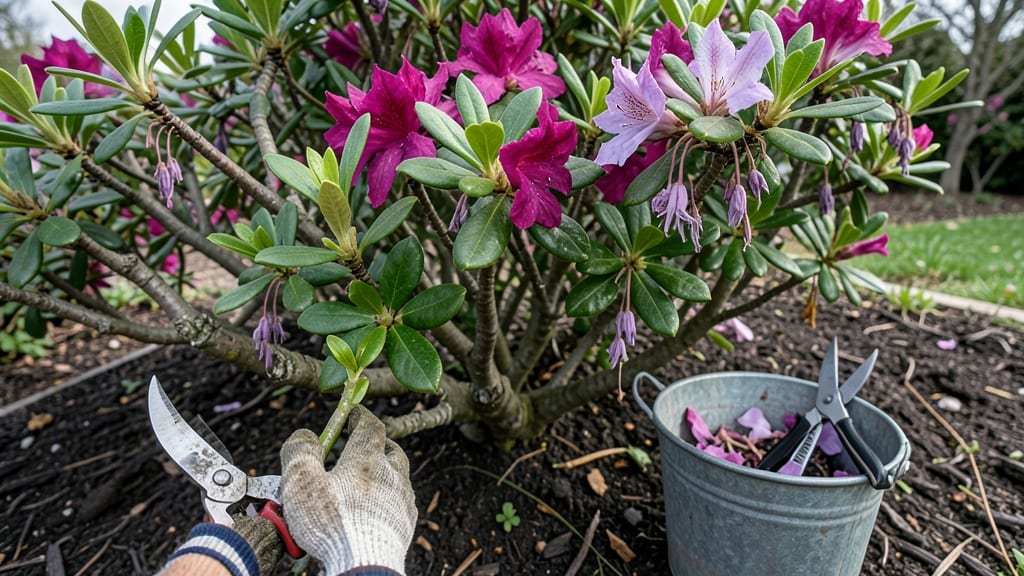
Pruning azaleas in summer isn’t just about shaping—it’s about setting up next year’s showstopping blooms while keeping your plants healthy through the heat. 🌸 The best time is right after they finish flowering, usually in late June or early July, when the stress of blooming is over but the growing season still has plenty of steam.
This isn’t the time for drastic cuts—think light trimming to open up the center and encourage airflow. Use clean, sharp pruners to avoid tearing the bark, and focus on removing only about 10-20% of the plant’s growth.
Over-pruning in summer can stress azaleas, especially in hot, dry climates, so keep it gentle. What you’ll get is a bushier, more vibrant plant by fall, with fewer dead branches and better air circulation to prevent diseases like powdery mildew. The flowers you see now?
They’re already forming on next year’s growth—so every careful cut is an investment in next spring’s display. Works for both humid Southern gardens and drier Western climates, though you may need to adjust for heat waves. Let’s get those blooms prepped!
📚 In This Guide
- What you need
- Instructions
- Tips and common mistakes
- Wrapping up and next steps
What you need
- ● Pruning shears: Bypass pruners (sharp, clean, and comfortable—8-10 inch blades for precision). Avoid anvil shears; they crush stems.
- ● Hand pruners: Small, ergonomic (for delicate branches—6-inch blades work best).
- ● Loppers: Long-handled (for thicker branches—18-24 inch reach, 2-3 inch cutting capacity).
- ● Garden gloves: Heavy-duty, cut-resistant (to protect from thorns and sap).
- ● Disinfectant: 70% isopropyl alcohol or bleach solution (1 part bleach : 9 parts water) (to sterilize tools between cuts).
- ● Sharpie or permanent marker: (for marking branches to remove—waterproof if working in humidity).
- ● Trash bags or bucket: (for collecting pruned branches—10+ gallon capacity recommended).
- ● Extension pole: (for high branches—4-6 foot reach, with adjustable head).
- ● Hose with nozzle: (to rinse tools and clean sap off branches mid-prune).
- ● Plant food: Balanced fertilizer (10-10-10 or 20-20-20) (to replenish nutrients after pruning—apply 2-3 weeks post-trimming).
- ● Mulch: Organic (pine bark or shredded leaves) (to retain moisture and protect roots—2-3 inch layer).
- ● Safety glasses: (if branches are dense or thorny—impact-resistant lenses).
Instructions for pruning azaleas in summer
Summer is the perfect time to shape your azaleas for next year's stunning blooms—just follow these precise steps.
✂️ Step 1: Time Your Pruning for Optimal Growth
Wait until right after flowering, typically in late June or early July. This gives your azalea time to set buds for next spring while still allowing summer growth to harden off before winter. If you prune too early, you risk cutting off next year's flower buds that form on old wood.
Look for spent blooms—they'll turn brown and crispy. Once 70-80% of flowers have faded, it's time to act. I always prune on a mild, overcast day to reduce stress on the plant. Avoid pruning during heatwaves or drought conditions, as the plant needs energy to recover.
✂️ Step 2: Gather the Right Tools for Clean Cuts
Use only sharp, clean pruning shears—dull blades tear stems and invite disease. Disinfect your tools with rubbing alcohol before and after use to prevent spreading fungal spores. I keep a small bottle of 70% isopropyl alcohol in my gardening caddy for quick cleanups between cuts.
For larger branches, grab bypass pruners or a pruning saw—never use hedge trimmers, as they shred stems and create uneven cuts. The goal is clean, angled cuts just above a leaf node or bud. This ensures the plant can heal properly and directs new growth where you want it.
✂️ Step 3: Remove Dead or Weak Branches First
Start by identifying and removing any dead, diseased, or crossing branches. Dead wood is easy to spot—it's brown, brittle, and doesn't bend. Diseased branches often have black spots, mold, or oozing sap. Cut these back to healthy wood at a 45-degree angle, about ¼ inch above a bud.
Next, look for branches that rub against each other or grow inward. These create wounds and block airflow, which can lead to fungal issues. Thin out crowded areas by removing 1 in 3 branches to improve sunlight penetration. You'll see the plant's natural shape emerge as you work—azaleas respond beautifully to thoughtful thinning.
✂️ Step 4: Shape the Azalea for Balance and Airflow
Step back and assess the plant's overall shape. Azaleas bloom best when they have good airflow, so avoid heavy pruning that creates dense centers. For rounded shrubs, remove branches that grow straight up—these rarely flower well and make the plant top-heavy. Cut just above an outward-facing bud to encourage fuller growth.
For a more natural look, prune to create a tapered shape, with the widest part at the base narrowing toward the top. This mimics the plant's natural growth pattern and helps water run off efficiently. Never remove more than ⅓ of the plant's foliage in one season—this stresses the azalea and can reduce flowering.
💧 Step 5: Clean Up and Care for Your Azalea
After pruning, rake up all clippings and dispose of them in the trash—never compost diseased branches. Water the azalea deeply right after pruning to help it recover. I like to add a balanced, slow-release fertilizer at this time to support new growth. Avoid heavy nitrogen fertilizers, which encourage leafy growth at the expense of flowers.
Monitor your azalea in the weeks following pruning. If you see new growth emerging from the base, you've pruned correctly. If the plant looks stressed—leaves yellowing or wilting—reduce watering slightly and provide afternoon shade for a few days. With proper care, your azalea will reward you with even more vibrant blooms next spring.
Tips & tricks for pruning azaleas in summer
Real talk: I've seen too many azaleas end up looking like sad, overpruned shrubs after summer trims. Here's what nobody tells you about getting it right the first time.
Timing is Everything: The instructions mention waiting until 70-80% of blooms have faded, but here's the secret: Watch for the first signs of new growth at the base of the plant. This typically happens about 2-3 weeks after peak flowering. Pruning too early cuts off next year's flower buds, while waiting too long risks removing too much foliage. I always mark my calendar when the first flowers open, then count backward 8 weeks—this gives me the perfect window.
Tool Prep Makes All the Difference: You can't overstate how important sharp tools are—dull pruners create jagged cuts that invite disease. Before you start, sharpen your blades with a file or replace them if they're nicked. I keep a small whetstone in my gardening toolbox for quick touch-ups. Also, wipe down tools with rubbing alcohol between cuts on different plants to prevent cross-contamination of fungal spores.
The 45-Degree Angle Secret: When making cuts, that 45-degree angle above a bud isn't just about looks—it's about directing water runoff away from the cut. This simple technique prevents water from pooling and rotting the wound. I use a small protractor on my pruning shears to ensure perfect angles every time. For thicker branches, make the cut slightly farther from the bud to prevent the new growth from getting waterlogged.
Stress Reduction Strategies: After pruning, azaleas need time to recover, especially if you've removed more than 1/3 of the foliage. I've found that applying a thin layer of mulch around the base (but not touching the trunk) helps retain moisture and regulate soil temperature. Also, avoid fertilizing immediately after pruning—wait at least 4-6 weeks to give the plant time to heal before encouraging new growth.
Pro Tips for Pruning Azaleas In Summer
- Real talk: I've seen too many azaleas end up looking like sad, overpruned shrubs after summer trims.
- Timing is Everything: The instructions mention waiting until 70-80% of blooms have faded, but here's the secret: Watch for the first signs of new growth at the base of the plant.
- Tool Prep Makes All the Difference: You can't overstate how important sharp tools are—dull pruners create jagged cuts that invite disease.
Frequently asked questions
Got questions about summer pruning for azaleas?
You’re not alone! Here are the most common concerns—and expert answers to keep your shrubs thriving.
Why prune azaleas in summer instead of winter?
Summer pruning (after blooming) removes spent flowers and encourages new growth for next year’s vibrant blooms. Winter pruning risks cutting off next season’s buds, which form in late summer/fall. Plus, summer trims help shape the plant and improve airflow, reducing pests and diseases.
How late in summer can I prune azaleas?
Prune up to 6–8 weeks before your first frost—typically mid-to-late summer. Avoid heavy cuts after early August in most climates, as new growth may not harden off before winter. Light shaping (deadheading or minor trims) can continue until fall, but stop by September for safety.
What if I missed summer pruning? Can I still trim in fall?
Yes! Light pruning in early fall (before October) is better than none—focus on removing dead or crossing branches. Avoid heavy cuts, as azaleas need time to prepare for winter. If you wait until spring, prune just after blooming to protect next year’s flowers.
Will summer pruning kill my azalea if it’s too hot?
Prune on cool, cloudy days (early morning or late afternoon) to avoid stress. If temperatures exceed 90°F (32°C), wait until late summer or early fall. Over-pruning or trimming during heatwaves can shock the plant—stick to 1/3 of the plant’s growth max per session.
My azalea leaves turned yellow after pruning. Did I do it wrong?
Yellowing leaves are often normal post-pruning (the plant redirects energy). However, if it’s widespread, check for overwatering, nutrient deficiency (like iron), or pests. Ensure you’re using sterilized tools to prevent disease spread. If the issue persists, adjust care (e.g., acidic soil, mulch) and monitor for 4–6 weeks.
Wrapping up and next steps
Pruning azaleas in summer isn’t just about shaping your shrubs—it’s about setting the stage for stunning fall blooms! By following the right techniques, you’ll encourage healthier growth, prevent overcrowding, and keep your azaleas thriving for years to come. 🌿✨
Ready to give your azaleas the care they deserve? Grab your pruners, mark your calendar, and start trimming—your future blooms will thank you! For even more gardening tips, explore our guide to seasonal plant care or join a local gardening community to share your progress.