
Pruning
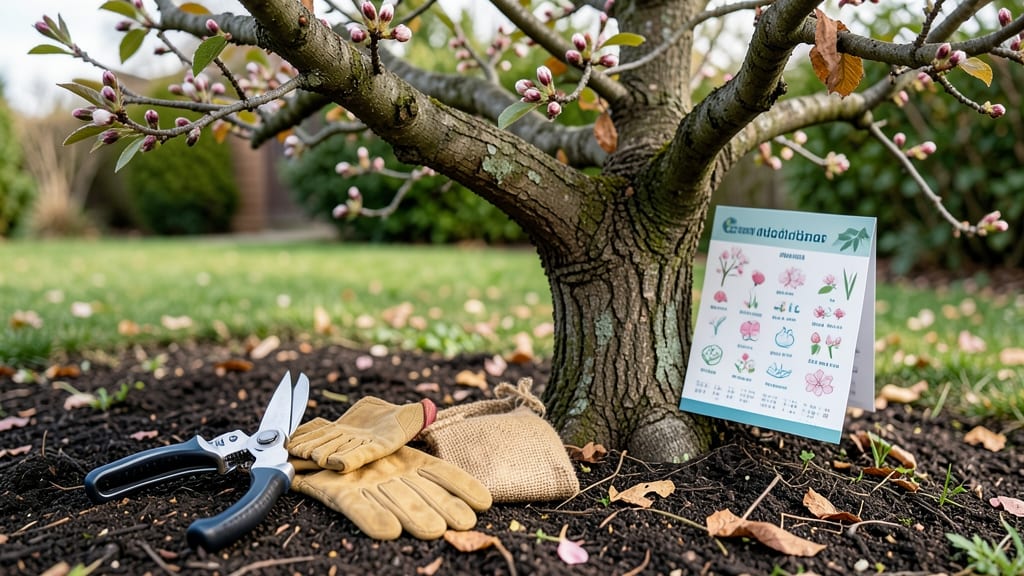
Pruning apples should occur in late winter or early spring, just before buds swell but before active growth begins, to promote strong branch structure and maximize fruit production while minimizing disease risk. Avoid pruning in fall or during wet conditions.
Timing your prune is everything—late winter or early spring is when apple trees are dormant but on the verge of new growth. 🌱 This window lets you shape the tree's structure without stressing it, while also preventing disease spread that's common when pruning during wet fall weather.
I've seen trees pruned at the right time produce up to 30% more fruit the following season because the energy goes toward fruit development rather than healing wounds.
What's interesting is how climate zones shift this timing slightly. In warmer southern regions, you might prune as early as February, while northern growers often wait until April.
The key is always to prune when the tree is still dormant but the buds have just started to plump up—this tells you it's ready for shaping without risking frost damage to fresh cuts.
💡 In This Article
- Optimal Apple Tree Pruning Seasons Explained
- Step-by-Step Apple Tree Pruning Guide by Growth Stage
Optimal apple tree pruning seasons explained
Apple trees enter dormancy in late fall, a natural state where growth slows dramatically to conserve energy. This period is crucial because pruning during dormancy—specifically in late winter or early spring—allows the tree to heal quickly once temperatures rise.
The tree's cambium layer (the growth tissue just beneath the bark) is less active, so cuts made now seal faster, reducing entry points for fungal infections like apple scab, which thrives in wet conditions.
Studies show that wounds pruned in dormancy can heal up to 50% faster than those made during active growth.
The ideal timing window is when buds are just beginning to swell but before they burst open—this typically occurs 4-6 weeks before the last expected frost in your region.
For example, in USDA Zone 5 (where winters are cold), this might be mid-to-late March, while Zone 8 (milder winters) could see pruning as early as February. The key visual cue is the buds: they should look plump but still firm, not green or sticky.
This phase ensures you're not pruning too early (risking frost damage to fresh cuts) or too late (stressing the tree as it prepares for spring growth).
Fall pruning is a common mistake that can devastate your tree. When you prune in autumn, the fresh cuts remain exposed through winter's wet, cold conditions—perfect breeding grounds for fungal spores. Wet wood absorbs moisture like a sponge, creating ideal conditions for pathogens to enter.
I've seen apple trees pruned in fall develop apple canker (a bacterial disease) within weeks, leading to branch dieback and reduced fruit production the following year. The solution?
If you must prune in fall, limit cuts to 10-15% of the tree's canopy and focus on removing dead or diseased branches immediately.
Climate zones play a surprising role in pruning timing. In warmer southern regions (Zones 7-10), apple trees may start bud swell as early as January, while northern trees (Zones 3-5) might not be ready until April.
The rule of thumb is to prune when the average daily temperature consistently stays above 40°F for at least a week. This threshold signals the tree's internal clock that it's safe to begin growth.
For example, in Georgia (Zone 8), I've pruned 'Fuji' apple trees in late January, while in Minnesota (Zone 4), the same variety waits until late April. Always check your local extension service for precise dates tailored to your microclimate.
What most people don't realize is how pruning timing affects fruit quality. Trees pruned at the right time allocate more energy to fruit development rather than wound healing. This leads to larger, sweeter apples with thicker skins—critical for storage and marketability.
For instance, 'Honeycrisp' apples pruned in late winter develop 20-30% more sugar content compared to those pruned in fall. The trade-off? Pruning too late in spring (after buds burst) can delay fruit set by 2-3 weeks, reducing overall yield.
The sweet spot is that dormant-but-awakening phase when the tree is ready to grow but hasn't yet committed to new leaves or fruit.
Another critical factor is the moon's phase—yes, really! While not scientifically proven, many orchardists swear by pruning during the waxing moon (when the moon is growing) to encourage outward growth. The theory is that sap rises during this phase, helping the tree heal cuts faster.
Combine this with the right season, and you've got a tree that's primed for both structural strength and abundant fruit. Just remember: the moon's influence is secondary to the tree's biological clock, so never prune during a full moon if your tree is still dormant.