
Pruning
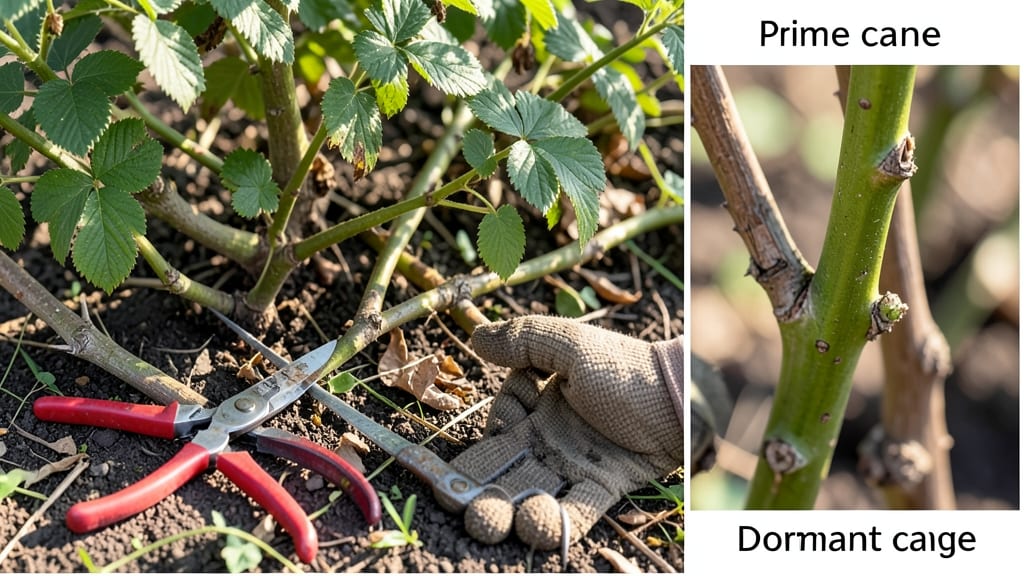
Pruning raspberry canes at the right time ensures healthier plants and bigger harvests—but timing it wrong can leave you with fewer berries or even no fruit at all.
Picture this: You’ve spent months nurturing your 🍇 bushes, only to prune them at the worst possible moment—just as new canes are forming or right before harvest. One misstep, and your labor could go to waste.
The good news? With the right timing, you can double your yield and keep your plants thriving for years.
Most gardeners prune raspberries in late winter or early spring, but whether you have summer-bearing or fall-bearing varieties makes all the difference. Summer-bearing types need their old canes removed right after harvest, while fall-bearing canes should wait until late winter—and I’ll break down exactly why.
In this guide, I’ll walk you through the best times to prune based on your climate, the tools you’ll need, and step-by-step instructions to avoid common mistakes. By the end, you’ll know exactly when to reach for those pruners—and when to hold off for the best results.
Best times to prune raspberry canes for maximum fruit production
Raspberry canes need precise timing for pruning to ensure a bountiful harvest. The wrong timing can stress your plants or even eliminate fruit production entirely.
Understanding the difference between summer-bearing (floricane) and fall-bearing (primocane) varieties is key to success. Both types require distinct pruning schedules to maximize yield and plant health.
For summer-bearing raspberries, the best time to prune is late winter or early spring, before new growth begins. This timing removes old canes that fruited last year and clears space for new canes to grow.
Meanwhile, fall-bearing raspberries need a different approach, with pruning done in late winter or early summer to encourage fruit production on both old and new canes.
| Variety Type | Pruning Window | Key Pruning Cues | What to Remove |
|---|---|---|---|
| Summer-Bearing (Floricane) | Late Winter/Early Spring | Dormant canes, before buds swell | Old fruited canes (brown, dead) |
| Fall-Bearing (Primocane) | Late Winter OR Early Summer | Dormant (late winter) OR after harvest (early summer) | Weak/thin canes (keep 6-8 strong) |
Your climate zone plays a huge role in pruning timing. In cold climates (Zones 3-5), wait until after the last frost date to prune summer-bearing varieties. The risk of late frosts damaging new growth is real, so patience is key.
In warmer climates (Zones 9-11), you might prune earlier in late winter or even early spring, as the threat of frost is minimal.
For fall-bearing raspberries, the early summer pruning window is critical. After harvesting in late summer or fall, prune again in early summer to remove any canes that fruited the previous year.
This encourages new primocanes to grow for the next harvest. Think of it as a two-pronged approach—one for old canes, one for new growth.
Never prune when your raspberries are actively fruiting. This stresses the plant and can reduce yield. Instead, focus on pruning during dormant periods or immediately after harvest. For summer-bearing varieties, this means pruning right after the harvest season ends, but before new canes start growing vigorously in spring.
Regional variations matter too. In Pacific Northwest climates, where winters are mild but wet, prune in late winter to avoid fungal diseases that thrive in damp conditions.
In Southern states, where winters are short, you might prune as early as January or February to give plants plenty of time to recover before the growing season.
One common mistake is pruning too late in spring. If you wait until April or May to prune summer-bearing varieties, you risk cutting off new growth before it can establish. Always aim to finish pruning at least 4-6 weeks before the typical last frost date in your area.
This gives your raspberries enough time to recover and produce strong new canes.
After pruning, give your raspberries a light fertilizer application to support new growth. Use a balanced 10-10-10 fertilizer and water deeply to help roots recover. Mulch around the base of the plant to retain moisture and protect roots from temperature swings.
This post-pruning care is just as important as the pruning itself for a successful harvest.
If you're unsure about your raspberry variety, look for label tags or consult a local nursery. Many garden centers sell mixed varieties, and knowing whether you have summer-bearing or fall-bearing raspberries will determine your entire pruning strategy.
When in doubt, observe your plants—fall-bearing varieties often produce berries on canes from the previous year, while summer-bearing types fruit on second-year canes.
Step-by-step raspberry pruning guide: what to cut and when
Pruning raspberry canes might seem intimidating, but it’s one of the easiest ways to boost your harvest. The key is knowing what to cut and when to prune—especially since raspberries have two main growth cycles.
Summer-bearing varieties fruit on second-year canes, while fall-bearing types produce on first-year canes. Let’s break it down so you can prune like a pro.
Start by gathering your tools: sharp pruning shears, gloves, and disinfectant to prevent disease spread. The best time to prune depends on your raspberry type, but the process itself is straightforward once you know the rules.
For example, always cut back to a bud or branch rather than leaving stubs, which can invite pests or rot.
When to Prune Raspberry Canes: Step-by-Step
- Late Winter/Early Spring (Before New Growth)
- Remove dead or diseased canes first—they’re easy to spot as they’re brown, hollow, or mushy.
- Cut old fruiting canes (summer-bearing varieties) at ground level to make room for new growth.
- Summer (After Harvest, for Fall-Bearing Varieties)
- Trim weak or spindly canes to encourage stronger growth.
- Leave healthy primocanes (first-year canes) to fruit next season.
- Fall (Minimal Pruning, if Needed)
- Only remove damaged canes or those blocking sunlight.
- Avoid heavy pruning—let the plant rest for winter.
One common mistake is pruning too late in spring, which delays new growth. Another is over-pruning—never remove more than 30% of the plant at once. If you’re unsure which canes to keep, remember: thicker canes usually produce more fruit, while thin, weak ones should go.
After pruning, mulch around the base to retain moisture and protect roots. Water deeply to help the plant recover, especially if you’ve cut back heavily. This is also a great time to fertilize lightly to support new growth—just avoid heavy feeding in fall or winter.
Pro tip: Label your canes if you’re new to raspberries. Use bright flags to mark fruiting canes (summer-bearing) or primocanes (fall-bearing) so you don’t accidentally prune the wrong ones. A little organization now saves headaches later!
With practice, pruning will feel second nature, and your raspberry patch will thrive. Happy pruning—and get ready for a bountiful harvest! 🍇✂️