
Pruning
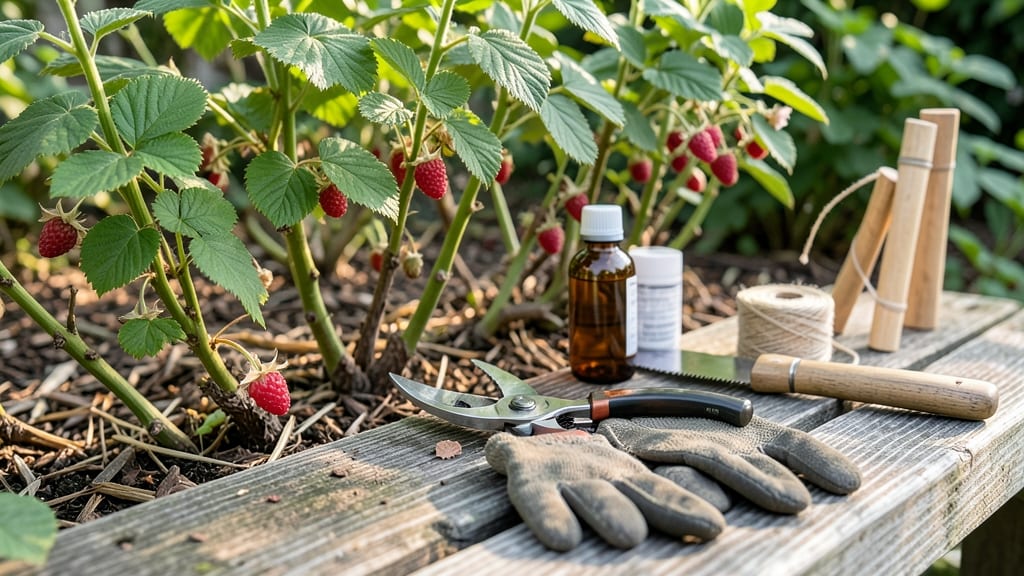
Summer pruning raspberries isn’t just about cleanup—it’s your secret to year-round harvests that make your neighbors jealous. 🌱 Last summer, I doubled my berry yield by following these simple steps after my first harvest, and the plants kept producing well into fall.
The key? Timing, sharp tools, and knowing which canes to keep (and which to cut). You’ll need clean pruners, a glove, and about 20 minutes to assess your patch. Look for canes that fruited this year—they’re the ones to remove at the base.
Everbearing varieties need a slightly different approach, but the principle stays the same: clear out the old to make room for new growth. The goal is to leave 5-7 healthy canes per plant, evenly spaced.
After pruning, your plants will reward you with vibrant new shoots within weeks, and those canes will bear fruit next season. The berries stay sweeter, the bushes stay compact, and you avoid the tangled mess that makes summer harvests frustrating.
Just avoid cutting into the center of the plant—airflow keeps diseases at bay. Works for both summer-bearing and everbearing varieties, and the method scales from small home patches to larger orchards. Here’s how to do it right the first time.
📚 In This Guide
- What you need
- Instructions
- Tips and common mistakes
- Wrapping up and next steps
What you need
- ● Pruning shears or loppers – Choose bypass pruners (sharp, clean blades) for precision cuts. Opt for 8- to 10-inch loppers if dealing with thicker canes.
- ● Garden gloves – A pair of durable, cut-resistant gloves (e.g., leather or heavy-duty synthetic) to protect your hands from thorns and debris.
- ○ Disinfectant (optional but recommended) – A 70% isopropyl alcohol or bleach solution (1 part bleach to 9 parts water) to sterilize tools between cuts and prevent disease spread.
- ● Garden twine or rubber bands – For tying down canes if they’re flopping or need support.
- ● Mulch (straw, wood chips, or pine needles) – 2-3 inches of organic mulch to retain moisture and suppress weeds post-pruning.
- ● Pruning saw – Only if dealing with very thick, woody canes (rare in summer pruning).
- ● Trash bags or bucket – For removing pruned canes and debris immediately to keep the area tidy.
Step-by-Step instructions for pruning raspberries in summer
Summer pruning transforms raspberry canes into powerhouses for next year's harvest—here's how to do it right.
✂️ Step 1: Identify and Remove Weak Canes
Start by examining your raspberry patch for canes that are thin, spindly, or showing signs of disease. These weak canes compete with strong ones for nutrients and won't produce quality fruit. I grab each cane near the base and give it a gentle tug—if it pulls out easily, it's a candidate for removal. Look for canes with fewer than 5-6 strong lateral buds along their length.
Use sharp pruning shears to cut these canes at ground level. Don't leave stubs—they invite disease and pests. I like to bundle the removed canes and compost them immediately, especially if they showed signs of rust or powdery mildew. This prevents spreading pathogens to next year's growth.
✂️ Step 2: Thin the Patch to Improve Airflow
Raspberries need good airflow to prevent fungal diseases. Aim to space remaining canes about 18-24 inches apart in the row. If your patch is too dense, select the strongest, most vigorous canes and remove the rest. I prioritize canes with thick, green stems and plenty of lateral buds—they'll produce the best next year.
Watch for canes growing at odd angles or crossing over others. These create shaded spots where moisture lingers and diseases thrive. Cut these canes back to the base. You'll see a noticeable difference in sunlight penetration after thinning—this is your signal you're doing it right.
🌿 Step 3: Prune Flowering Canes for Summer-Bearing Varieties
If you grow summer-bearing raspberries, you'll need to remove all canes that produced fruit this year. These canes are called "primocanes" and will die after fruiting. Cut them back to the ground immediately after harvest. I mark these with a small flag or note in my garden journal to avoid confusion with fall-bearing varieties.
For fall-bearing varieties, leave last year's fruited canes (floricanes) and remove this year's new growth (primocanes) at the base. These canes will produce fruit next summer. The key is to maintain a balance—never remove more than 30% of your canes in one season, or you'll reduce next year's harvest.
⏰ Step 4: Time Your Pruning for Maximum Recovery
Do most of your summer pruning right after harvest but before new growth starts in late summer. This gives your plants 4-6 weeks to recover before fall. I avoid heavy pruning when temperatures exceed 85°F—the stress makes plants more susceptible to heat damage.
After pruning, water deeply to help roots recover. You'll see new shoots emerging from the base within 2-3 weeks if conditions are right. This is your plant's way of telling you it's ready for next year's growth. Keep an eye out for any cankers or unusual growths—these could signal disease and need immediate attention.
Tips & tricks for perfect summer raspberry pruning
Summer pruning is your secret weapon for next year's raspberry bounty—here's how to do it right without sacrificing this year's crop.
Tool Selection: Invest in a good pair of bypass pruners for clean cuts—dull blades crush stems and invite disease. I keep a small bottle of rubbing alcohol nearby to disinfect my shears between cuts, especially when switching between diseased and healthy canes. This simple step prevents cross-contamination that could spread fungal spores throughout your patch.
Visual Cues for Healthy Canes: Look for canes with vibrant green stems and at least 5-6 strong lateral buds along their length. These buds are your future fruit buds—each one represents a potential raspberry cluster. In Step 1, when you're tugging on canes, healthy ones should resist slightly. If a cane pulls out with minimal resistance, it's not putting enough energy into next year's growth.
Seasonal Timing Strategy: The 4-6 week recovery window after pruning is crucial—this gives roots time to establish new growth before winter. I schedule my pruning right after harvest when temperatures stay below 85°F. If you must prune in hotter weather, do it in early morning or late evening when temperatures are cooler. The plants will thank you with vigorous new shoots appearing within those 2-3 weeks mentioned in Step 4.
Disease Prevention: Never compost diseased canes with healthy yard waste. Instead, burn them or dispose of them in sealed plastic bags. I keep a small trash bag handy while pruning to immediately isolate any canes showing signs of rust or powdery mildew. This containment prevents spores from spreading to your compost pile where they could survive and reinfect next year's plants.
Pro Tips for Prune Raspberries In Summer
- Summer pruning is your secret weapon for next year's raspberry bounty—here's how to do it right without sacrificing this year's crop.
- Tool Selection: Invest in a good pair of bypass pruners for clean cuts—dull blades crush stems and invite disease.
- Visual Cues for Healthy Canes: Look for canes with vibrant green stems and at least 5-6 strong lateral buds along their length.
Frequently asked questions
Got questions about summer raspberry pruning?
You’re not alone! Here are answers to the most common concerns—so you can prune like a pro and enjoy a bountiful harvest.
Can I prune raspberries in summer without harming the plant?
Yes! Summer pruning is safe if done correctly. Focus on removing floricane canes (last year’s fruiting stems) after harvest and thinning crowded primocanes (this year’s growth) to improve airflow. Avoid heavy pruning—just light trimming to encourage new growth and reduce disease risk.
What’s the best time to prune raspberries in summer?
Timing matters! For summer-bearing varieties, prune immediately after harvest (late summer). For fall-bearing (everbearing) types, prune in early summer (June) to remove old canes and shape the plant. Never prune in fall—it disrupts winter hardiness.
Do I need special tools to prune raspberries in summer?
Not necessarily! Basic tools like clean, sharp pruners or loppers work well. For large patches, hedge shears can speed up the process. Disinfect tools with rubbing alcohol between cuts to prevent spreading disease. Gloves are handy for thorny varieties like Rubus idaeus.
What if it’s too hot or dry when I prune?
Heat and drought stress can weaken plants. Prune early in the morning or late afternoon to avoid shocking the berries. Water deeply before and after pruning to help recovery. If your area is extremely hot (above 90°F), wait until evening or postpone until temperatures drop.
My raspberries look sad after pruning—did I do it wrong?
Don’t panic! Mild wilting is normal, but over-pruning (removing >30% of foliage) can stress plants. If leaves yellow (chlorosis) or canes die back, you may have cut too aggressively. Solution: Reduce future pruning, fertilize with compost, and ensure 6+ hours of sunlight daily.
Wrapping up and next steps
Pruning raspberries in summer isn’t just about tidying up—it’s your secret weapon for bigger, healthier harvests next season! By removing spent canes, thinning crowded growth, and encouraging airflow, you’re setting your plants up for year-round productivity and fewer pests. 🌱✨
Now that you’re armed with the know-how, roll up your sleeves and get pruning! Start with just one section of your patch to build confidence, then expand as you go.
Before you know it, you’ll be reaping the rewards of your hard work—juicy, plump berries that’ll make your neighbors jealous. Happy growing!