
Pruning
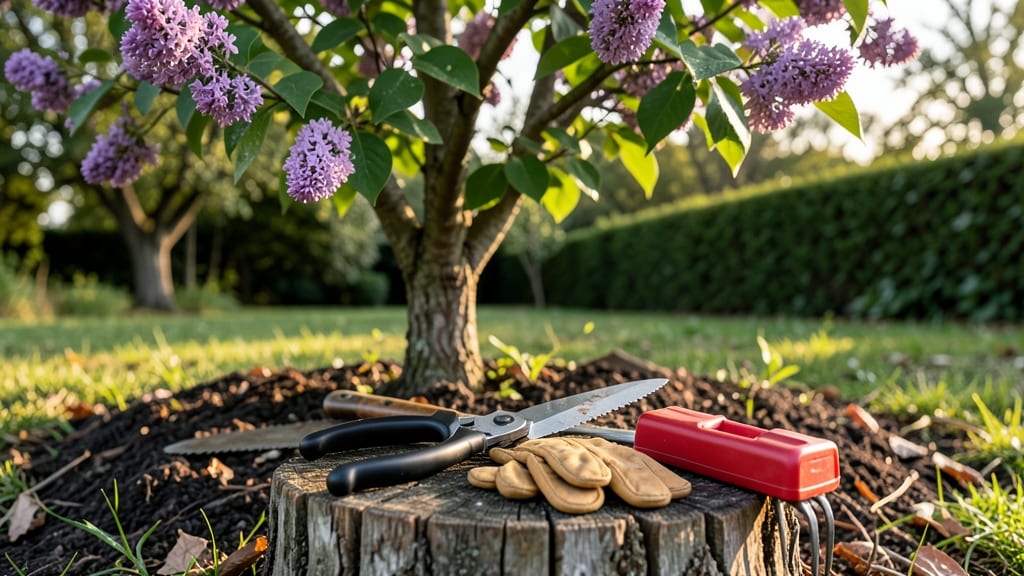
Pruning lilac trees in early spring is the best time to keep them blooming beautifully 🌸 for years to come.
If you’ve ever watched your lilacs produce fewer flowers—or worse, none at all—after pruning, you’re not alone. The timing of this task is everything, and getting it wrong can mean missed blooms and weaker growth.
Lilacs bloom on old wood, meaning their flowers form on branches that grew the previous season. Pruning too late in winter or too early in spring can cut off next year’s buds before they’ve had a chance to develop.
In this guide, I’ll walk you through the exact window for pruning—when to start, what to cut, and how to avoid common mistakes—so your lilac tree stays healthy and vibrant.
Why early spring is the optimal time to prune lilac trees
Lilacs are one of the most beloved spring shrubs, but their blooming habits make timing pruning critical. Unlike many plants that bloom on new wood, lilacs produce flowers on last year’s growth.
This means cutting back too early or at the wrong time can remove next year’s flower buds before they even form. The ideal pruning window is early spring—right after the last frost but before buds swell into bloom.
Pruning lilacs in early spring aligns with their natural growth cycle. When the plant emerges from dormancy, it begins forming new buds that will develop into next year’s flowers. If you prune too late, you risk cutting off these flower buds before they mature.
Conversely, pruning too early—while the plant is still dormant—can stress the shrub and leave it vulnerable to disease and pests.
Here’s the science behind why early spring works best: Lilacs store energy in their roots during winter. When temperatures rise, they redirect this energy to new growth and flower buds.
Pruning in early spring removes woody, overgrown branches while leaving the delicate new growth intact. This encourages a fuller, healthier shrub with more blooms the following year.
One of the biggest mistakes gardeners make is pruning lilacs in late winter or fall. Late winter cuts expose fresh growth to freezing temperatures, while fall pruning can stimulate late-season growth that won’t harden off before winter.
Both scenarios weaken the plant and reduce flowering potential. Even pruning after the lilacs bloom—though it keeps the shrub tidy—can cut off next year’s flower buds if done too aggressively.
To determine the perfect pruning window, look for these visual cues: buds should be swollen but not yet open. This typically happens in March or early April, depending on your USDA hardiness zone.
In warmer climates (zones 7-9), lilacs may bloom earlier, so prune as soon as you see buds forming. In colder zones (3-6), wait until after the last frost date to avoid damaging new growth.
If you’re unsure whether your lilac has finished blooming, wait until after the flowers fade but before new buds form. This is your last chance to prune without sacrificing next year’s blooms.
However, early spring pruning is still preferred because it gives the plant the entire growing season to recover and develop strong new growth.
Another key reason early spring is ideal is that it allows you to shape the shrub while it’s still dormant. You can easily identify dead, diseased, or crossing branches without worrying about disturbing new growth.
This makes the pruning process more precise and less stressful for the plant. Plus, a well-pruned lilac in early spring will look neater and healthier as it enters the blooming season.
For gardeners in warmer climates, timing can be trickier. In zones 7-9, lilacs may bloom as early as February. In these areas, prune as soon as you see buds forming—usually in late winter or very early spring.
The goal is always the same: remove old wood before new growth begins but avoid cutting off next year’s flower buds.
Finally, early spring pruning sets the stage for a vibrant blooming season. By removing overcrowded or weak branches, you improve air circulation, which reduces the risk of fungal diseases like powdery mildew.
A well-pruned lilac will also produce larger, more abundant blooms because it can focus its energy on fewer, stronger stems.
Ready to prune? Grab your sharp pruners and get started in early spring—your lilac will thank you with a show-stopping display of fragrant flowers next year! 🌸✂️
Step-by-step guide to pruning lilacs in early spring: what to cut and what to avoid
Pruning lilacs in early spring is the golden window to encourage vibrant blooms while maintaining their natural shape. The key is to act after buds swell but before flowers appear, typically between late March and early April in most USDA zones.
This timing ensures you don’t remove next year’s blooms, which form on old wood during the previous season.
Start by gathering your tools: sharp pruning shears, disinfectant (to prevent disease spread), and gloves (lilac leaves can irritate skin). Work on a dry, sunny day to minimize stress on the plant.
If your lilac is mature, expect to remove about one-third of its oldest stems to promote airflow and new growth.
- Wait until buds swell (they’ll look like small green pebbles along the stems). This usually happens in late March or early April.
- Avoid pruning after flowers appear—this removes next year’s blooms since lilacs flower on old wood.
- In warmer climates (zones 8+), prune 2-3 weeks later to align with local bud break.
- Cut out dead or diseased branches first—look for brown, brittle wood or signs of fungus.
- Eliminate crossing or rubbing branches to prevent wounds and improve airflow.
- Remove overcrowded stems at the base to reduce competition for nutrients.
- Thin out older stems (those thicker than a pencil) to encourage new, younger growth.
- Use the third-bud-out method: Cut just above a healthy outward-facing bud to maintain an open center.
- Avoid topping or shearing—this creates dense, weak growth and fewer blooms.
- Dispose of pruned debris immediately to prevent disease from spreading.
- Apply a 2-inch layer of mulch around the base to retain moisture and suppress weeds.
- Water deeply after pruning to help the plant recover and encourage root growth.
One of the biggest mistakes gardeners make is pruning too late—after buds open into flowers. This removes the current year’s blooms and next year’s buds, leaving your lilac bare.
Another pitfall is over-pruning—never remove more than one-third of the plant in a single session, or you’ll stress the lilac and reduce flowering.
After pruning, monitor your lilac for new shoots emerging from the base. These indicate successful rejuvenation. Avoid fertilizing immediately post-prune—wait until new growth appears (about 4-6 weeks later) to feed with a balanced 10-10-10 fertilizer. This timing gives the plant energy to focus on recovery before supporting new blooms.
With the right timing and technique, your lilac will reward you with lush, fragrant blooms for years to come. The key is patience—rushing the process or skipping steps can turn a healthy shrub into a leggy, sparse shadow of its former self. 🌸